Finding poses that work for your body...
POSEAURA | Dress Better. Shoot Smarter. Feel Confident Every Time.
Finding poses that work for your body...
POSEAURA | Dress Better. Shoot Smarter. Feel Confident Every Time.
Ceremony, reception, sangeet & mehendi
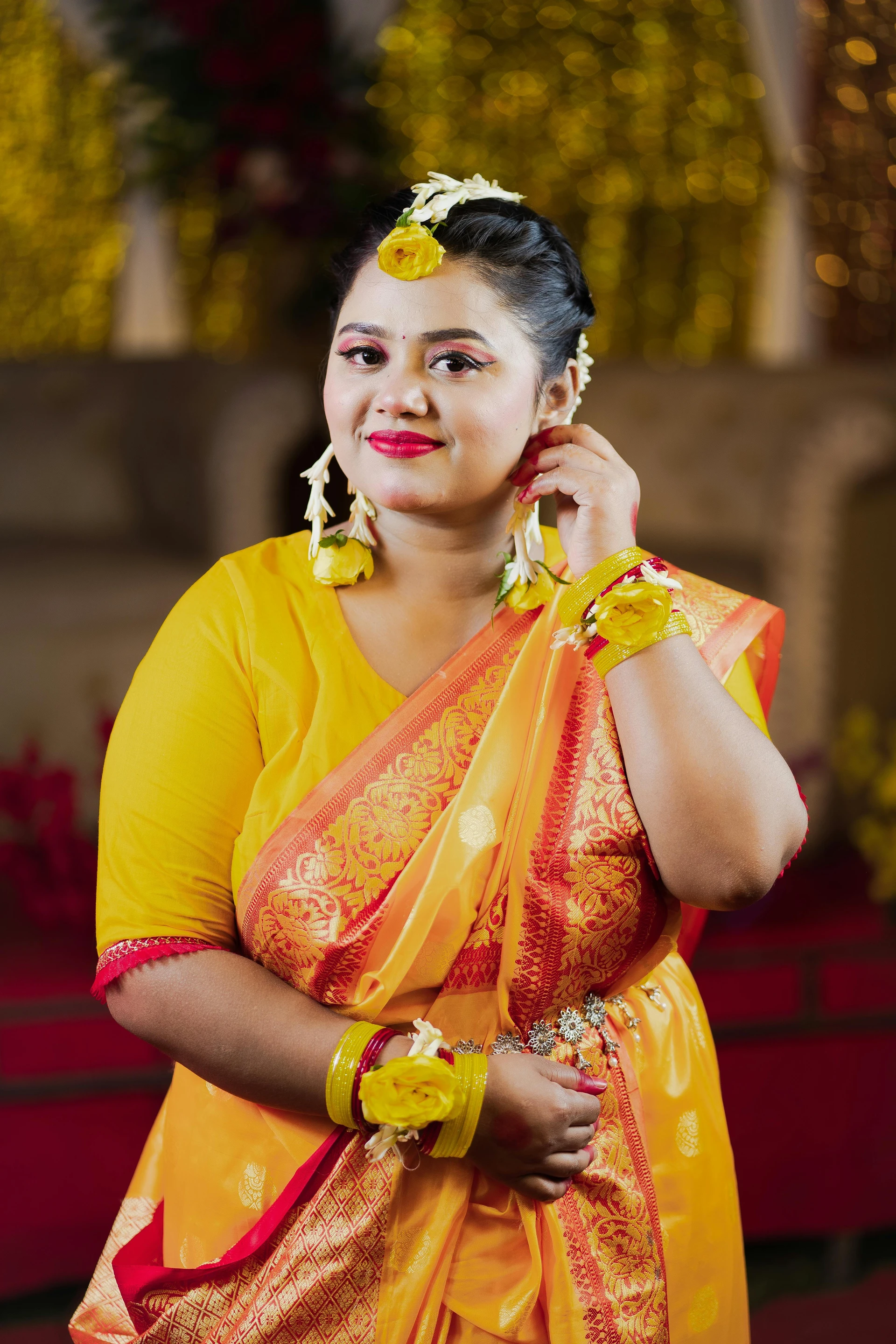
Indian weddings have four to six distinct events, each with a different dress code. A lehenga or silk saree for the ceremony, lighter fabrics and brighter colours for the sangeet, and more relaxed ethnic wear for mehendi. The mistake most people make is wearing the same weight of outfit to all events.
Avoid: White (mourning connotation) and red (reserved for the bride). Avoid heavily embellished outfits that could compete with the bridal party.
View All Wedding Looks →Diwali, Eid, Navratri, Durga Puja & Holi
Festival dressing is occasion-specific in a way that most Indian dressing isn't — each festival has its own traditional colour palette and fabric register. Getting this right signals cultural fluency, not just good fashion sense.
Avoid: For Holi: wear white (it's designed to be stained) and protect fabric from permanent colour damage. Never wear good clothes to Holi.
View All Festival Looks →Corporate, creative, and business casual
Indian office dressing has a wide range — from strict formal (banks, law firms, government) to creative casual (startups, media). The common thread: fabrics that maintain structure through a full day, minimal embellishment that doesn't catch on things, and muted or professional colour palettes.
Avoid: Sheer fabrics without lining, very short hemlines, heavy evening embellishment, or anything that requires frequent adjustment during the day.
View All Office Looks →Elegant but approachable evening outfits
Date night dressing is about being elevated but not overdressed. The goal is looking intentional and polished without the formality of wedding wear. Fabrics with a subtle sheen, fitted silhouettes, and one statement accessory are the framework.
Avoid: Full bridal-weight lehengas or very heavy embellishment — date night should feel approachable, not like you're dressed for someone else's wedding.
View All Date Night Looks →Weekends, brunches, errands & everyday outings
Casual Indian dressing is where most women under-invest. A well-chosen cotton kurta or relaxed co-ord is more versatile, more comfortable, and more culturally coherent than most casual Western imports for Indian climate and context.
Avoid: Overly casual fabrics (jersey, t-shirt cotton) in traditional silhouettes — the contrast between fabric and cut reads as an error rather than a style choice.
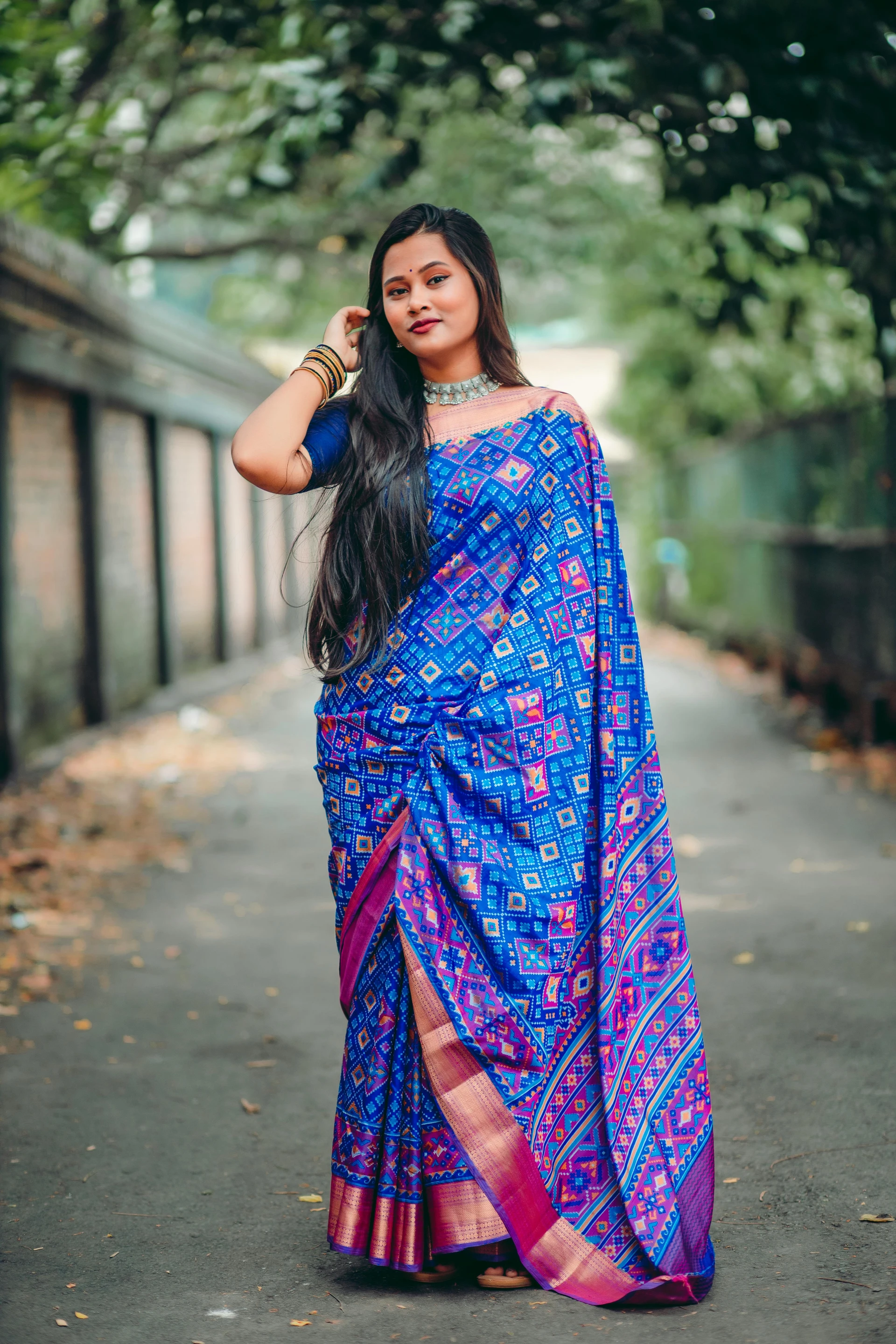
View All Casual Looks →Most Indian wedding invitations specify "ethnic" or "cocktail". When unspecified, ethnic is always safe. Avoid white and red. Heavy embellishment in jewel tones — emerald, cobalt, fuchsia, burgundy — is appropriate for most ceremonies.
Formal kurta-trouser sets in muted colours (navy, grey, olive, white), cotton or linen fabrics, and minimal jewellery. Sarees are always appropriate and signal professionalism.
Yes — a casual cotton or linen saree with a simple blouse and flat footwear reads as elegant casual. Avoid heavy silk sarees for casual settings; the fabric weight creates a formal read regardless of styling.
A fitted kurta with churidar, a silk or satin co-ord set, or an Indo-Western fusion dress. Avoid very heavy bridal-style embellishment — date night dressing should feel elegant but approachable.
Diwali: warm tones (gold, rust, deep red, mustard) in silk or brocade. Eid: whites, pastels, and jewel tones in chiffon or georgette. Both occasions allow heavier embellishment than everyday wear.
Hourglass, pear, apple, petite, plus-size — outfit formulas for every frame.
Foundation matching, bridal glam, and glass-skin for Indian skin tones.
Instagram, studio, and portrait pose guides for every body type.
Curated Indian and Western looks with body type and occasion notes.