Finding poses that work for your body...
POSEAURA | Dress Better. Shoot Smarter. Feel Confident Every Time.
Finding poses that work for your body...
POSEAURA | Dress Better. Shoot Smarter. Feel Confident Every Time.
Home / Body Type / Plus / Curvy
💃 83 looks · Balanced proportion
Every look here is chosen for proportion — nothing generic, nothing that hides your shape.
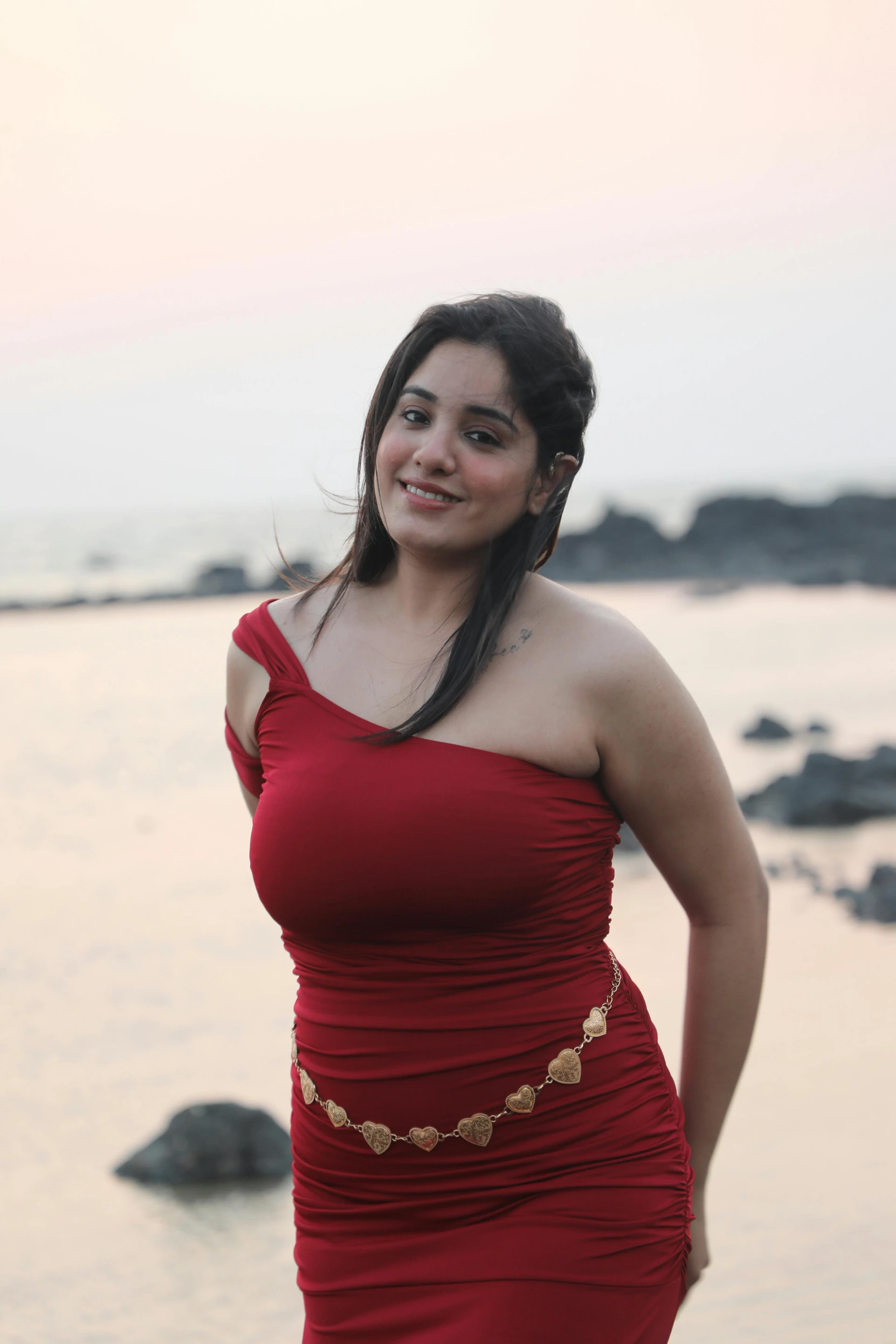 Best fit
This silhouette is purpose-built for curves. The ruching channels move with the body, the one-shoulder neckline creates a diagonal eye-path, and the chain belt at natural waist defines the narrowest torso point. Wear your size or one size down — do not size up.
View tutorial→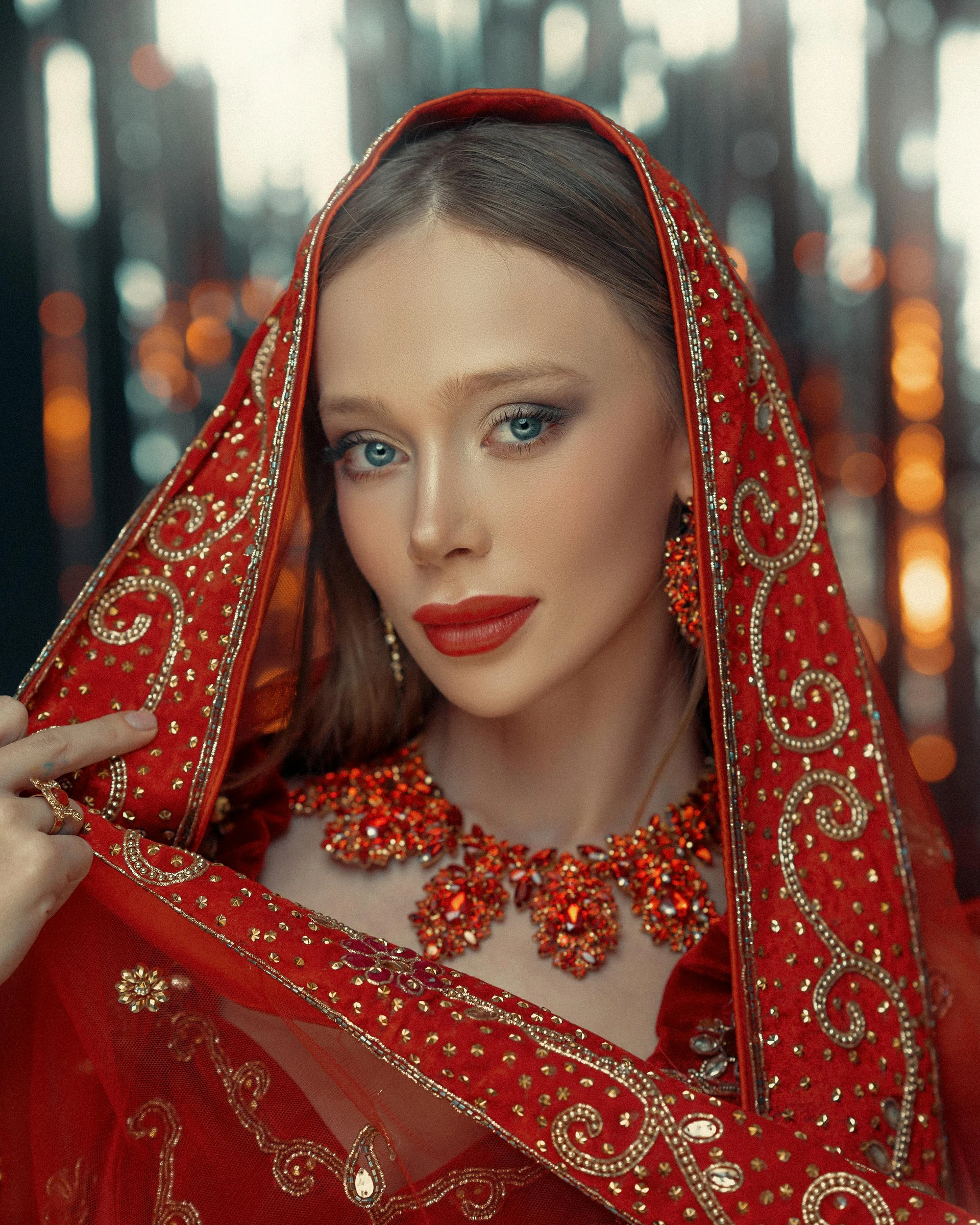 Best fit
No adjustments needed. This look is entirely above the collarbone. Heavier contouring at the jaw gives a slight slimming effect in frame if desired.
View tutorial→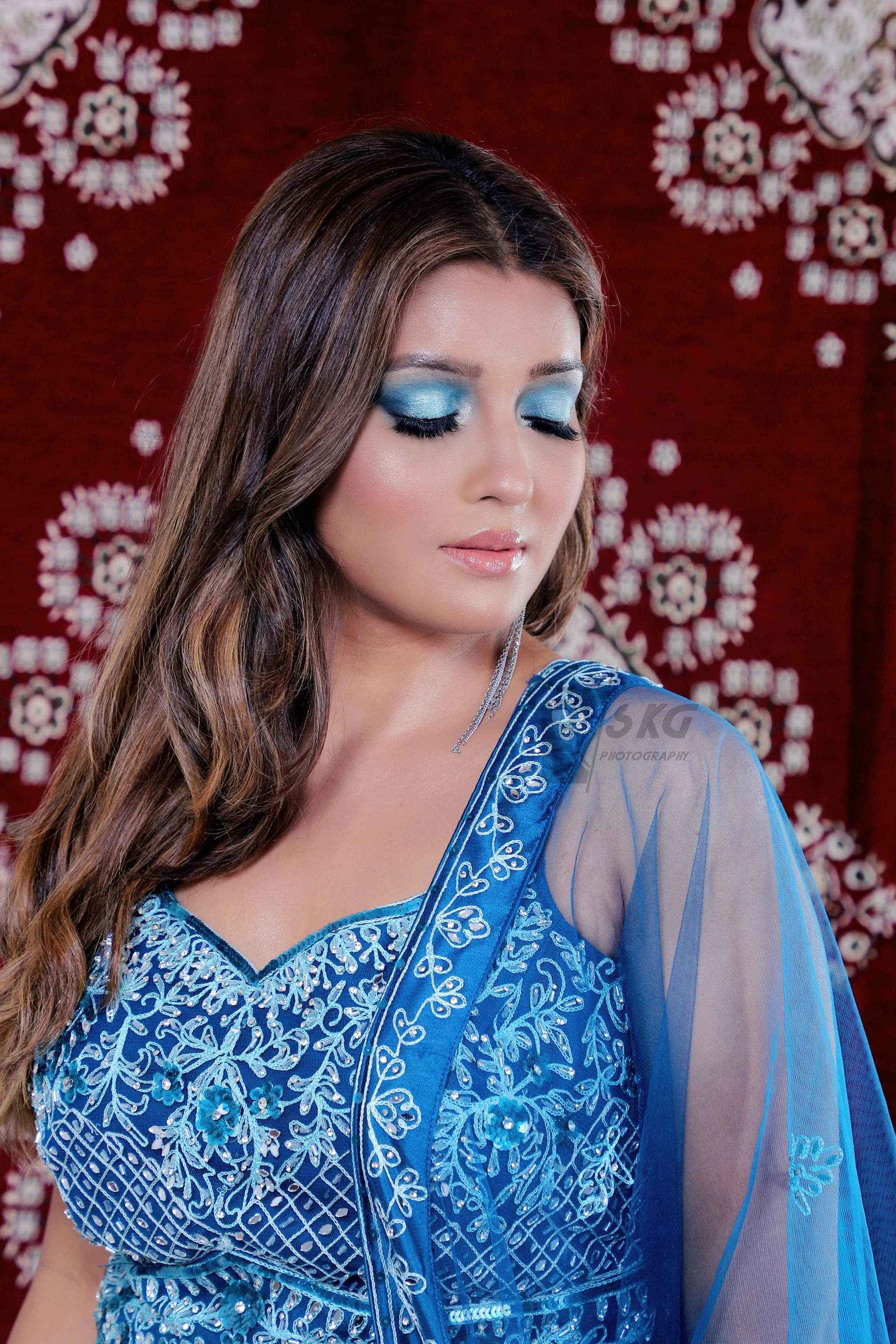 Best fit
The sweetheart neckline is your biggest asset here — it frames the bust and draws the eye up. Use a lightweight georgette dupatta to avoid adding bulk.
View tutorial→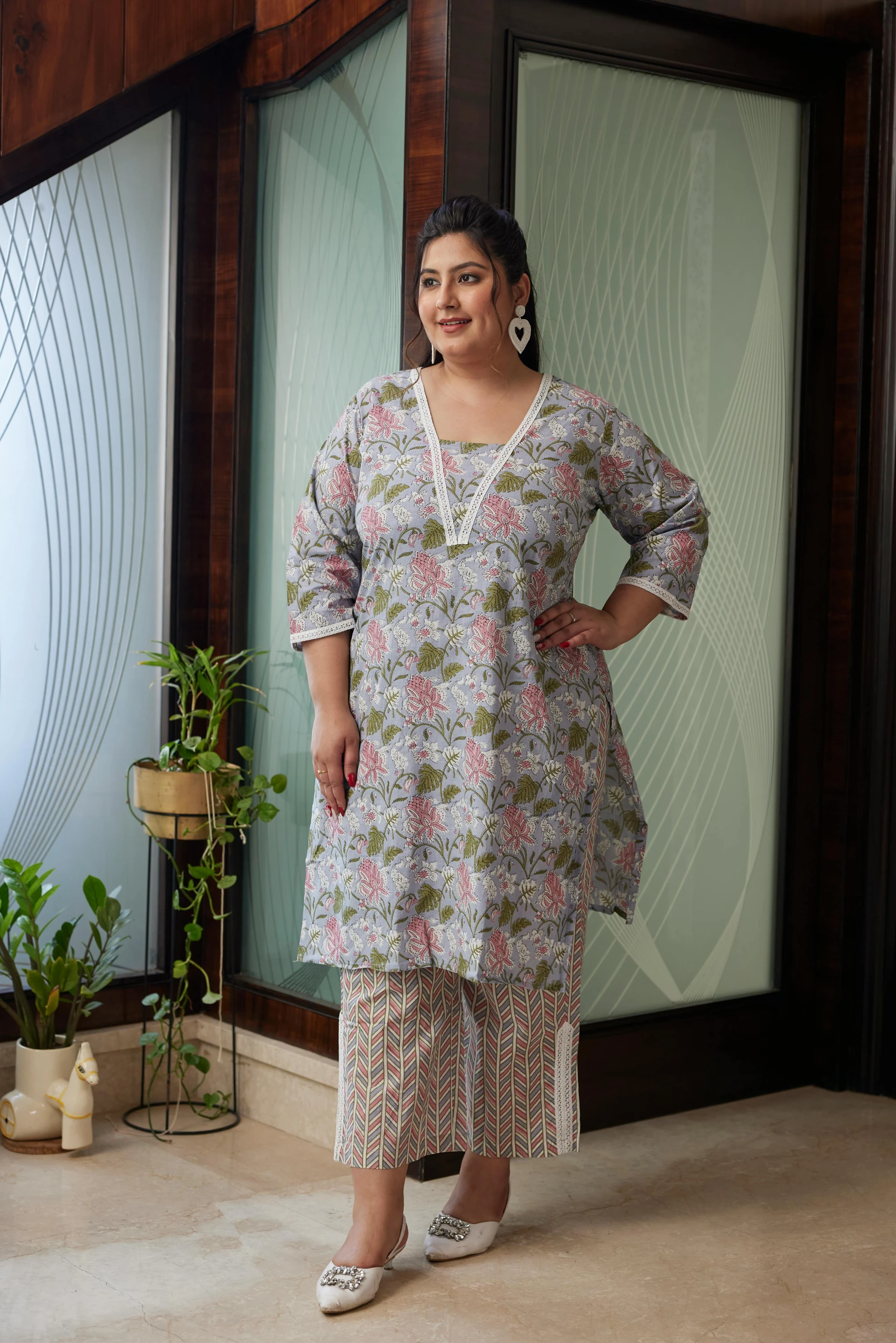 Best fit
Wear exactly as shown — don't try to belt or tuck it. Let the A-line hang freely. The V-neck with lace trim draws the eye upward toward the face.
View tutorial→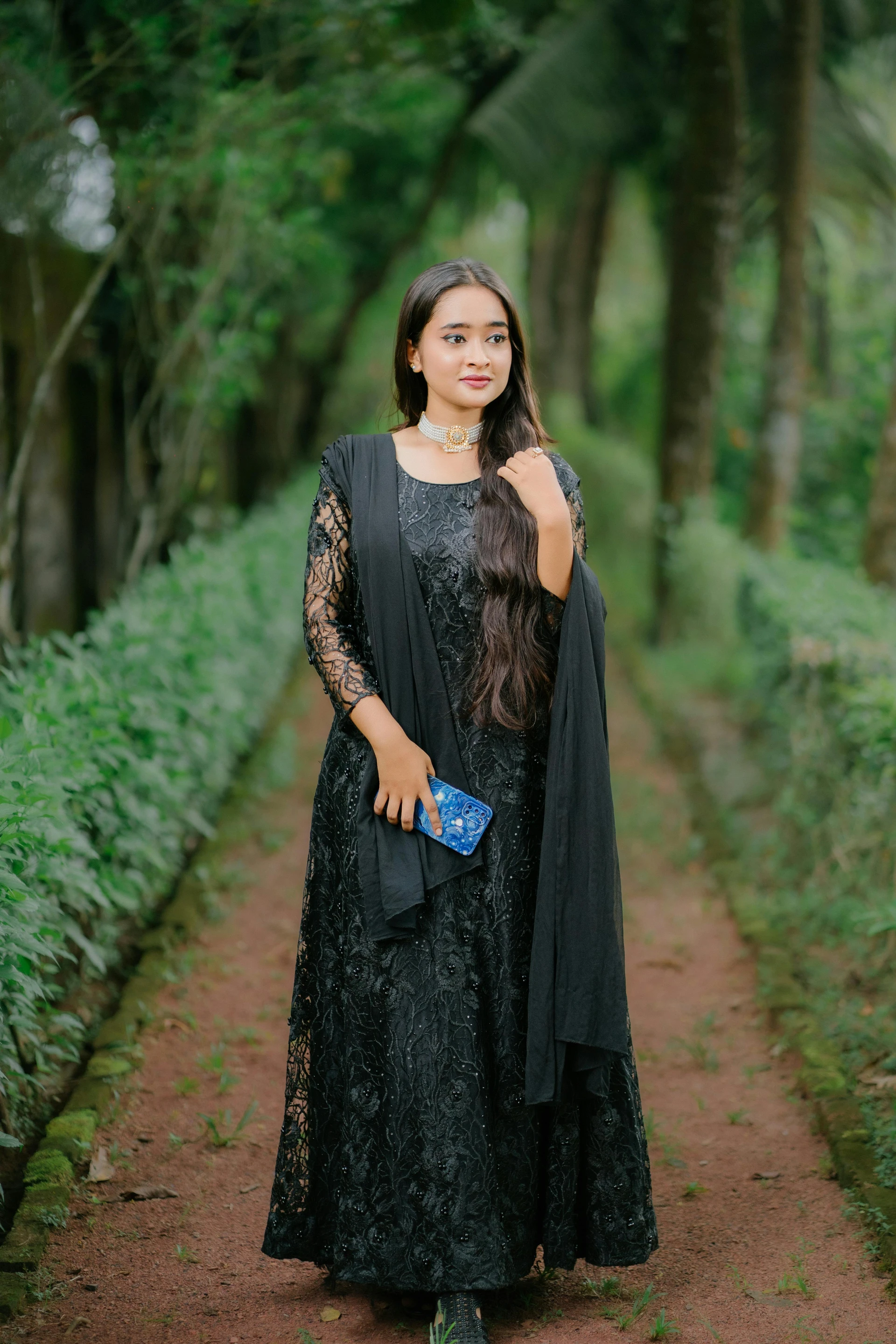 Best fit
The anarkali silhouette was designed for this frame -- the kali flare begins at the natural waist and distributes all volume downward, away from the hips. Size to the bust and ask a tailor to take in the waist seam if needed (Rs200-400 alteration).
View tutorial→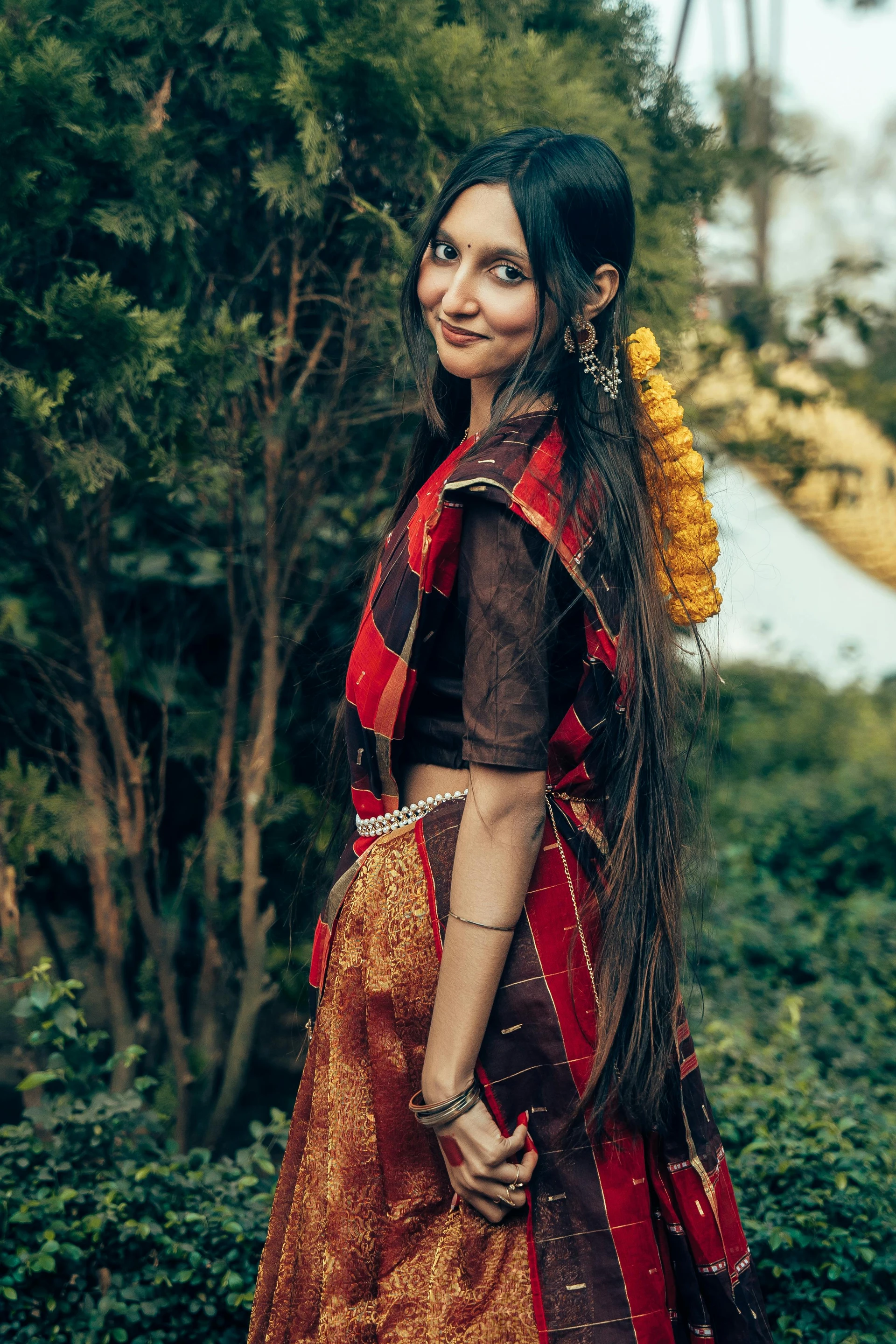 Best fit
Use a structured brocade lehenga (avoids cling). Wrap the saree front panel diagonally to emphasise a vertical axis.
View tutorial→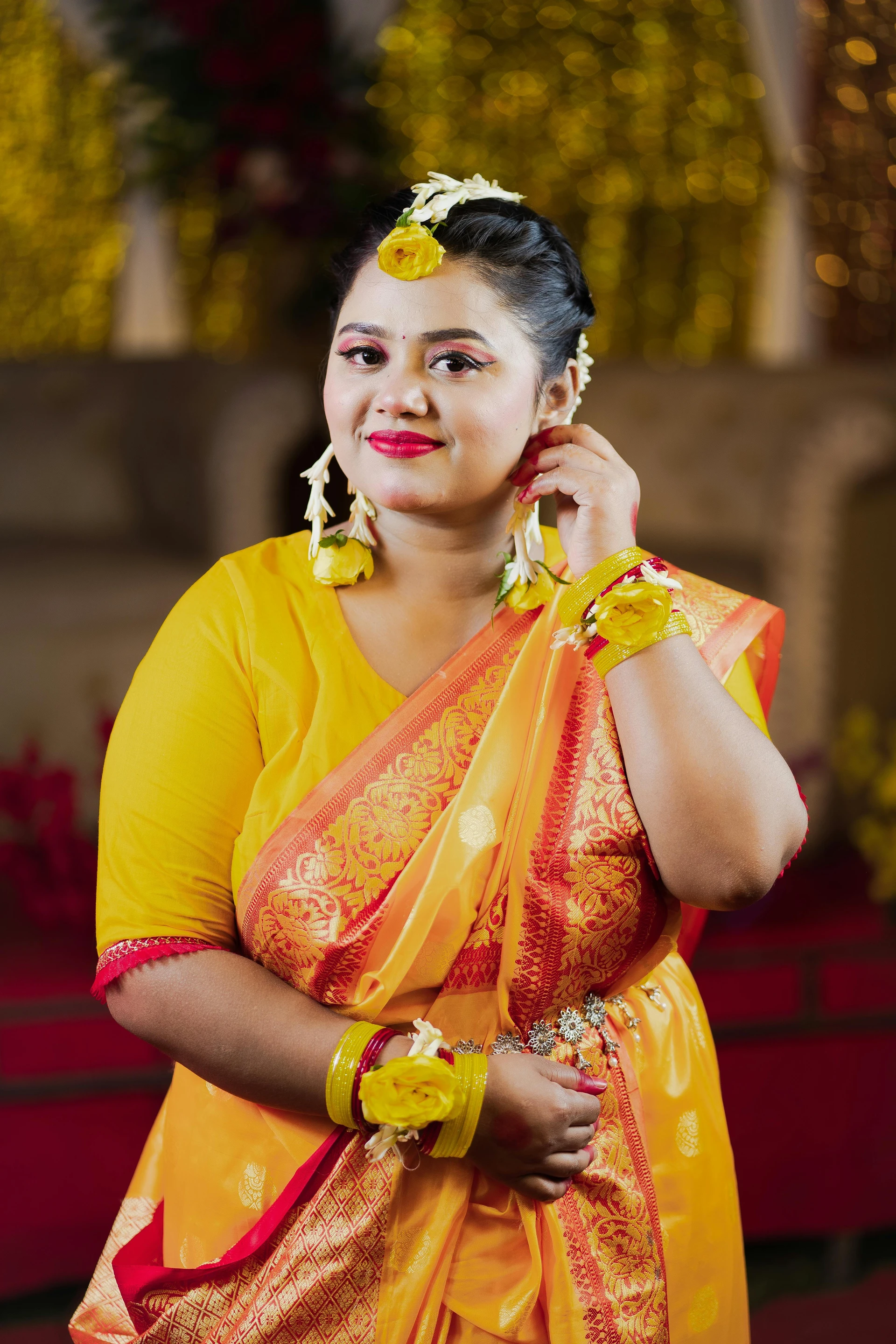 Best fit
Drape pallu diagonally. Use a shapewear petticoat to smooth midriff. Cinch with kamarbandh at natural waist.
View tutorial→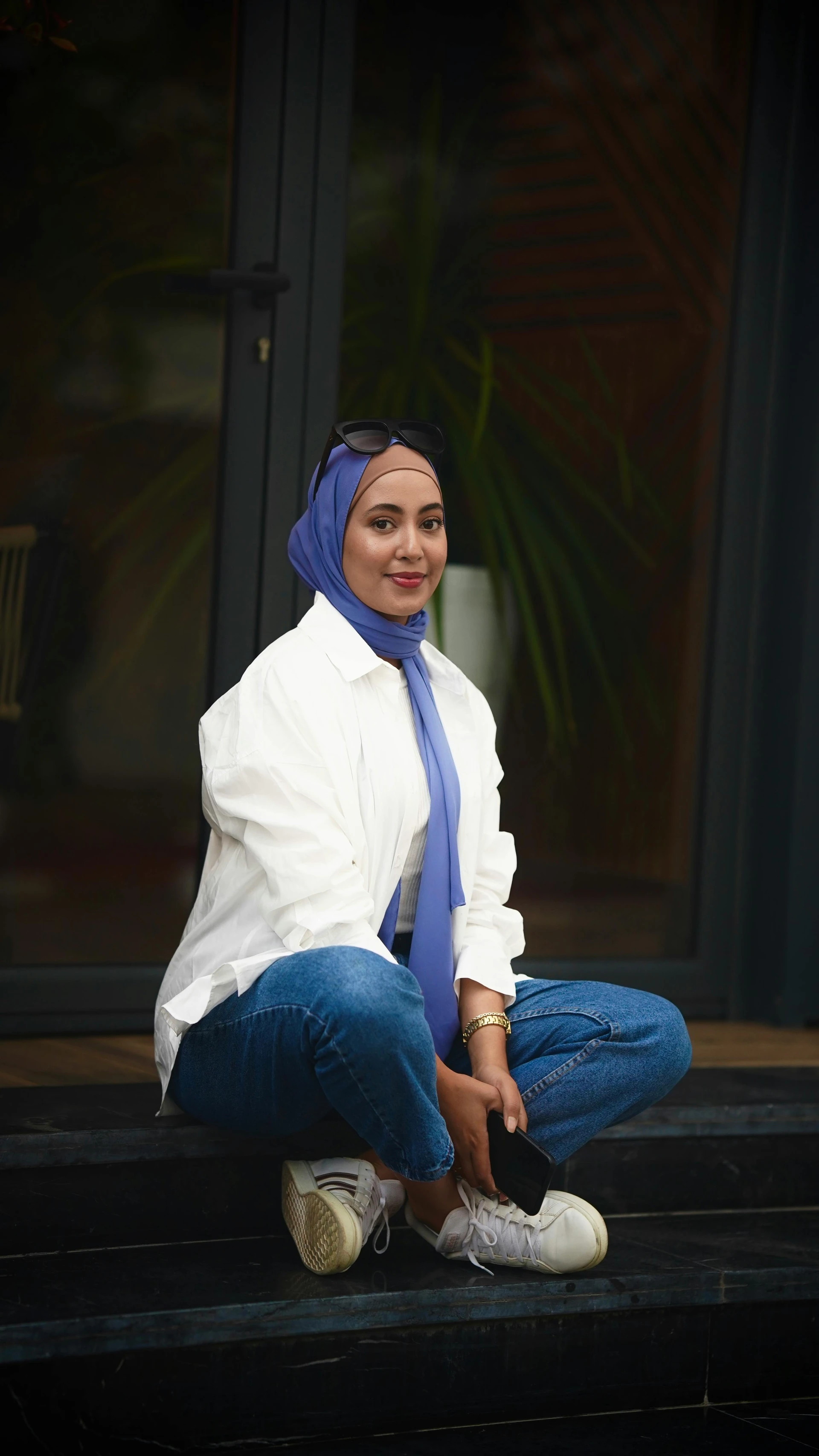 Best fit
Choose a slightly longer shirt that skims to mid-hip. Pair with straight-leg or wide-leg jeans — avoid skinny denim in this combination.
View tutorial→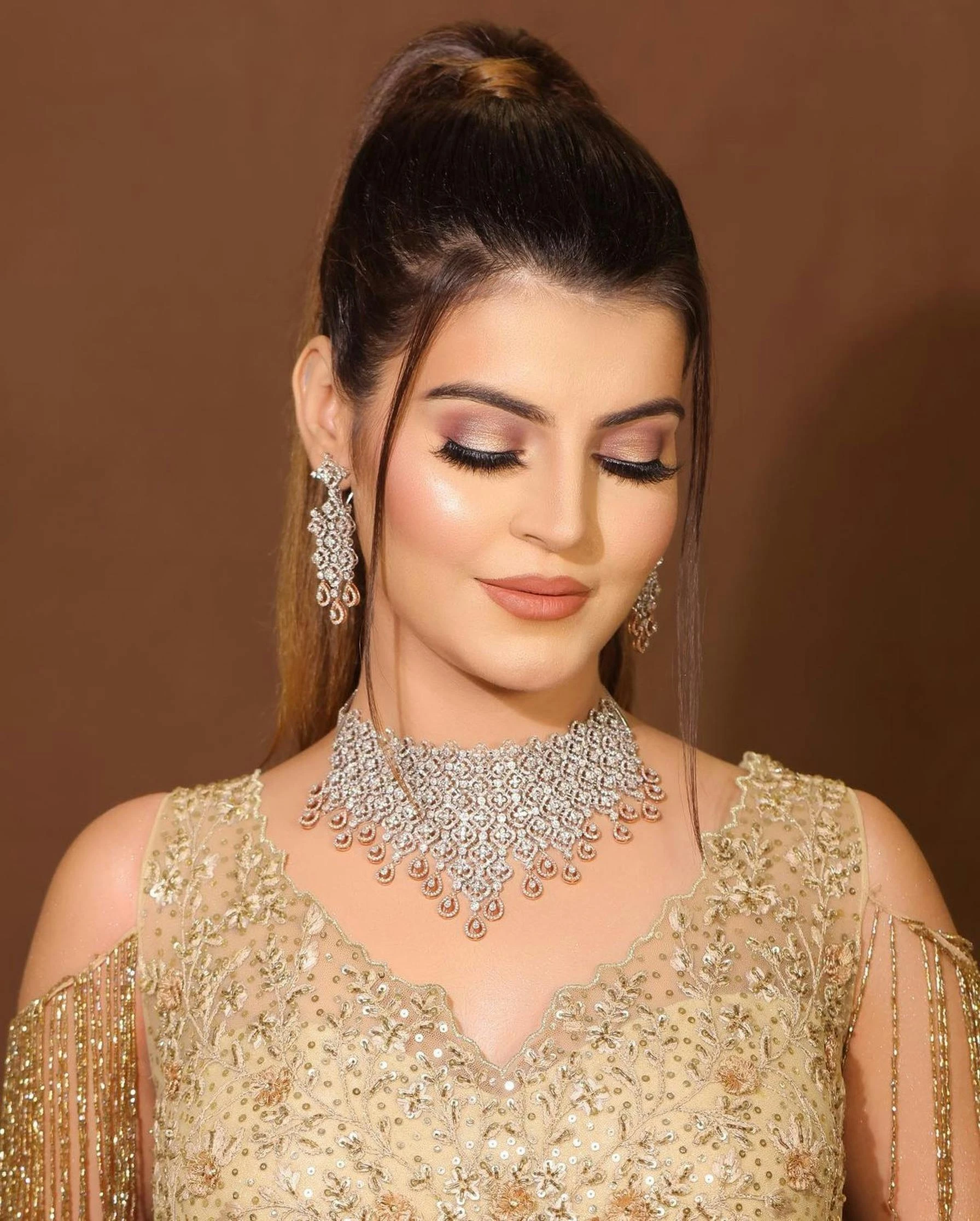 Best fit
Makeup is body-neutral; choose a lehenga with a structured A-line skirt that flows from the hip rather than clinging. Contour the jaw lightly to balance the choker.
View tutorial→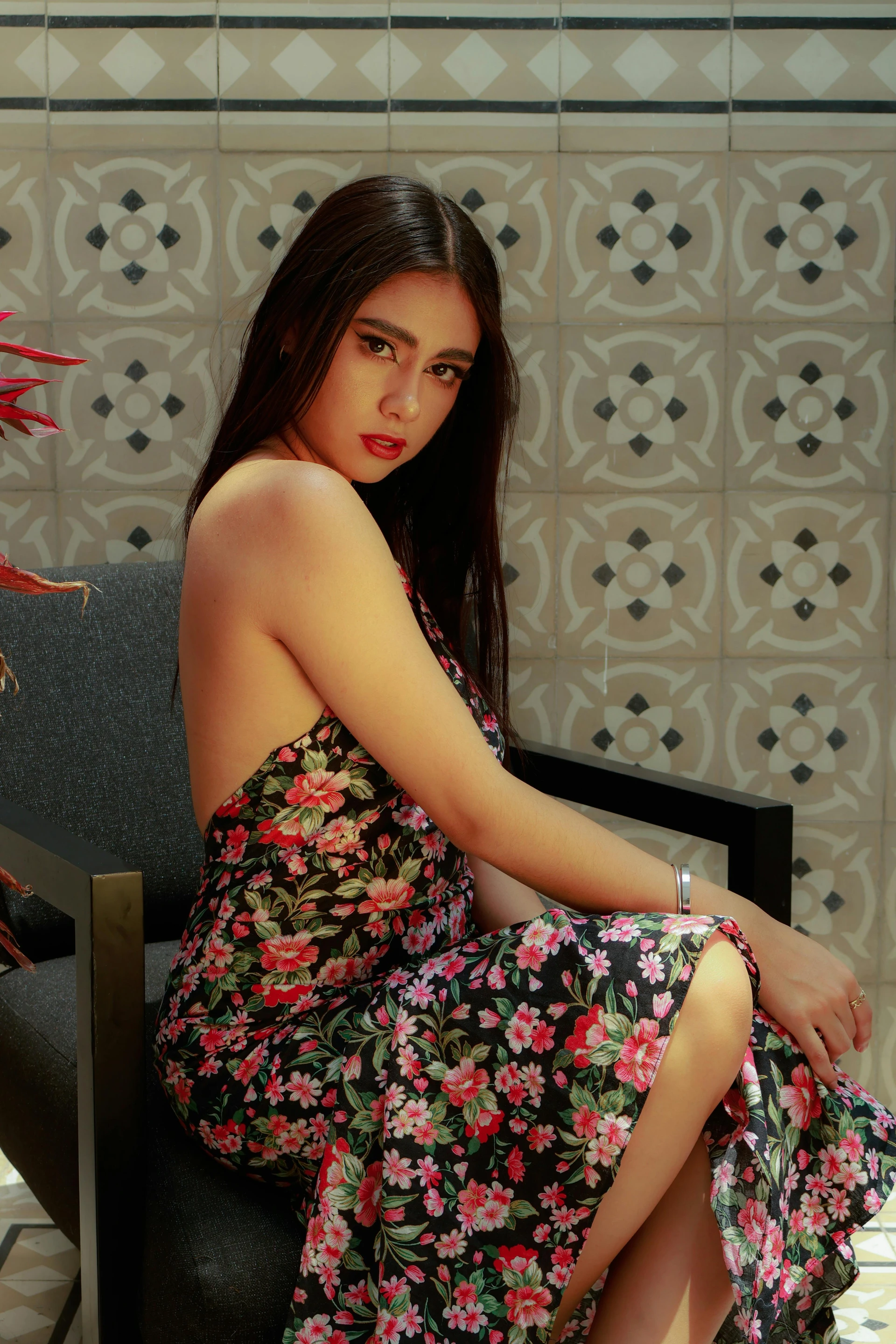 With changes
Size up one for the bust, then take in the waist seam. Choose a structured woven fabric version only — jersey stretches the print horizontally across the hip and distorts the floral pattern. The halter tie must be tight enough to keep the bodice from falling forward.
View tutorial→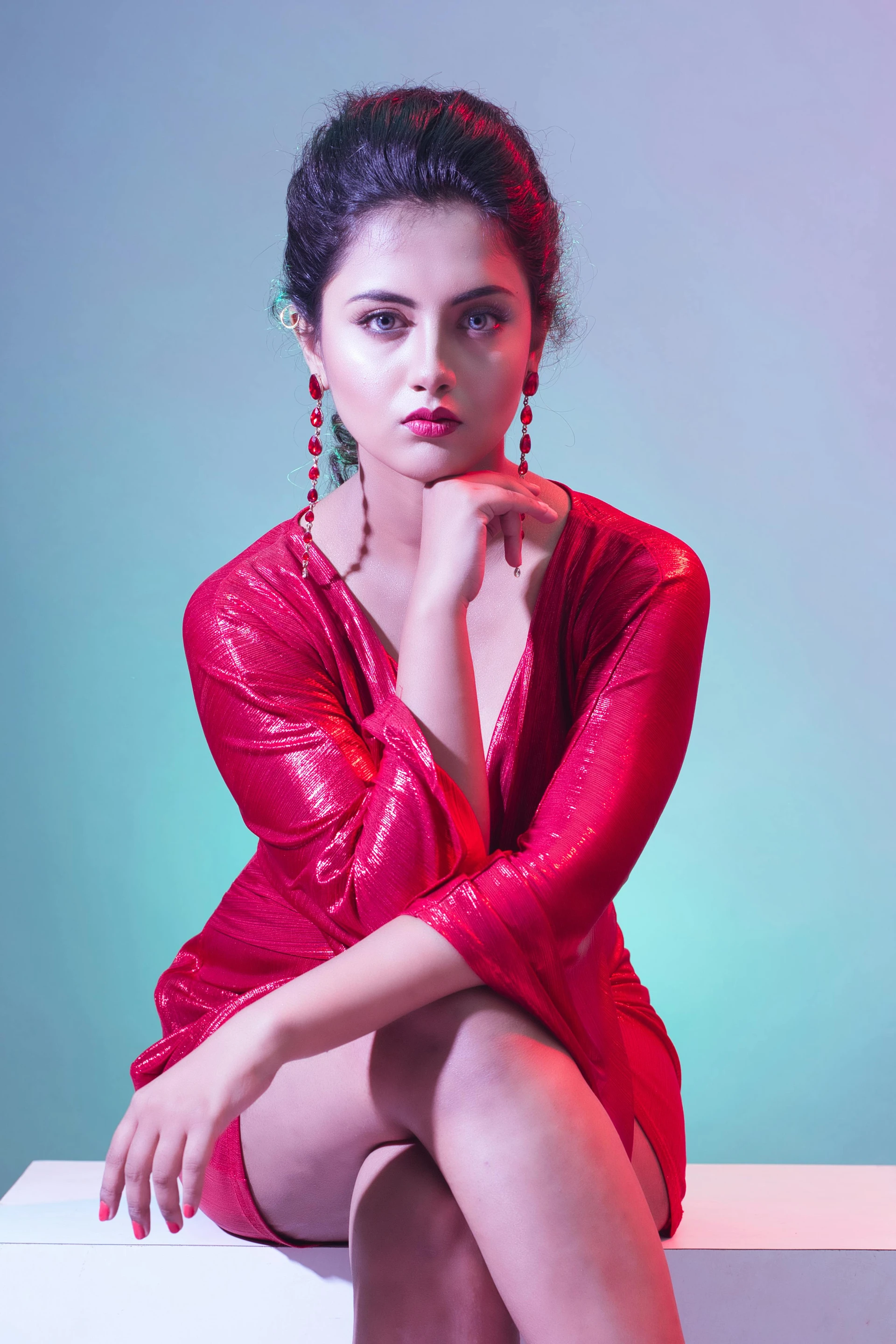 With changes
Have a tailor check the wrap sits flat at the bust without pulling — this fabric has almost no stretch, so off-the-rack sizing assumes a narrower bust-to-waist ratio. Size up rather than down if it gapes.
View tutorial→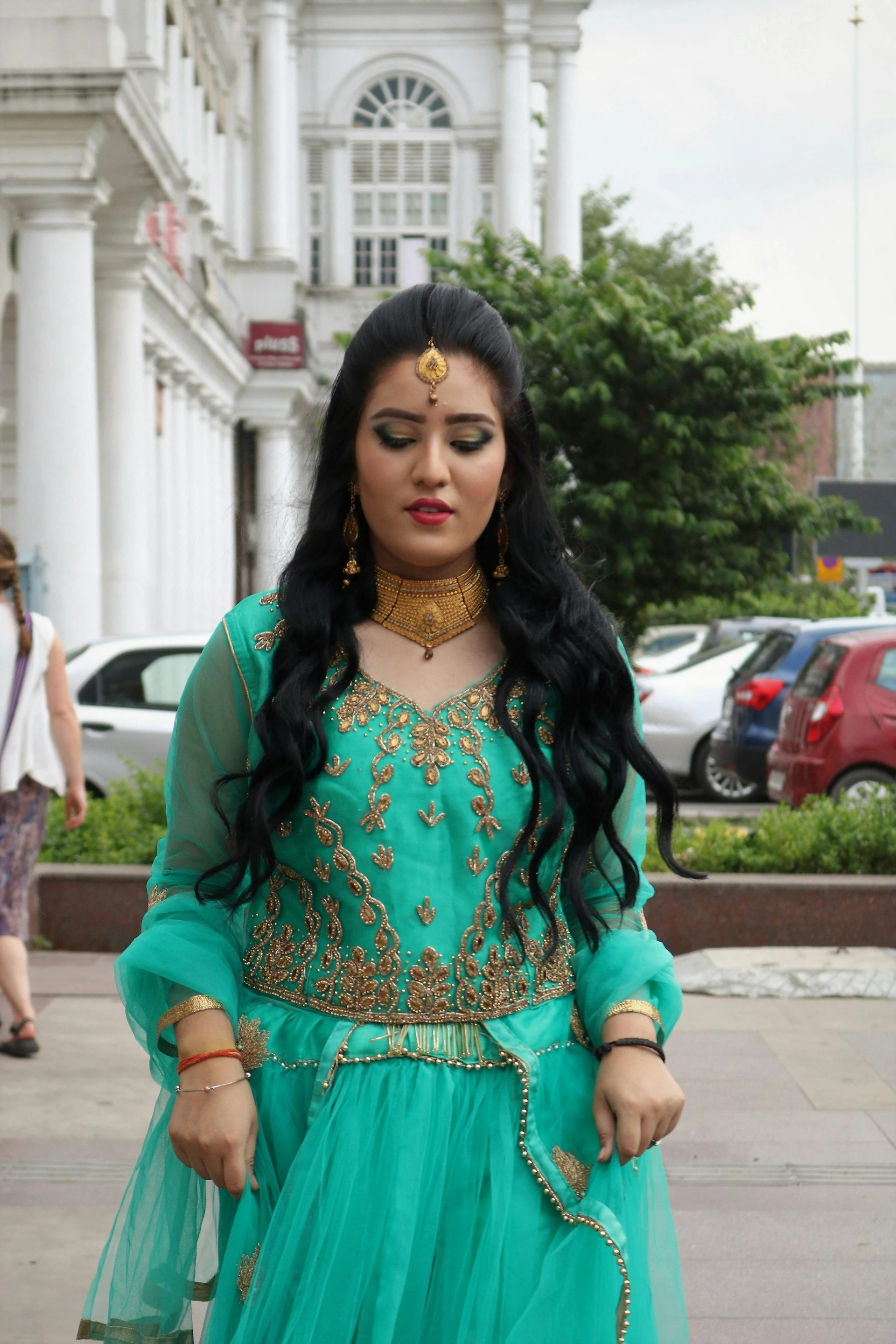 With changes
Size up so the bodice doesn't strain across the bust — a tight bodice pulls the flare forward and creates a tent. Once the bust fits, the rest is geometry.
View tutorial→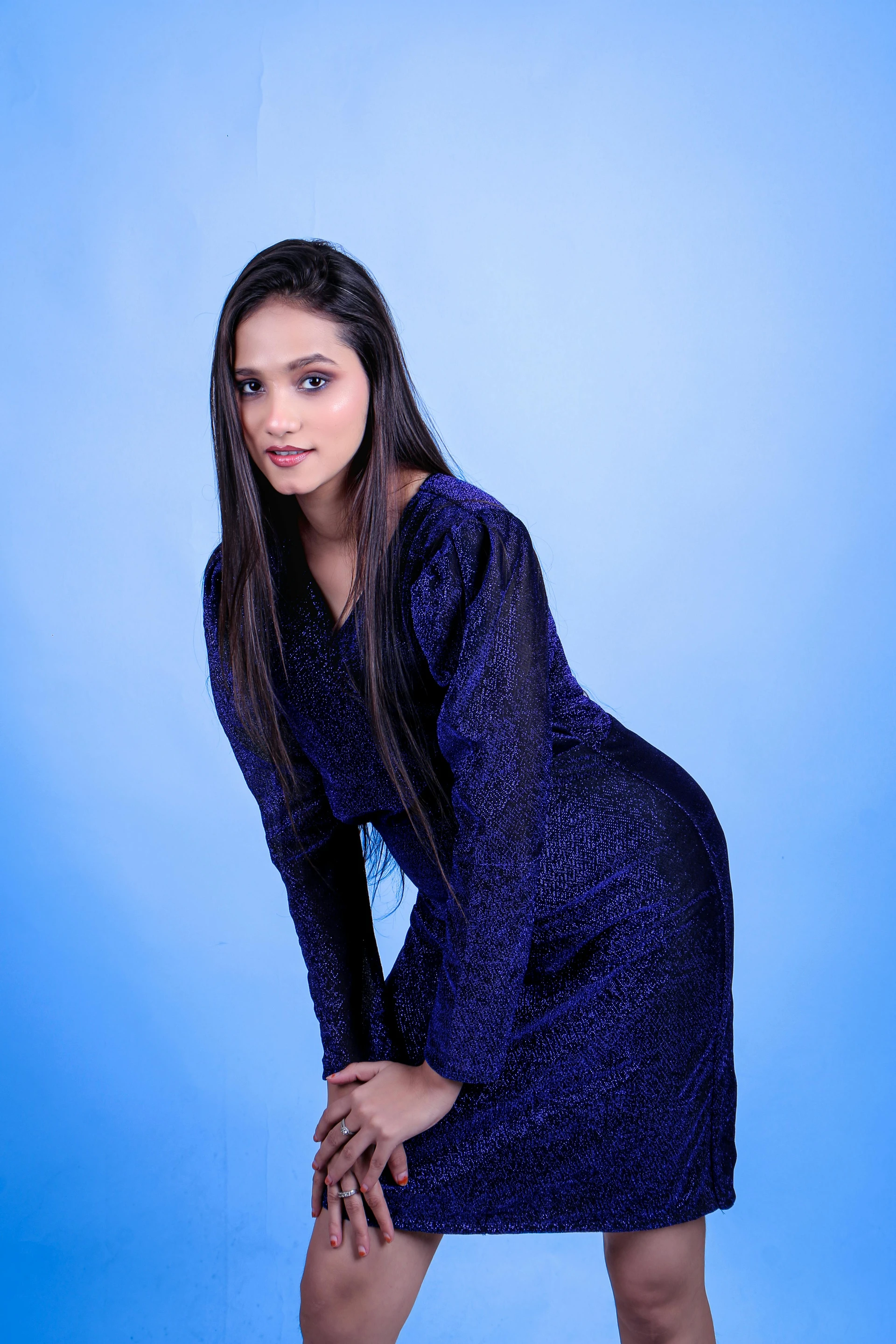 With changes
Size for your hips — don't size down. The lurex weave has very limited stretch: a too-small fit will create horizontal stress creases at the widest point that catch light and draw the eye. If there's excess at the waist after sizing for hips, a tailor can take it in at the side seams for ₹150–₹250.
View tutorial→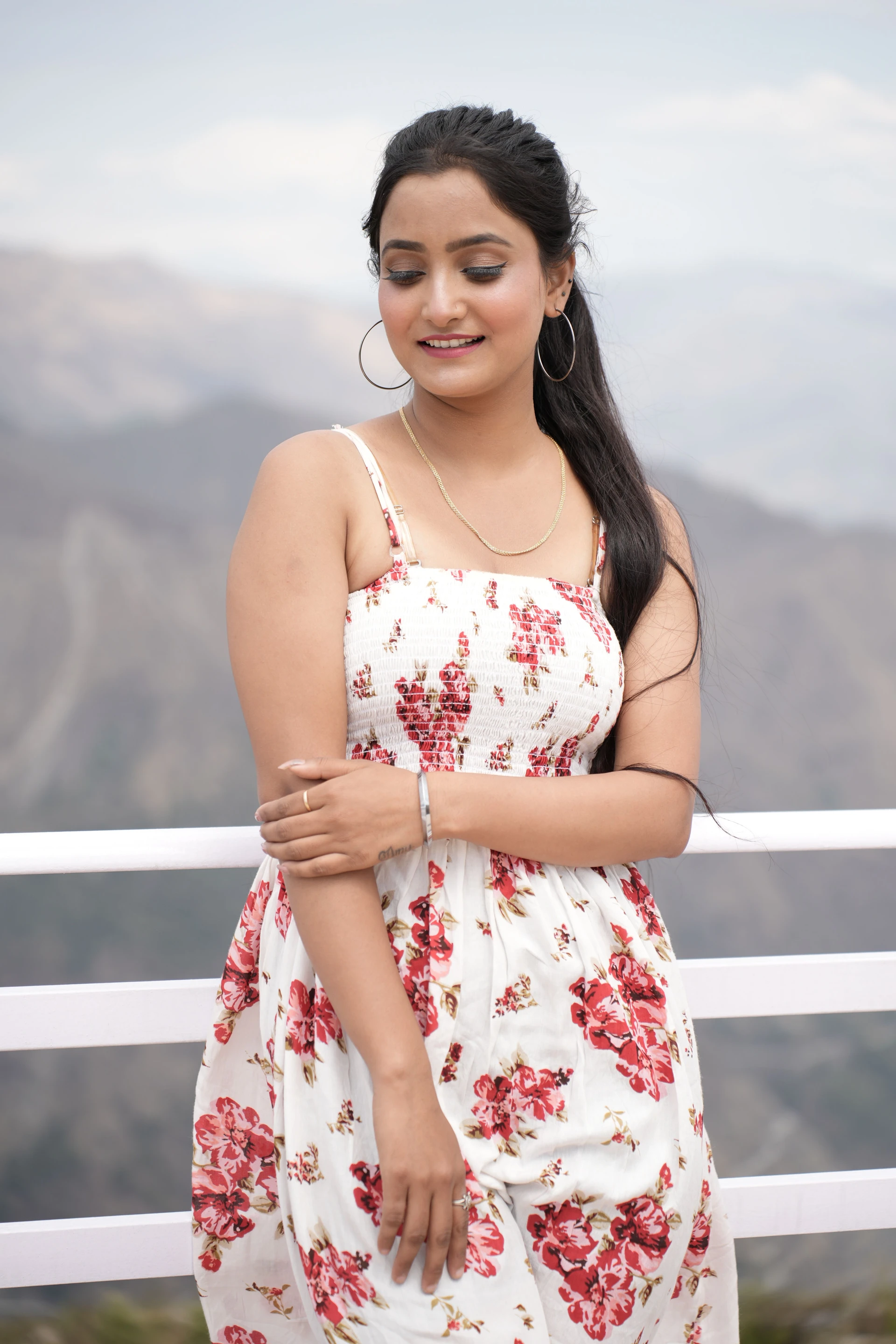 With changes
The smocked bodice stretches to accommodate a fuller bust without straining seams. The gathered A-line from the waist downward skims the hip without clinging. Size for the bust; the skirt accommodates the rest. Do not belt.
View tutorial→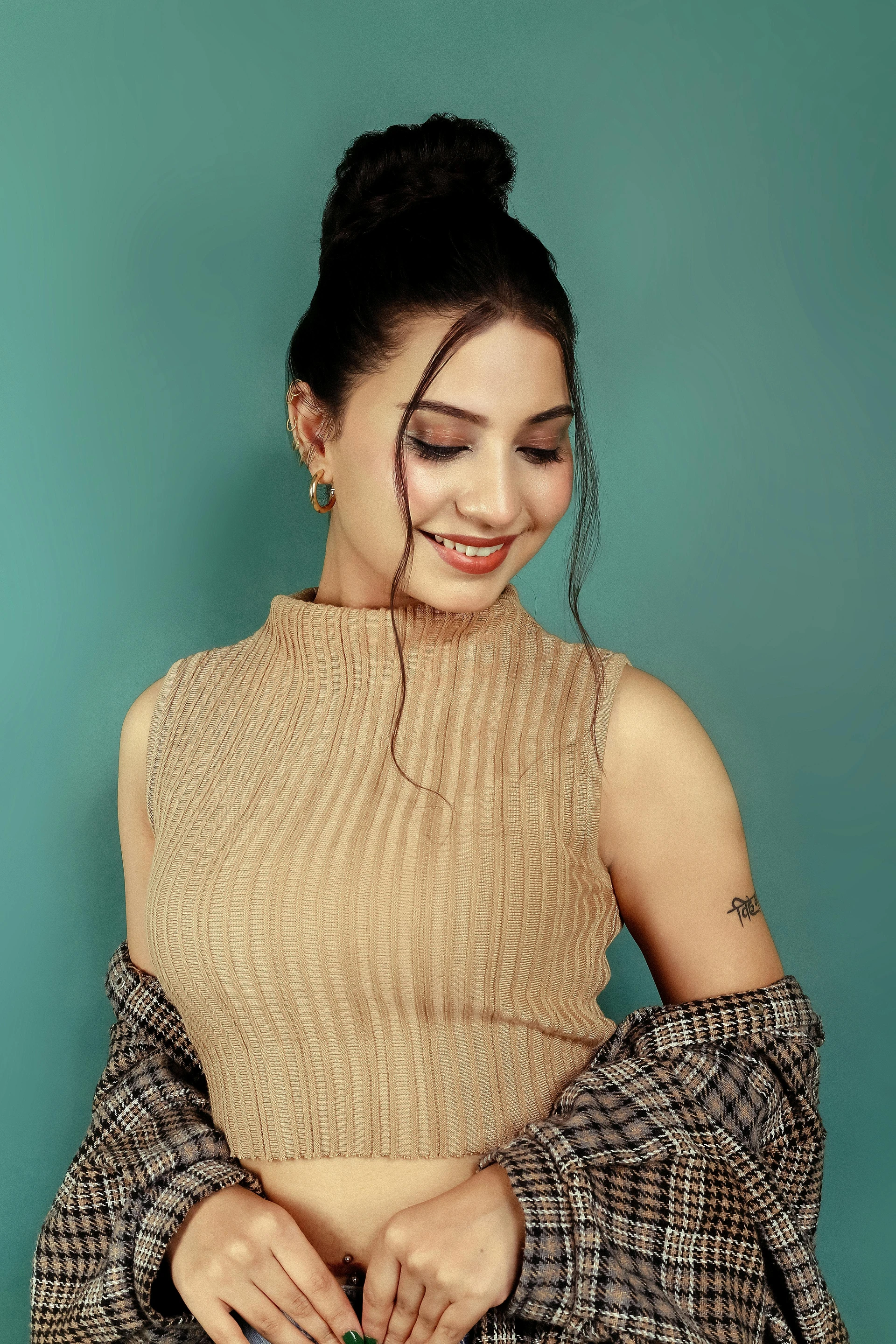 With changes
Go one size larger on the blazer — the open drape softens the shoulder line. Avoid the crop if you're uncomfortable with midriff exposure; pair with high-waist trousers that meet the hem.
View tutorial→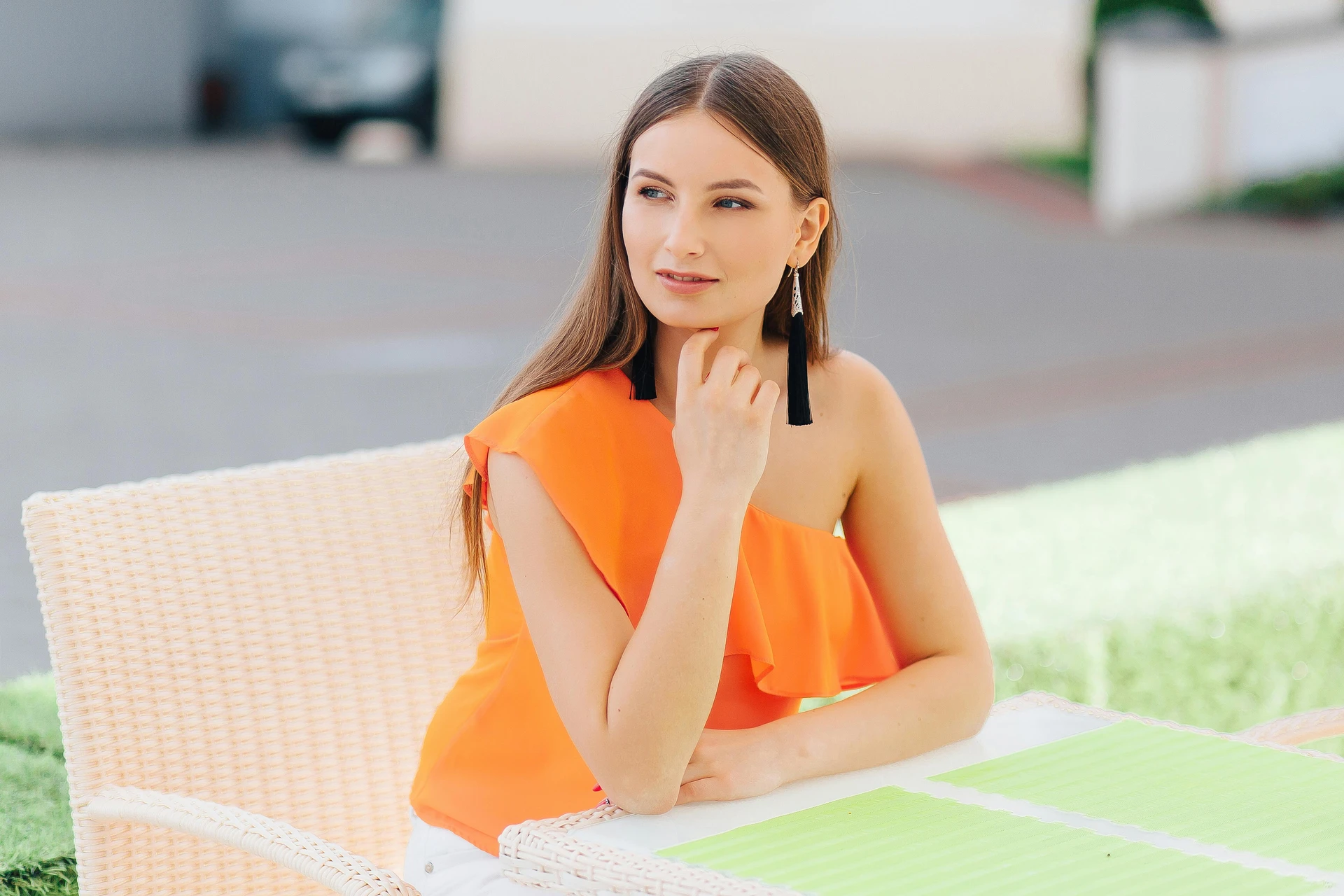 With changes
Choose semi-structured crepe. Pair with A-line midi skirt. Avoid jersey — it will cling where the ruffle sits.
View tutorial→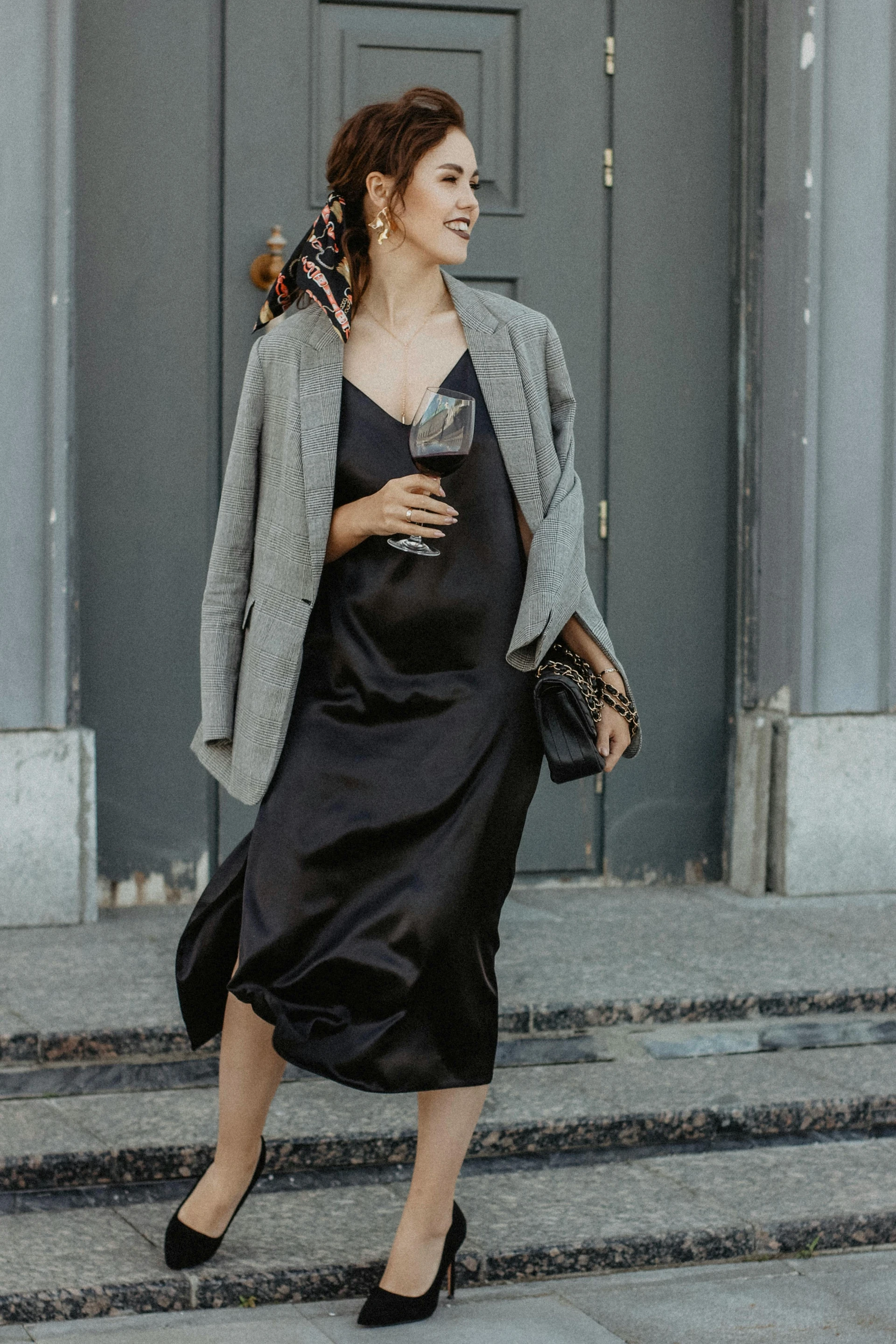 With changes
Size up in the slip — satin shows pull immediately at the hips and bust. Keep the blazer open and oversized to add a vertical framing panel. Avoid cinching at the waist.
View tutorial→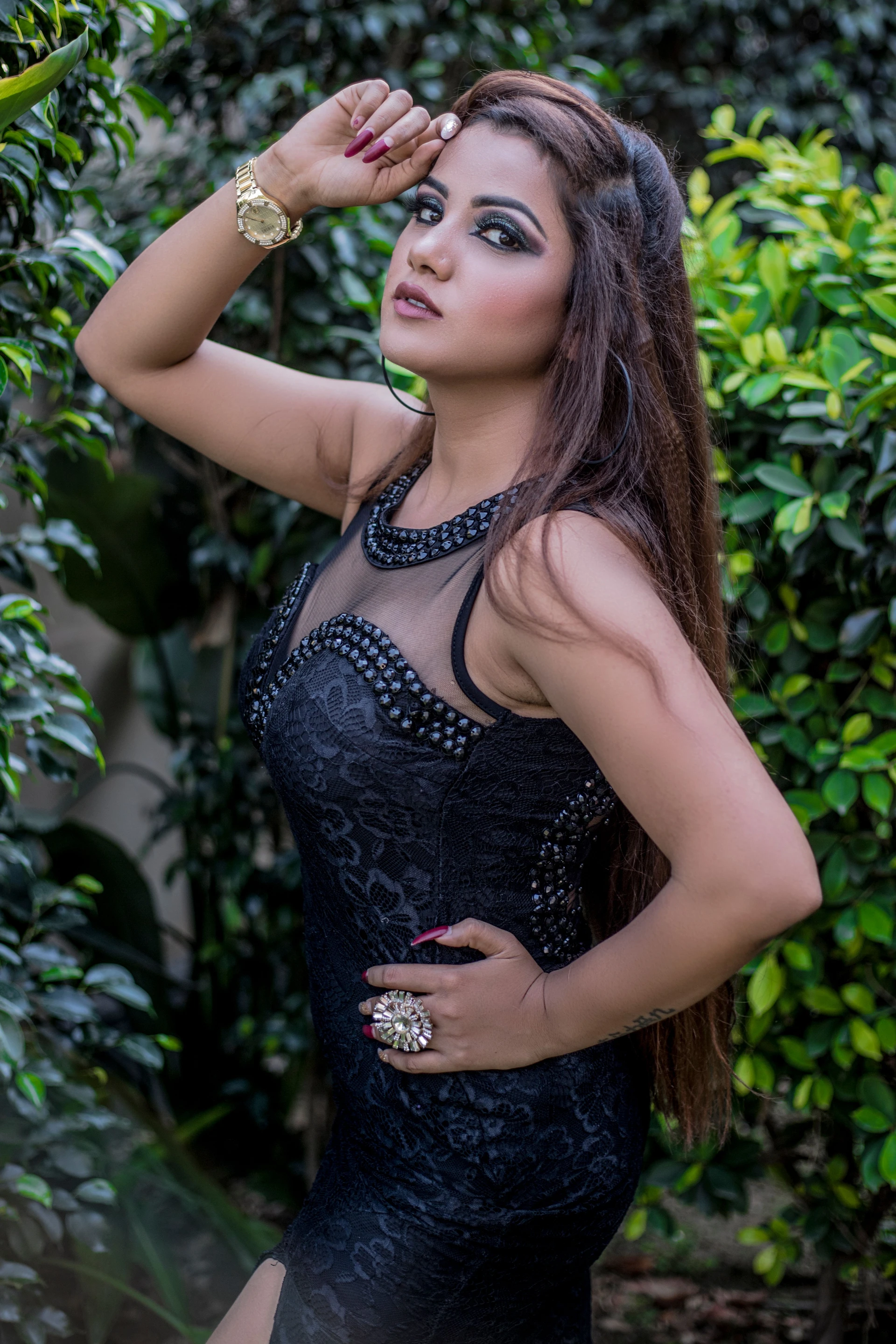 With changes
Structured lace with a woven pattern (like guipure) holds shape. Avoid single-layer stretch lace — it clings to every curve and shows texture. A lined dress is non-negotiable.
View tutorial→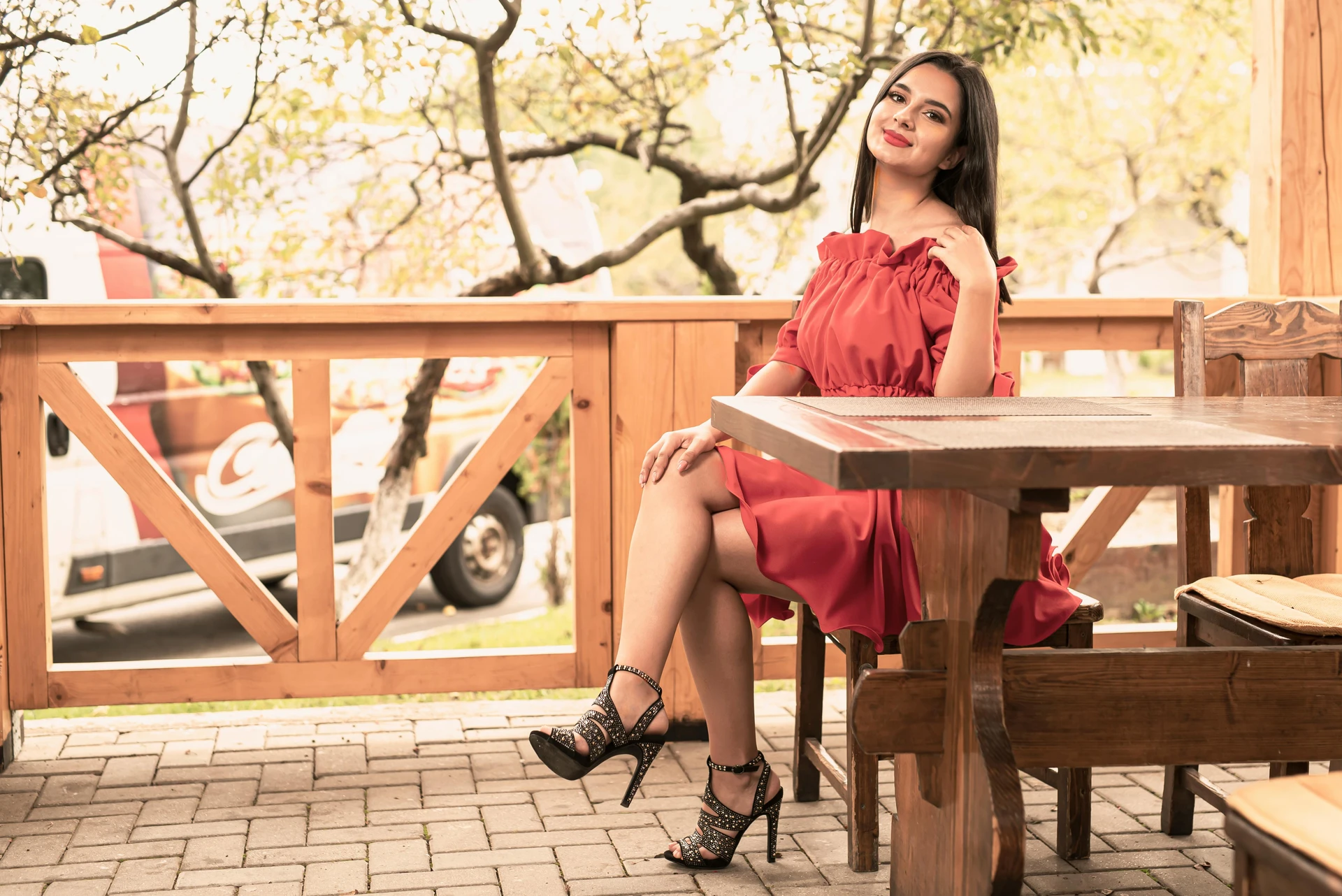 With changes
Choose a wide-waistband version. If the ruffle adds too much bust volume, try a clean bardot neckline instead.
View tutorial→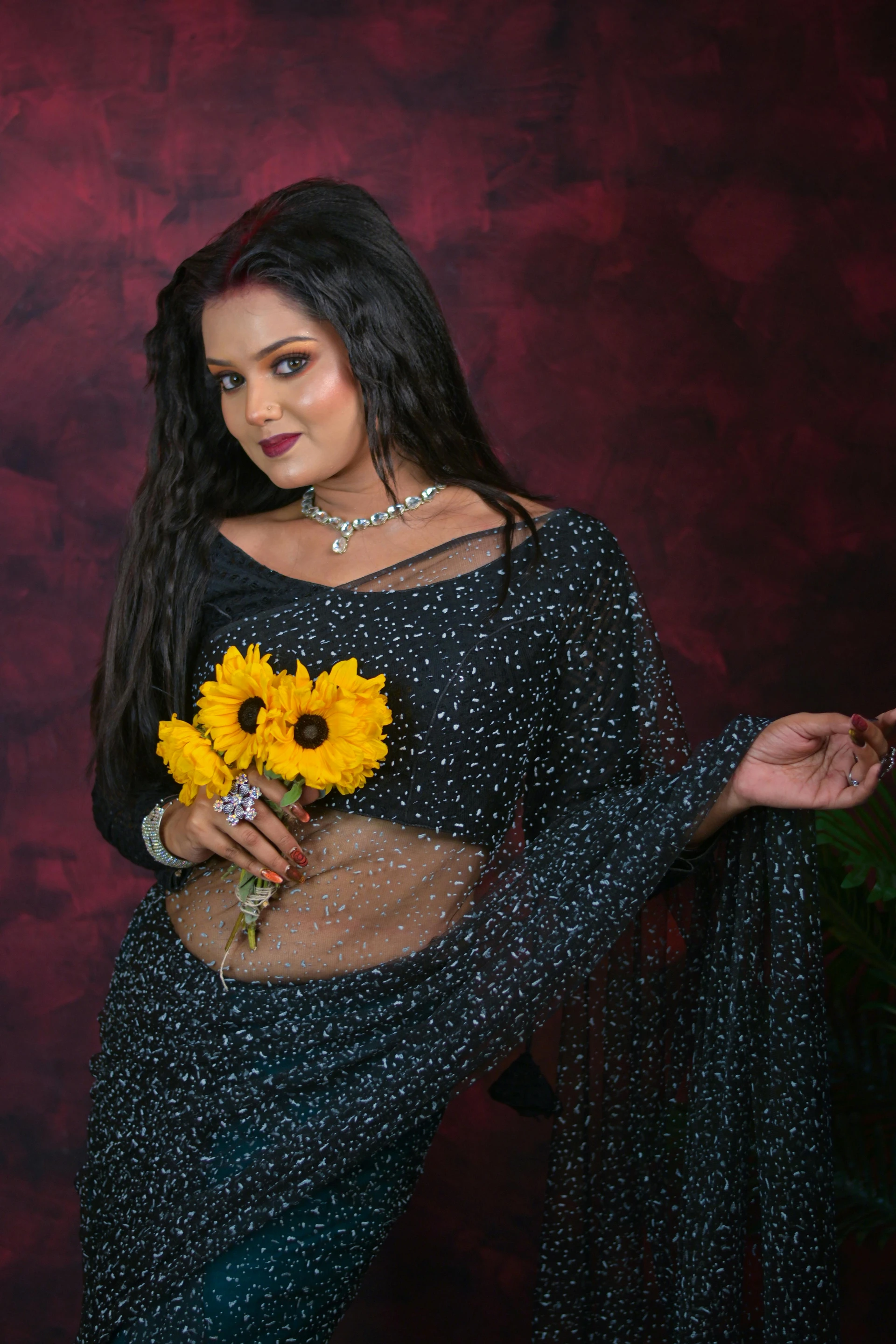 With changes
Wrap the saree 1 inch above the hip bone to create a visible waist. Tuck pleats tightly at the centre front — avoid bunching at the stomach.
View tutorial→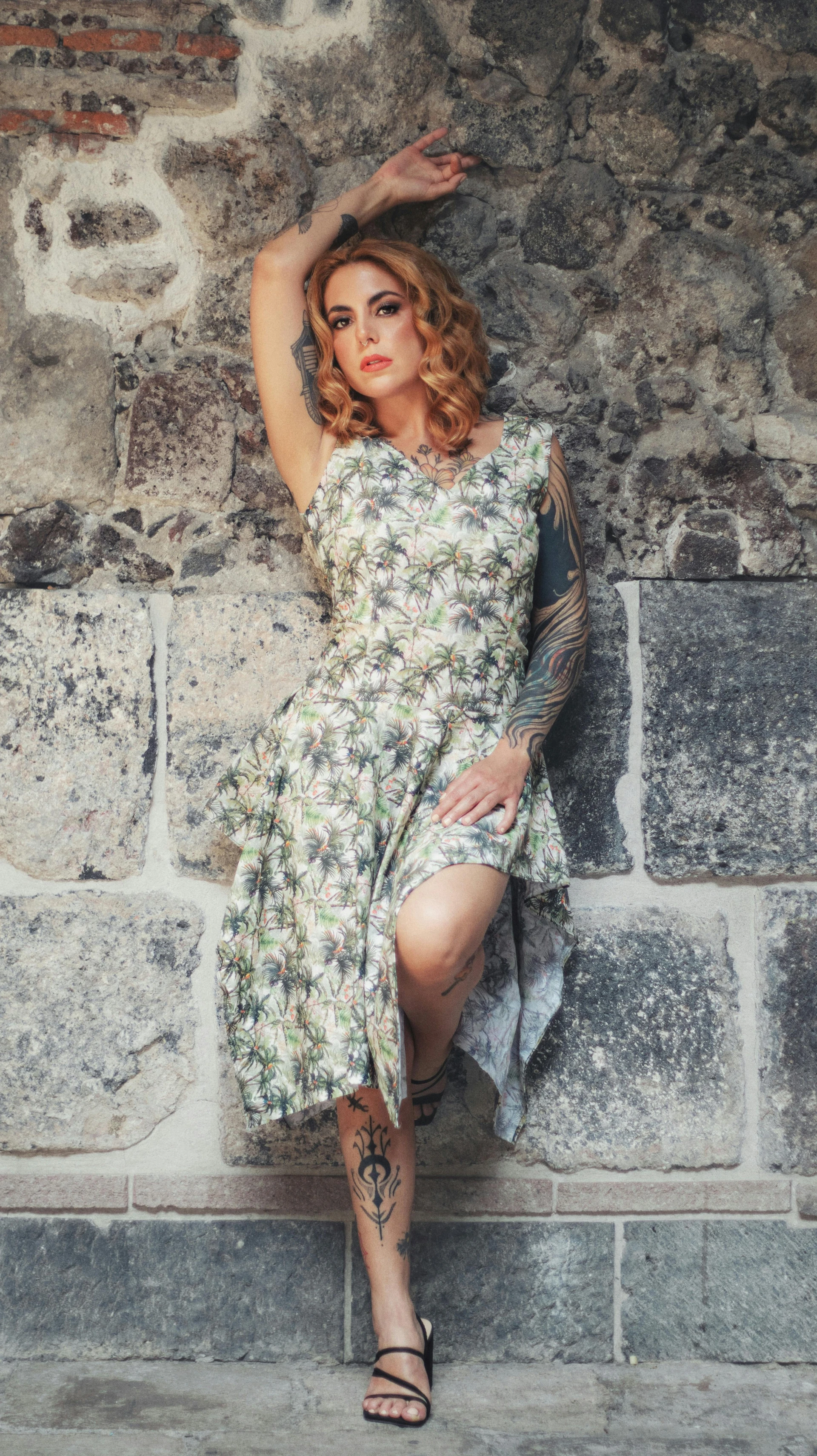 With changes
Size the bodice for bust fit at the V-neckline and bust dart — it should sit flat with no pulling. The gathered skirt already has built-in room for hip, so don't assume one size covers both zones correctly.
View tutorial→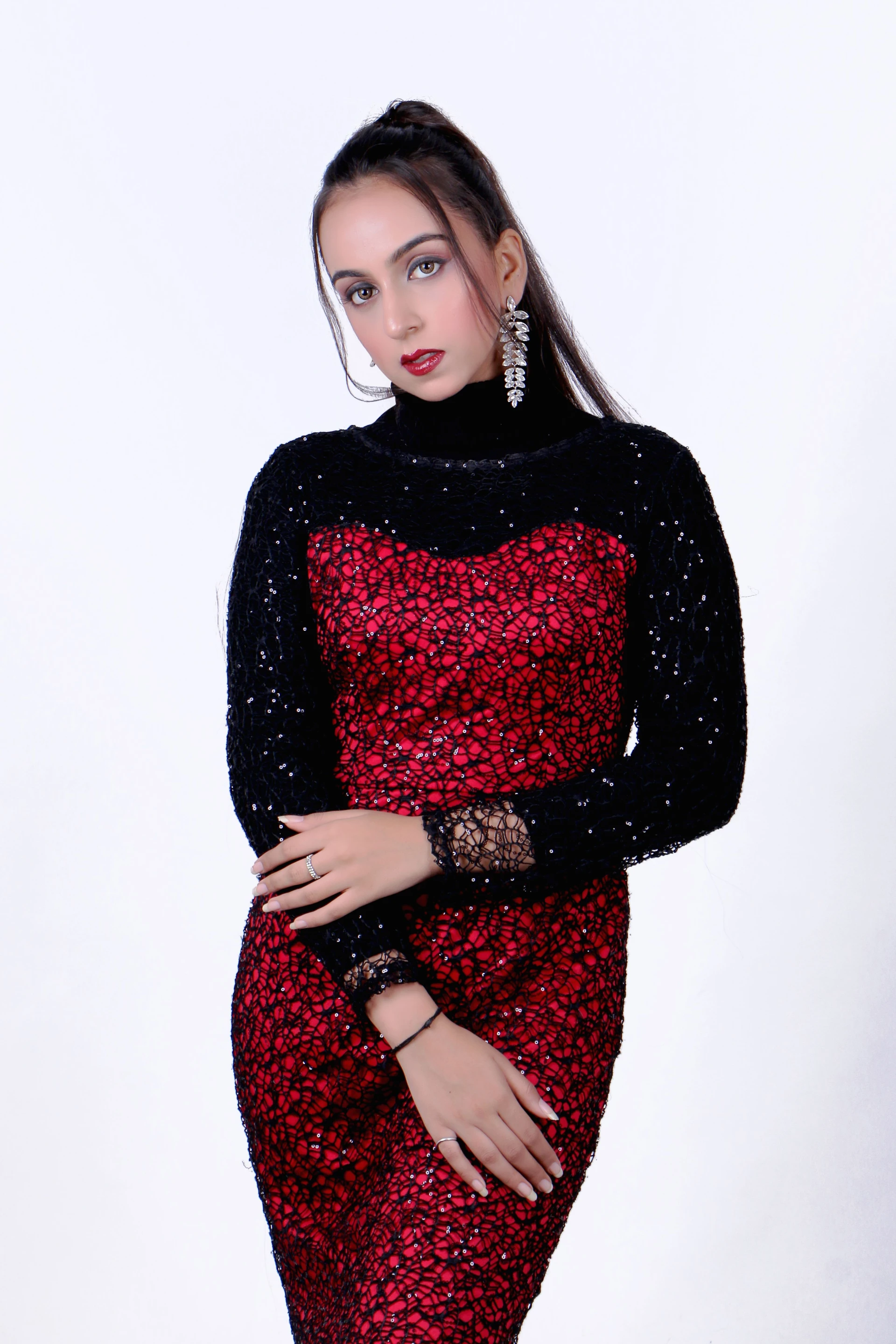 With changes
Size for your hip or bust (whichever is larger) — the lace stretch accommodates the waist. The black lace side panels frame the red centre and create optical narrowing through light-and-shadow contrast as the primary silhouette shaper.
View tutorial→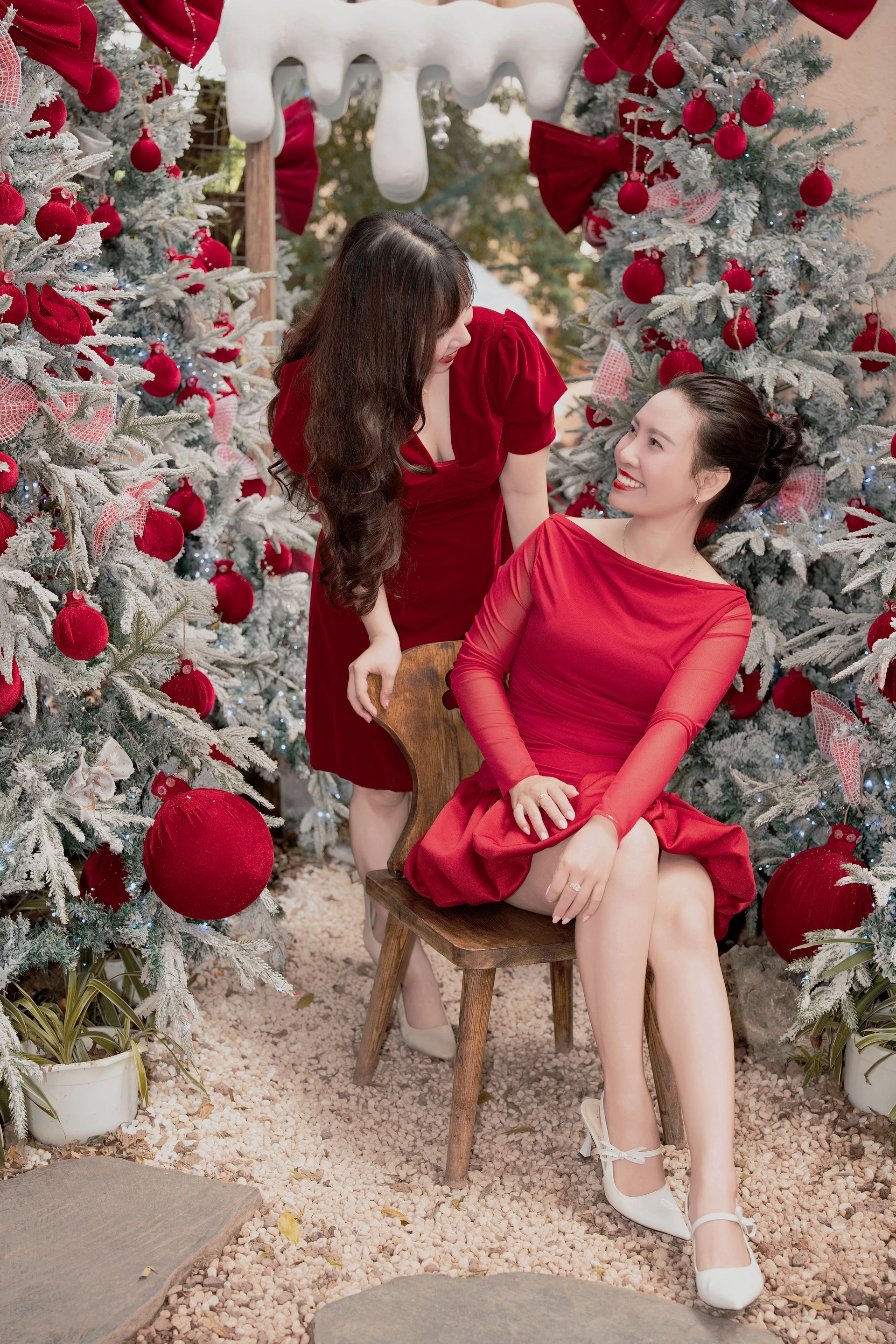 With changes
Off-shoulder with waist seam — size up at hip, then tailor the waist ₹200–₹400. The horizontal neckline balances the bust and defines the waist. Do not wear the dress loose to hide the tummy — it creates bulk.
View tutorial→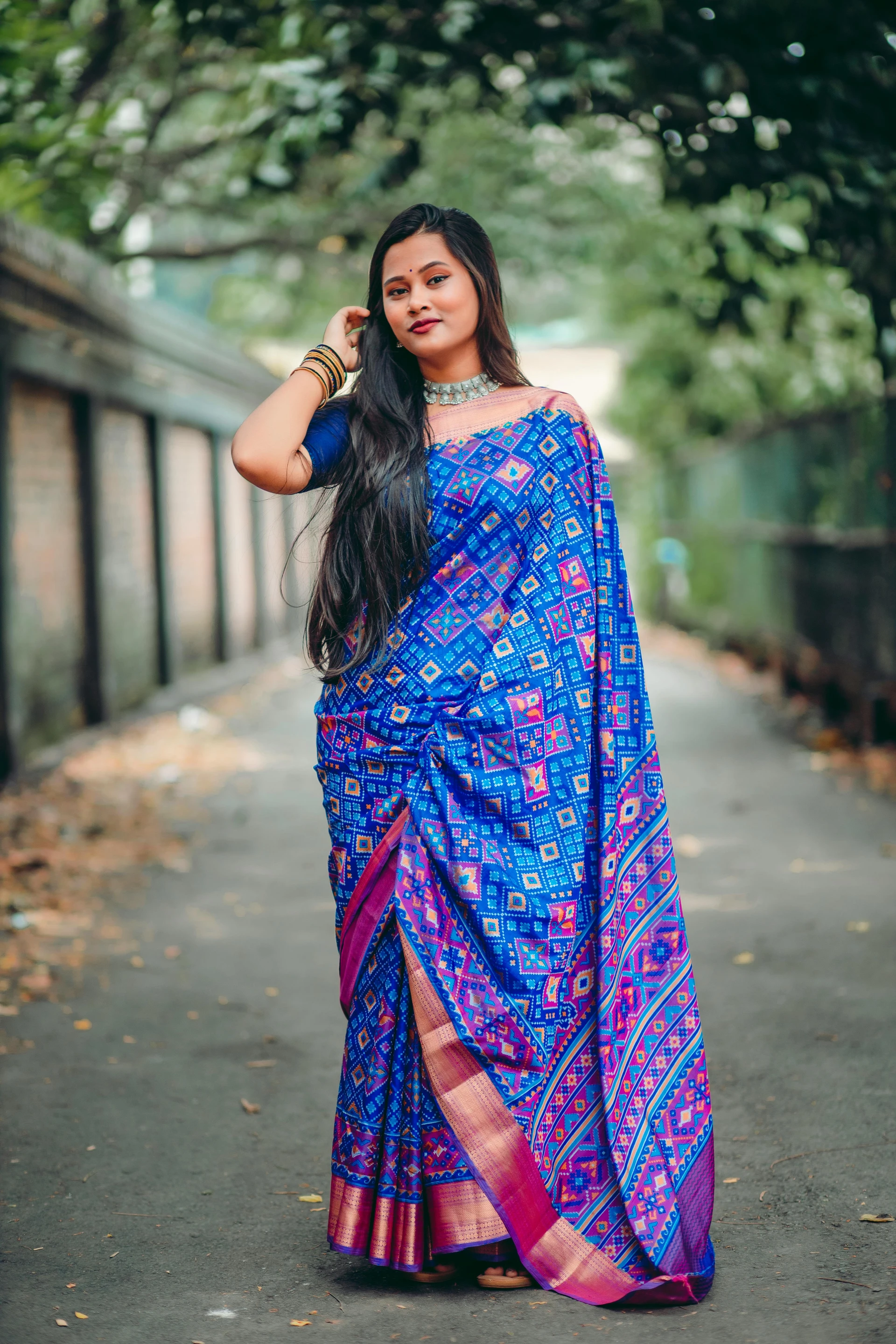 With changes
Drape the pallu diagonally and pin at the shoulder. Keep pleats to 5–6, narrow width — avoid over-stuffing at the waist.
View tutorial→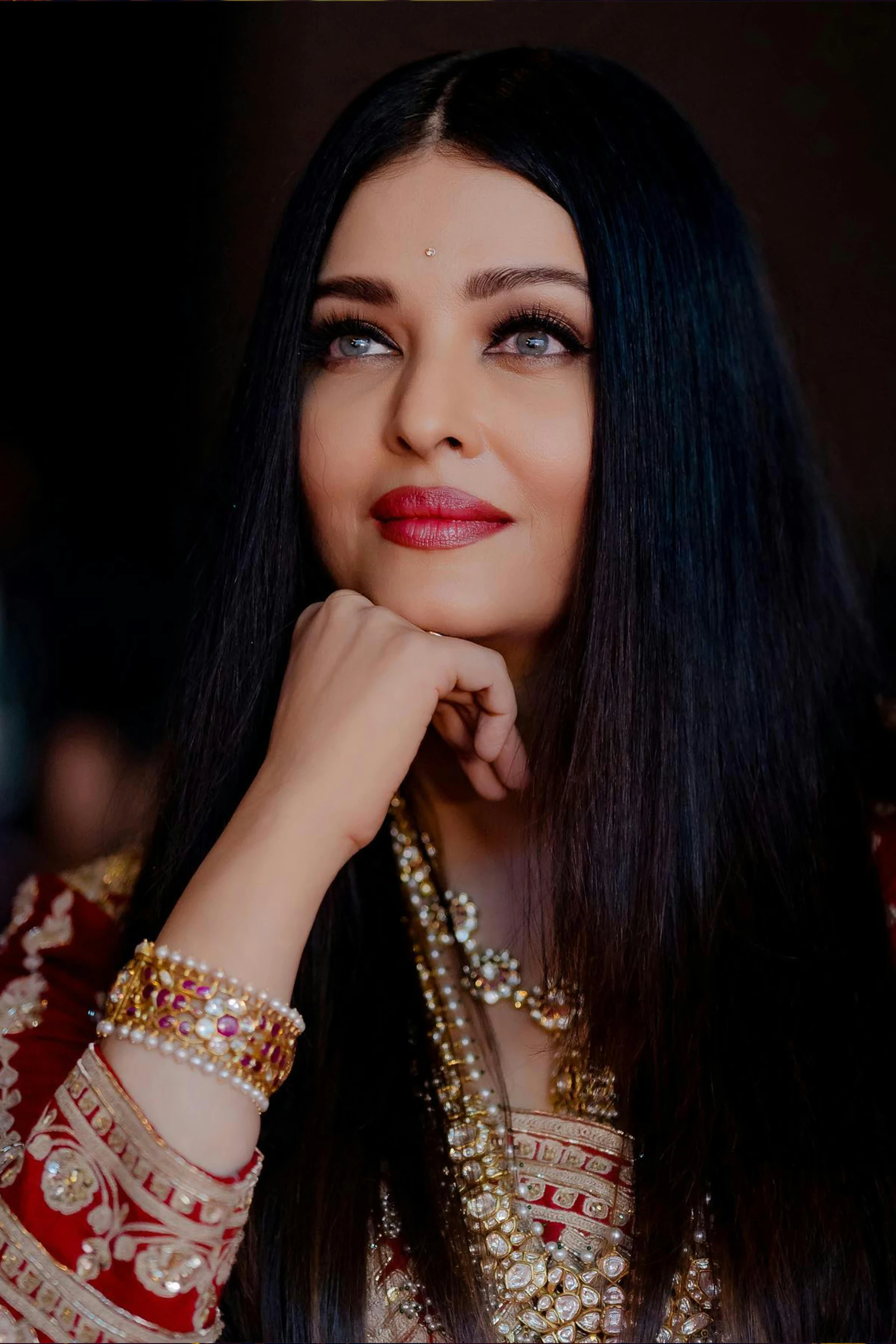 With changes
Contour the nose bridge and jaw lightly to add facial definition. The bold lip and eye do all the heavy lifting.
View tutorial→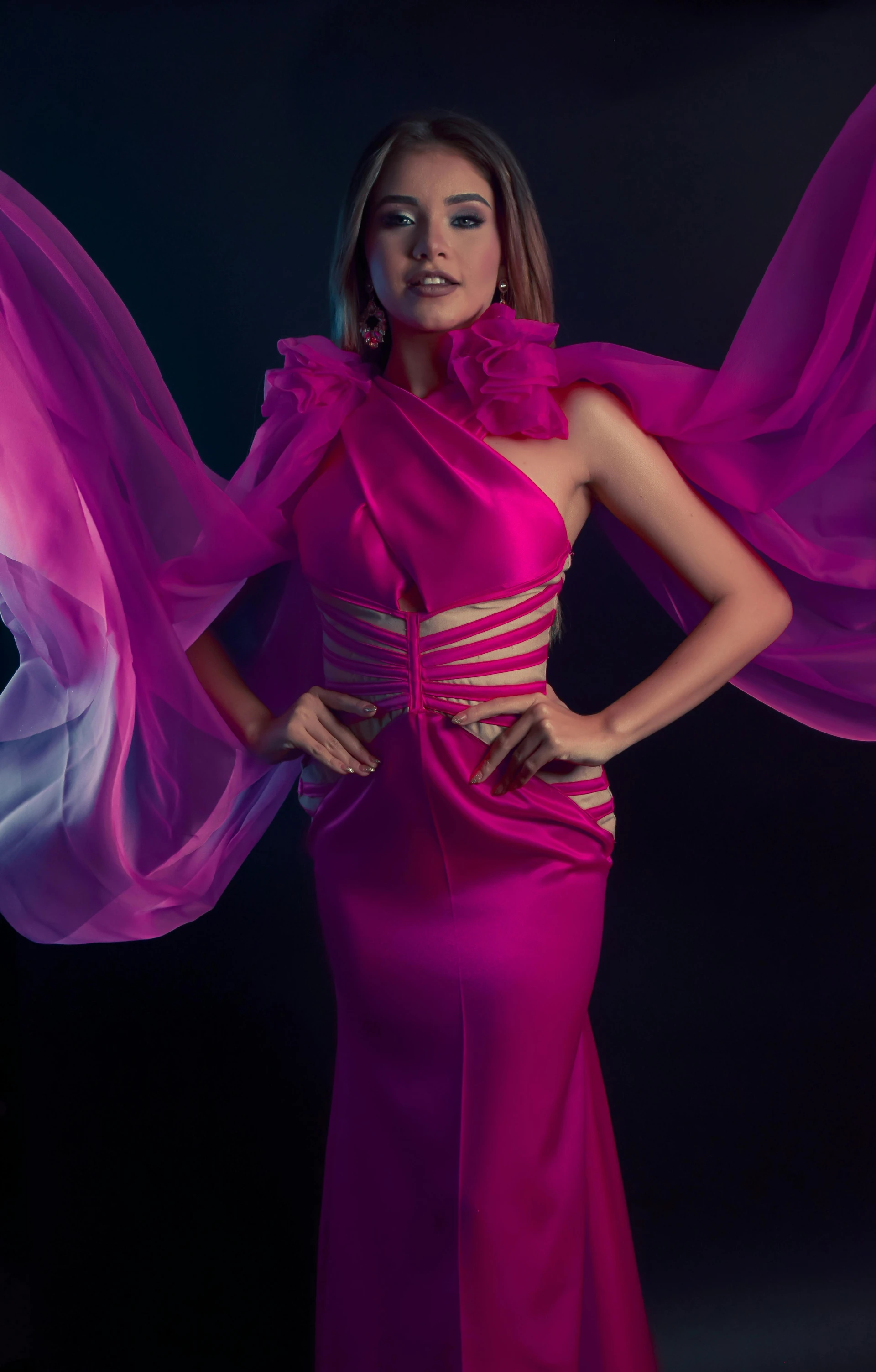 With changes
Buy to the largest measurement (hip or bust). Have the waist section tailored in by a local darji (Rs200-400). Choose bonded or lined satin — poly satin without lining clings and shows shapewear lines.
View tutorial→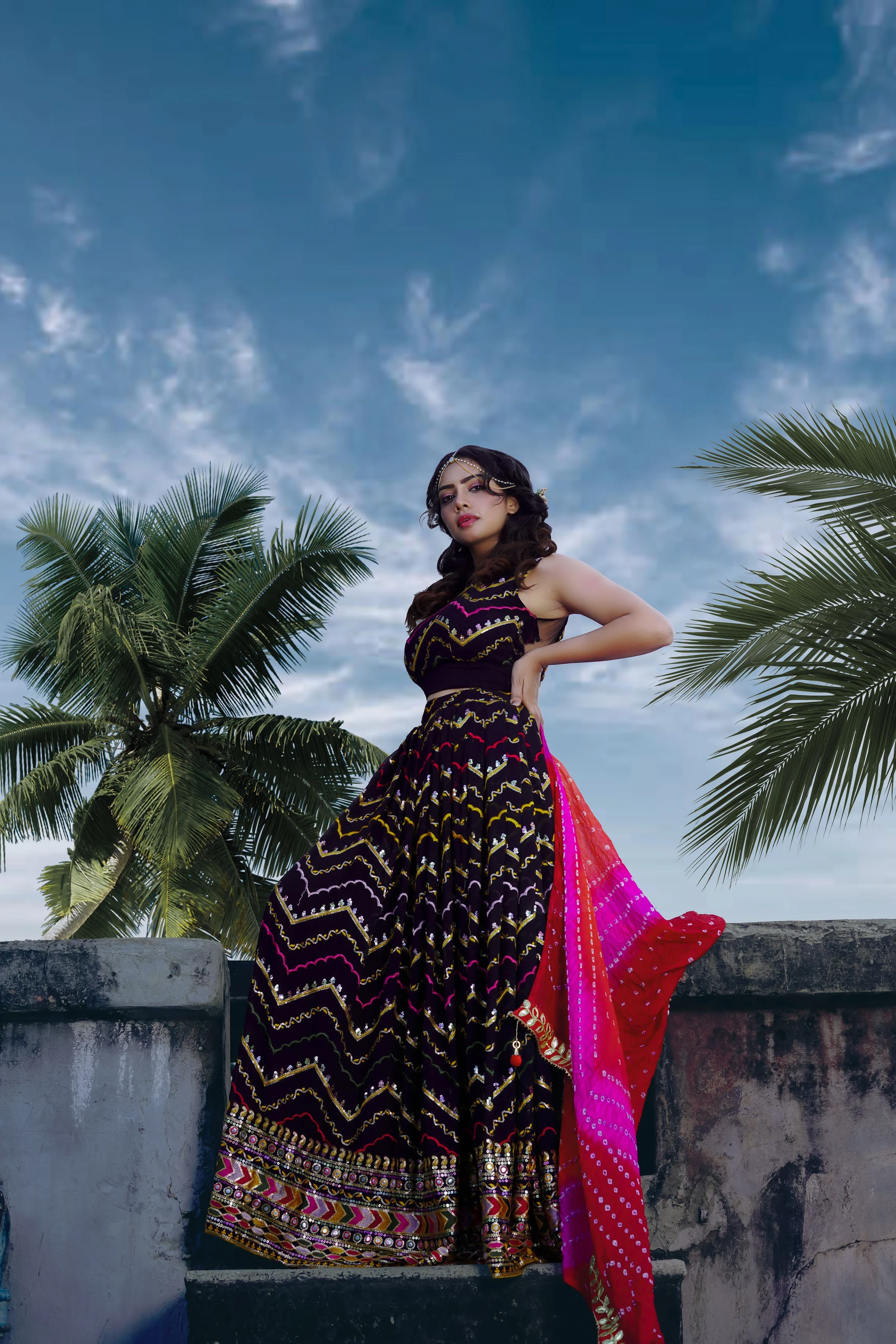 With changes
Request a high-waist waistband positioned above the navel. The halter neck creates upward visual momentum; the high waist defines the torso. Georgette is preferred over velvet for softness.
View tutorial→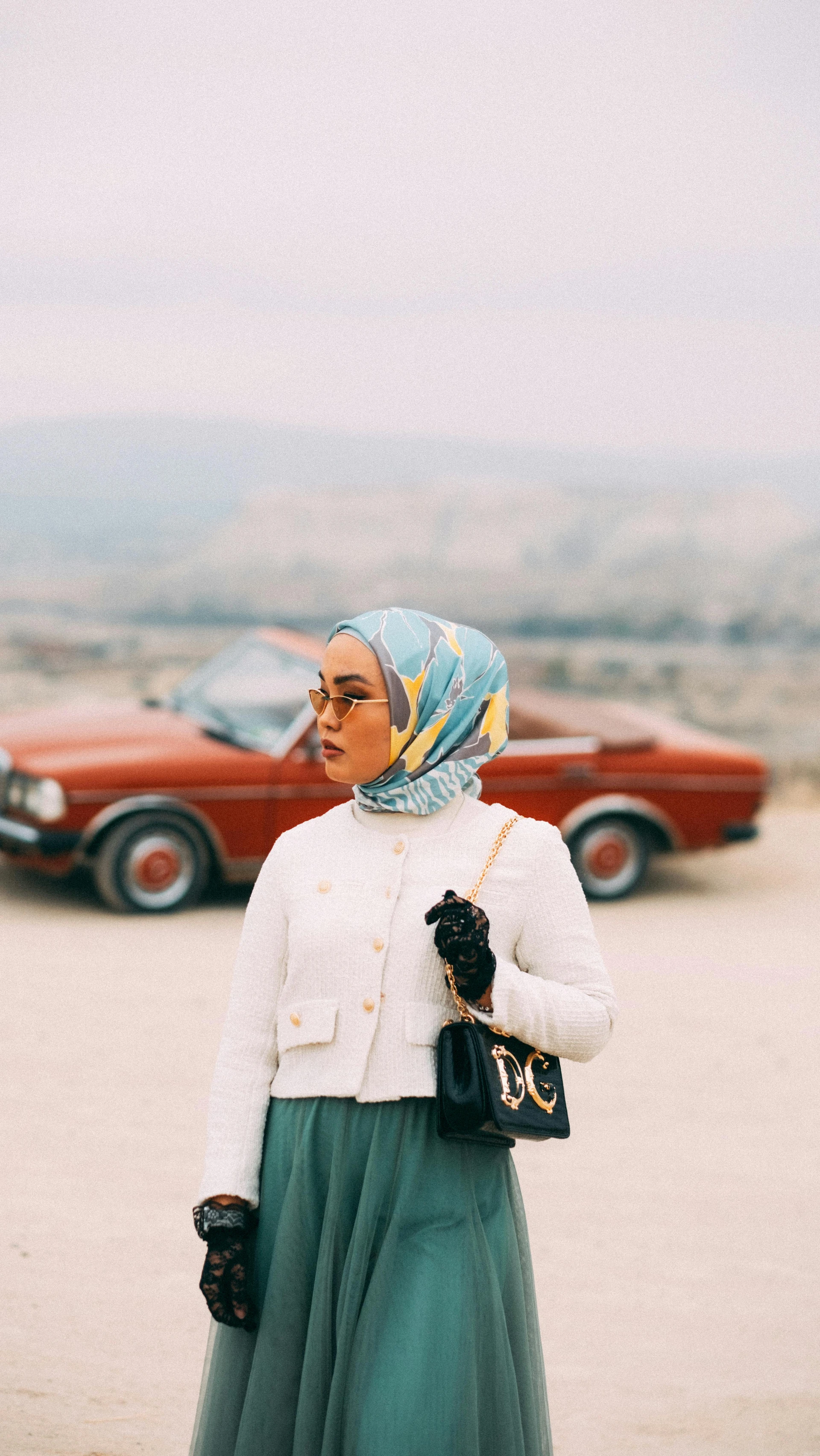 With changes
Size up on the jacket for shoulder fit. Choose single-tier tulle, not multi-layer, to manage volume around the hip.
View tutorial→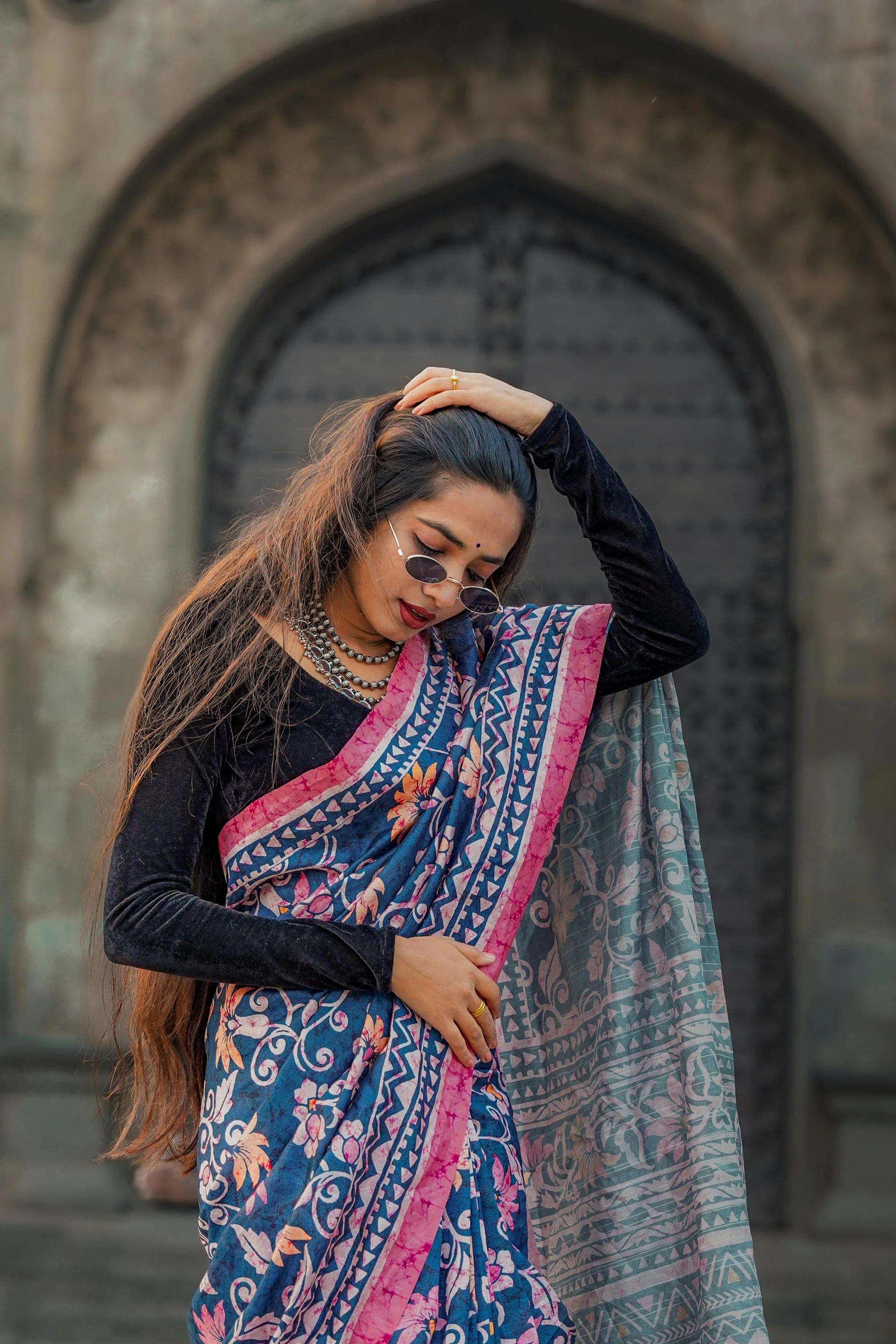 With changes
Choose a cotton or georgette saree (not stiff silk) and ensure the blouse is well-fitted with a firm waist tuck. The drape follows your natural shape.
View tutorial→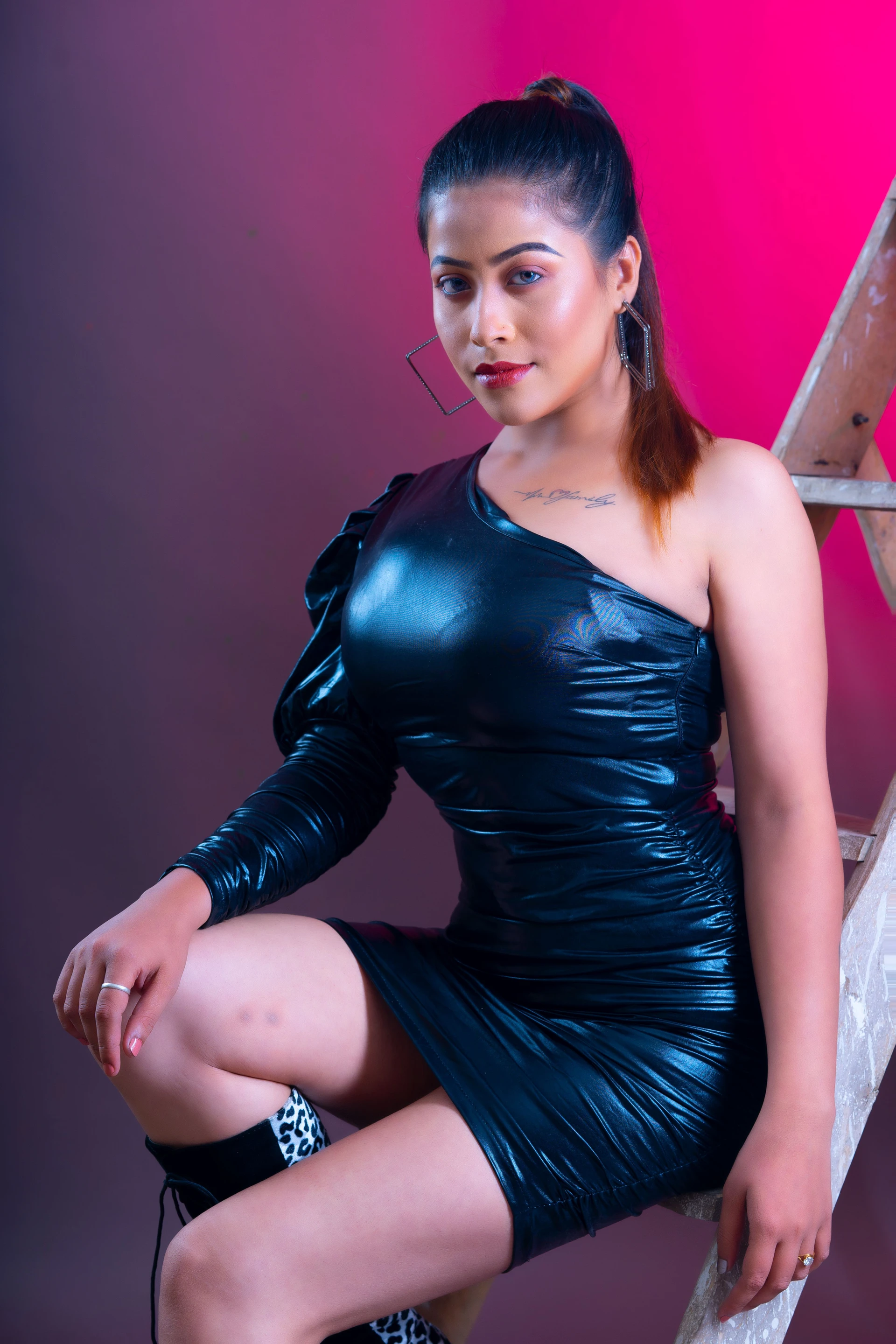 With changes
The ruching mechanics require the fabric to have slack to gather. Size to the hip, not the waist. The faux leather has moderate stretch but the ruching effect only appears when fabric is not pulled taut across the body. One size up from your usual is the most common fix needed.
View tutorial→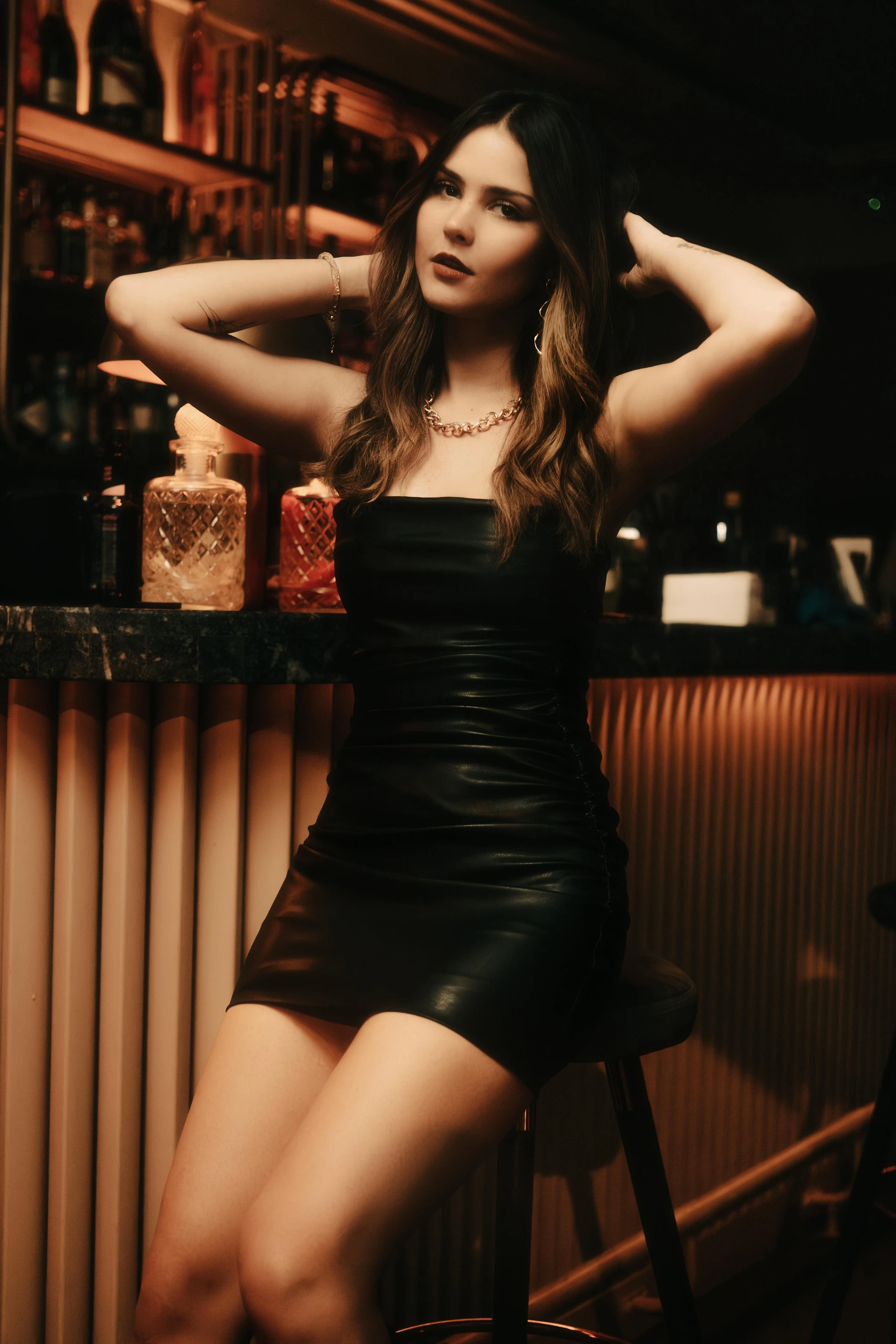 With changes
Size up one so the ruching gathers diagonally across the hip. A structured strapless adhesive bra is non-negotiable — without chest lift the neckline drops and the whole silhouette loses its clean geometry.
View tutorial→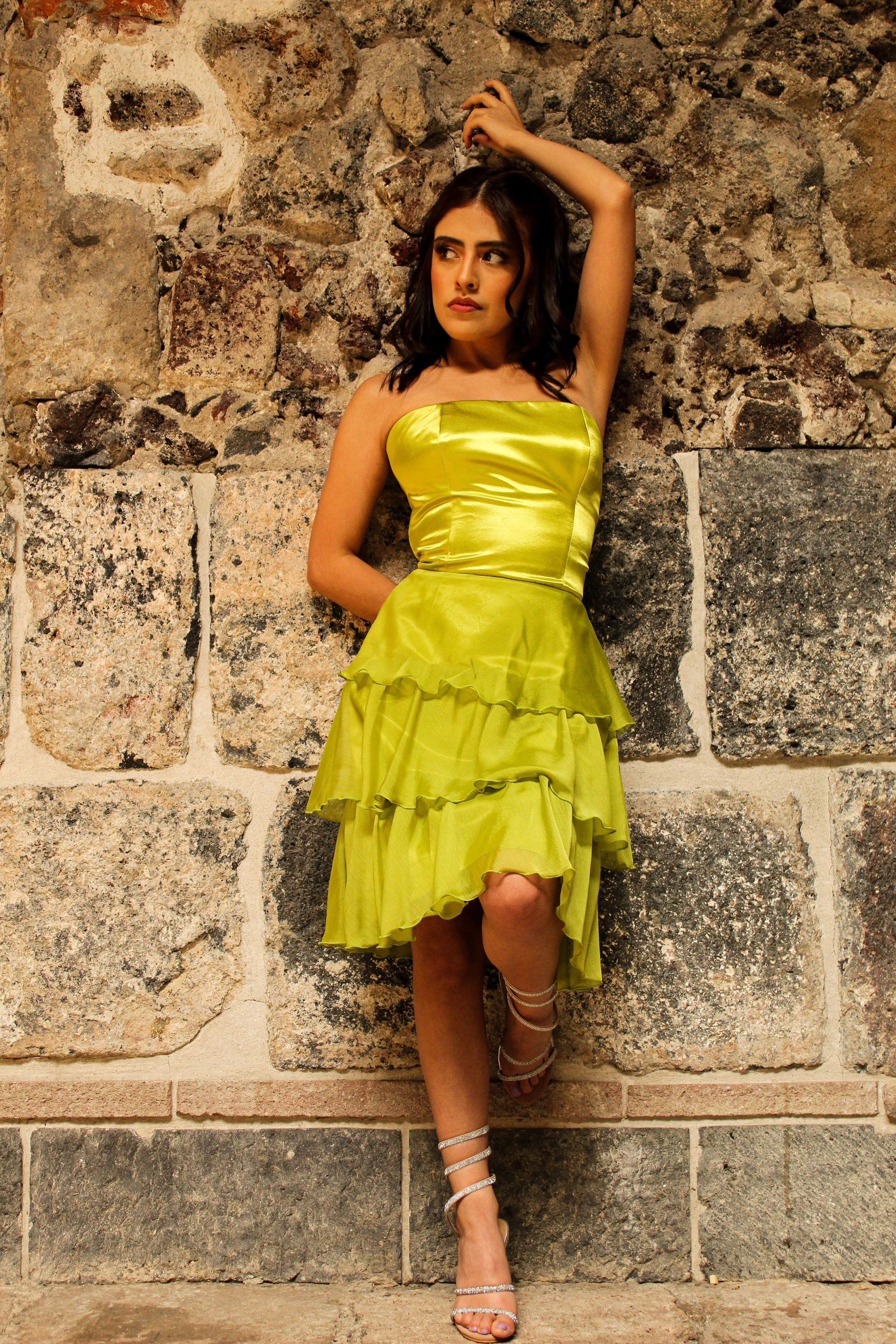 With changes
Size the bodice to your bust/ribcage measurement (boning needs a snug fit to shape correctly) and size the skirt separately to your natural waist, since this is a co-ord, not one connected garment.
View tutorial→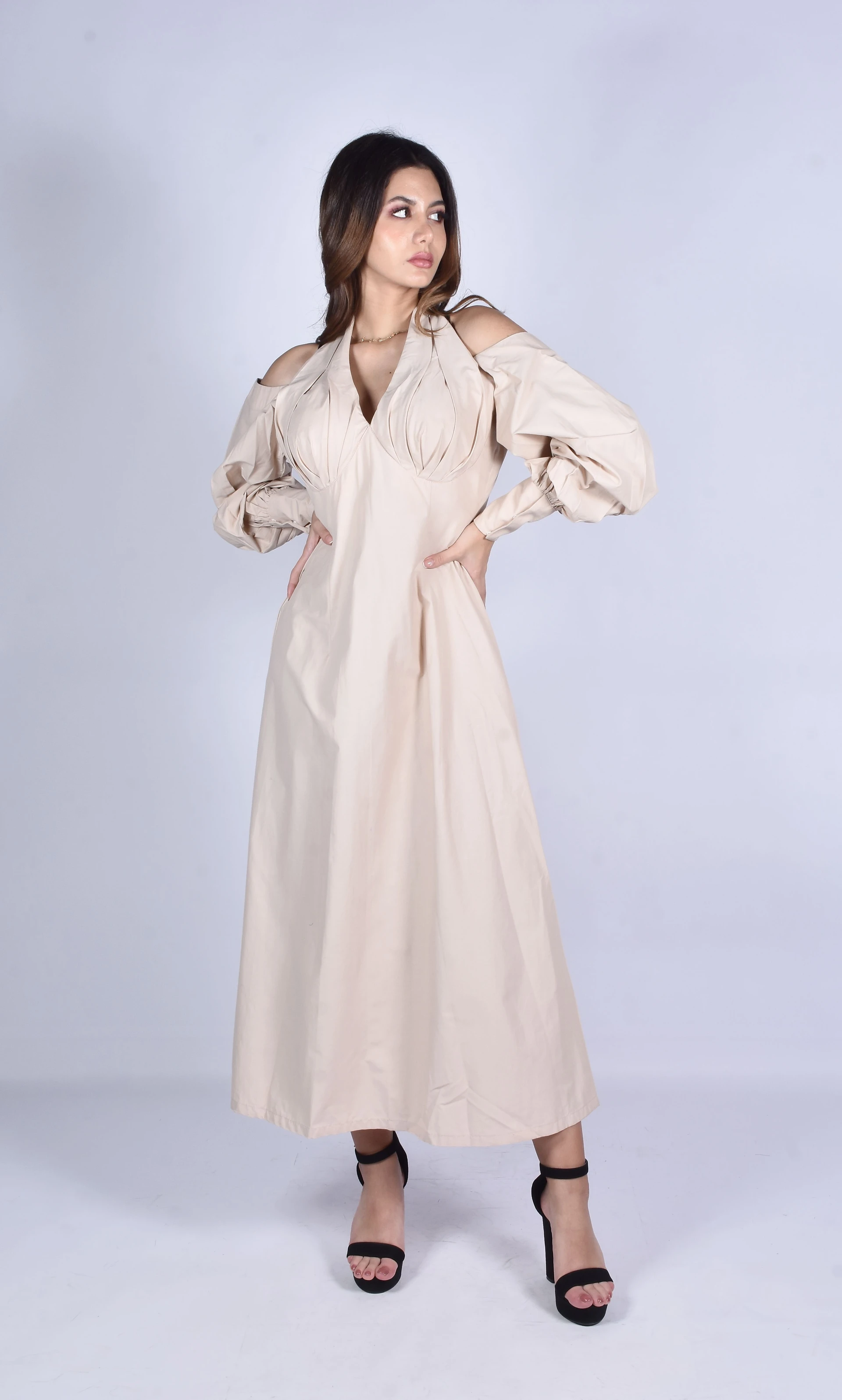 With changes
Size to hip, have the waist taken in (₹300–₹500). The A-line skirt releases below the waist and swings away from the hip — no skirt alteration needed, only the waist point.
View tutorial→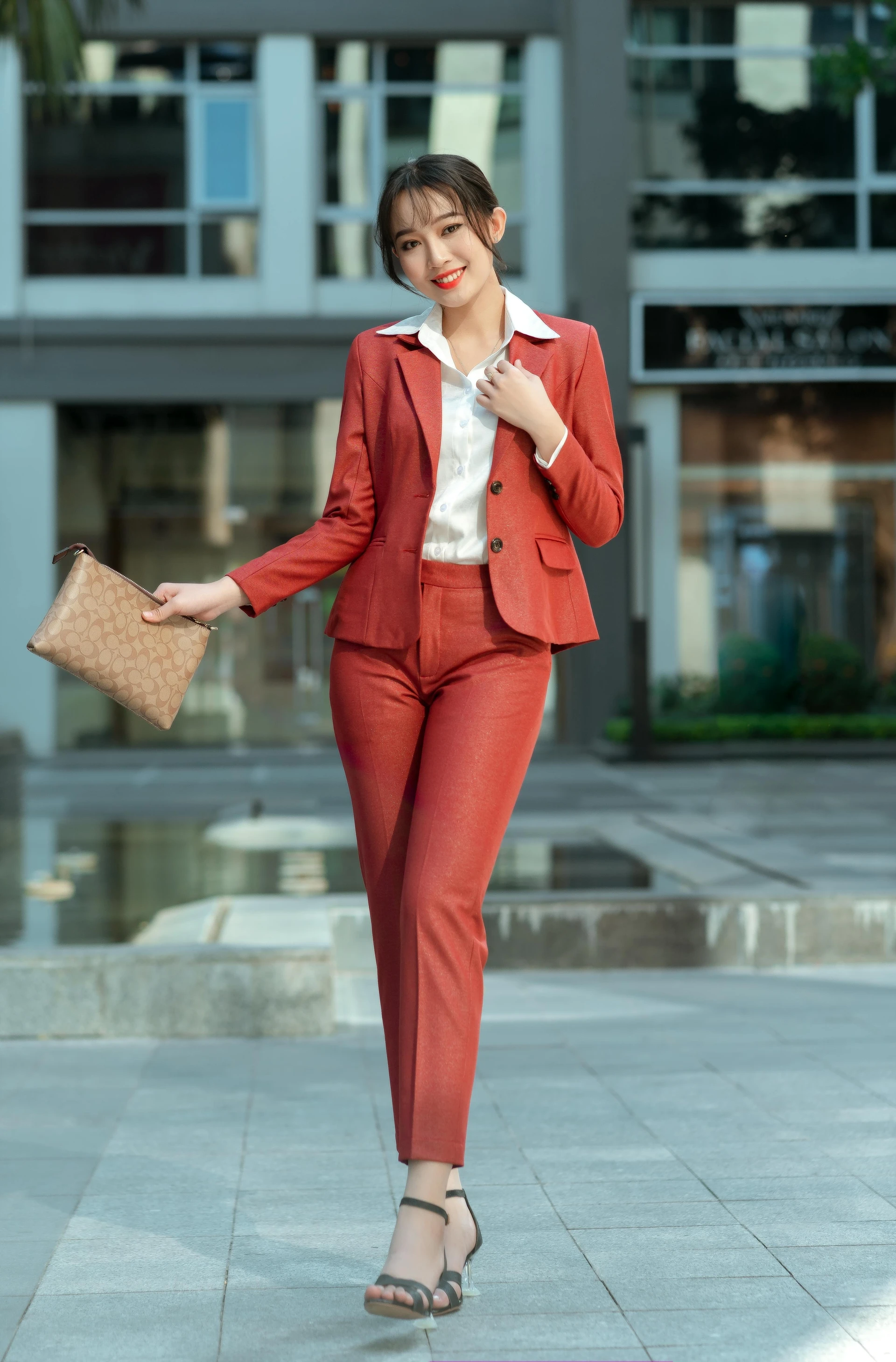 With changes
Size up for shoulder fit, then have the blazer waist taken in. A single-button closure is essential — double-button widens the torso visually.
View tutorial→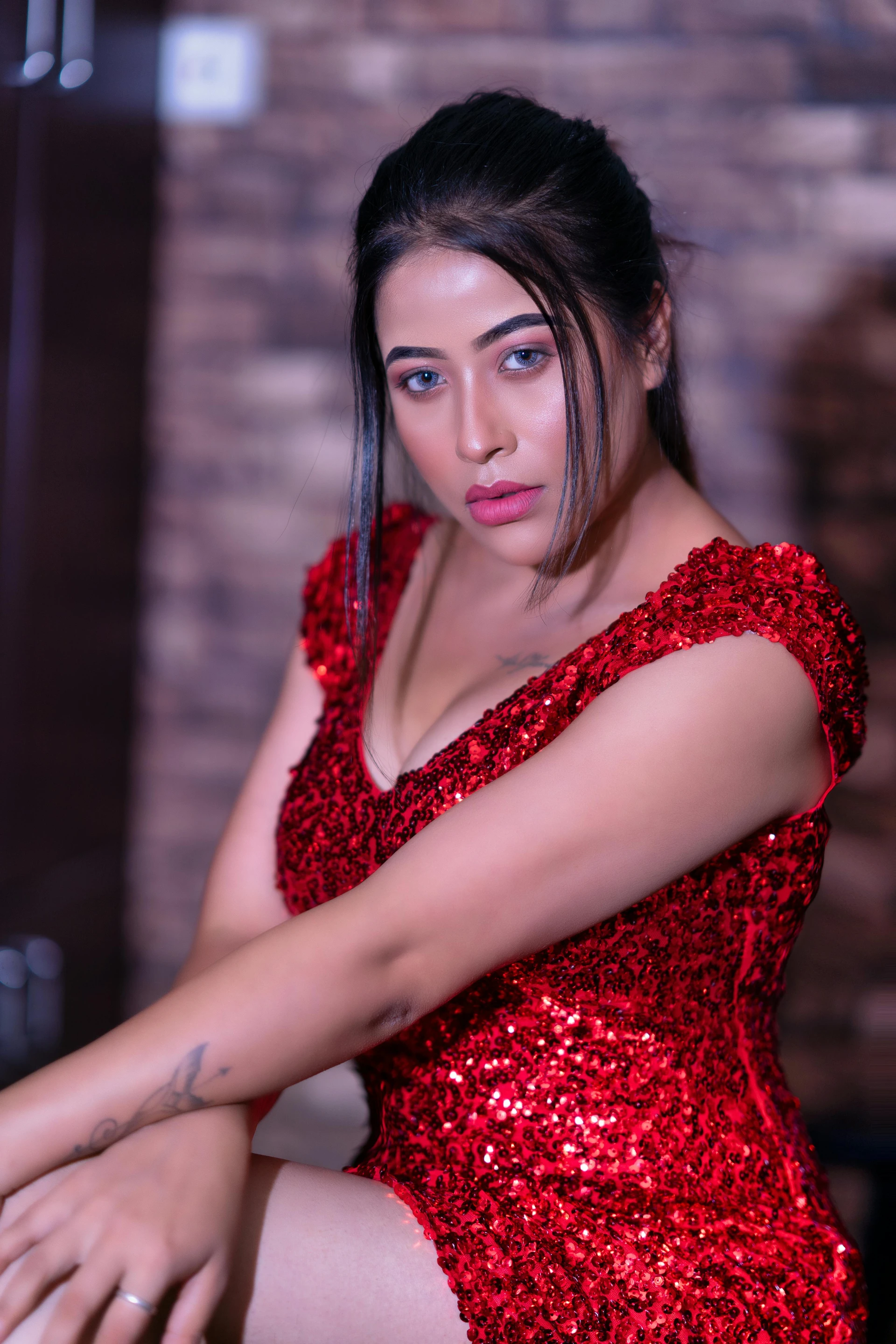 With changes
Choose a lined bodycon with at least 4-way stretch and inner shaper panel. Avoid flimsy unlined versions.
View tutorial→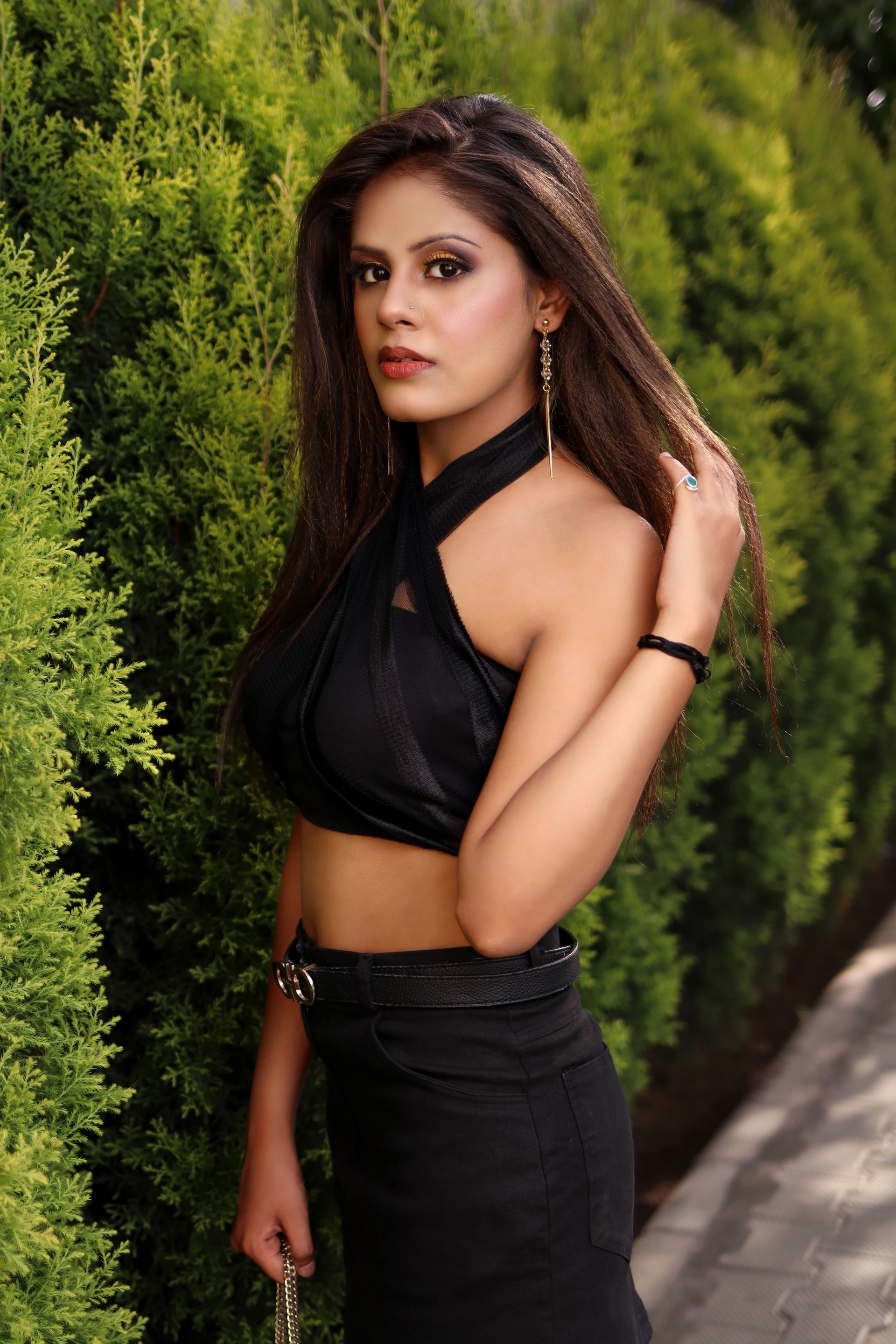 With changes
Look for non-stretch fabric halters with wider cross straps. High-waist trouser or skirt is mandatory to anchor the crop at the right point.
View tutorial→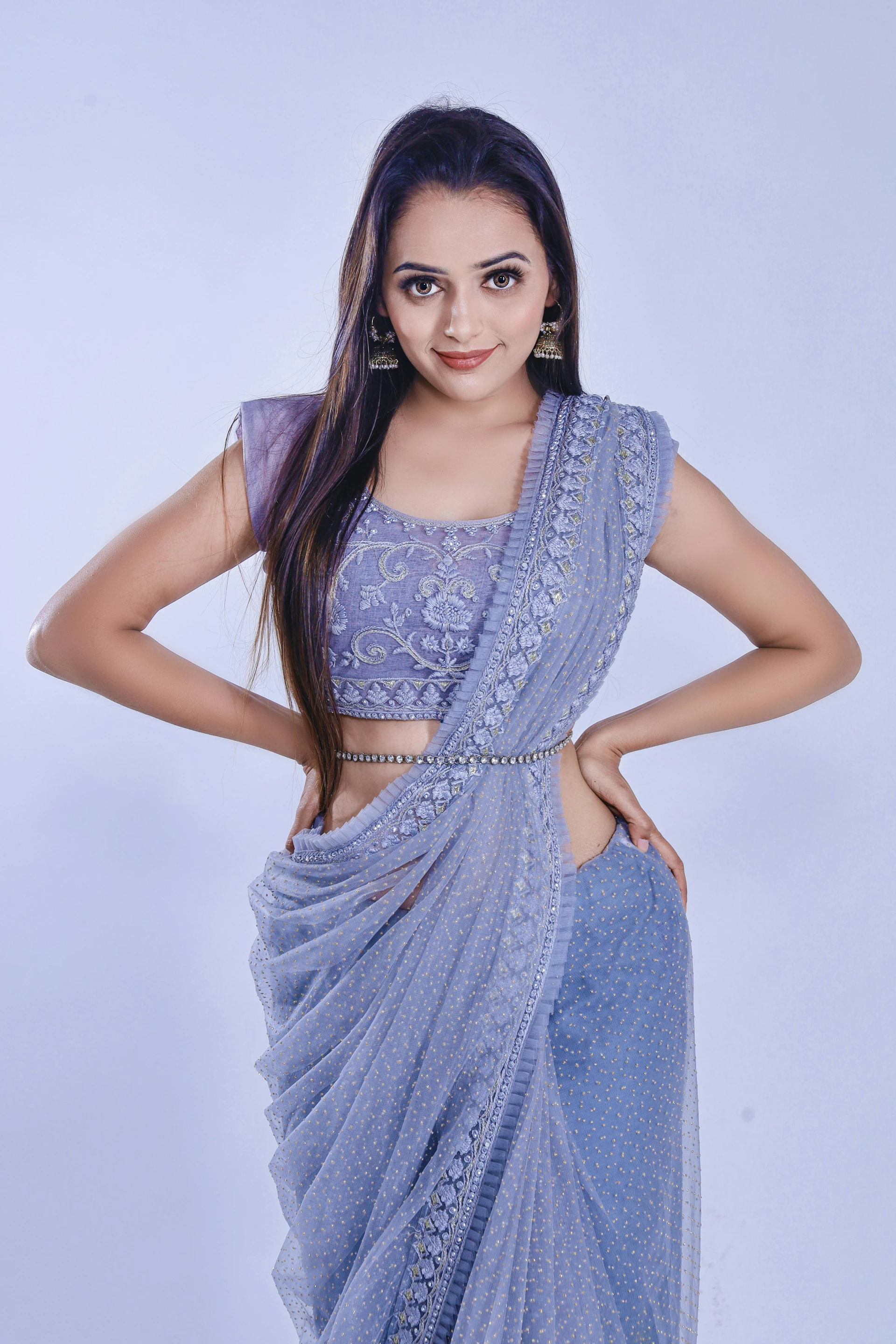 With changes
Get blouse stitched with a fitted waist seam. Pin the pallu at the natural waist, not the hip. The fabric skims curves without clinching.
View tutorial→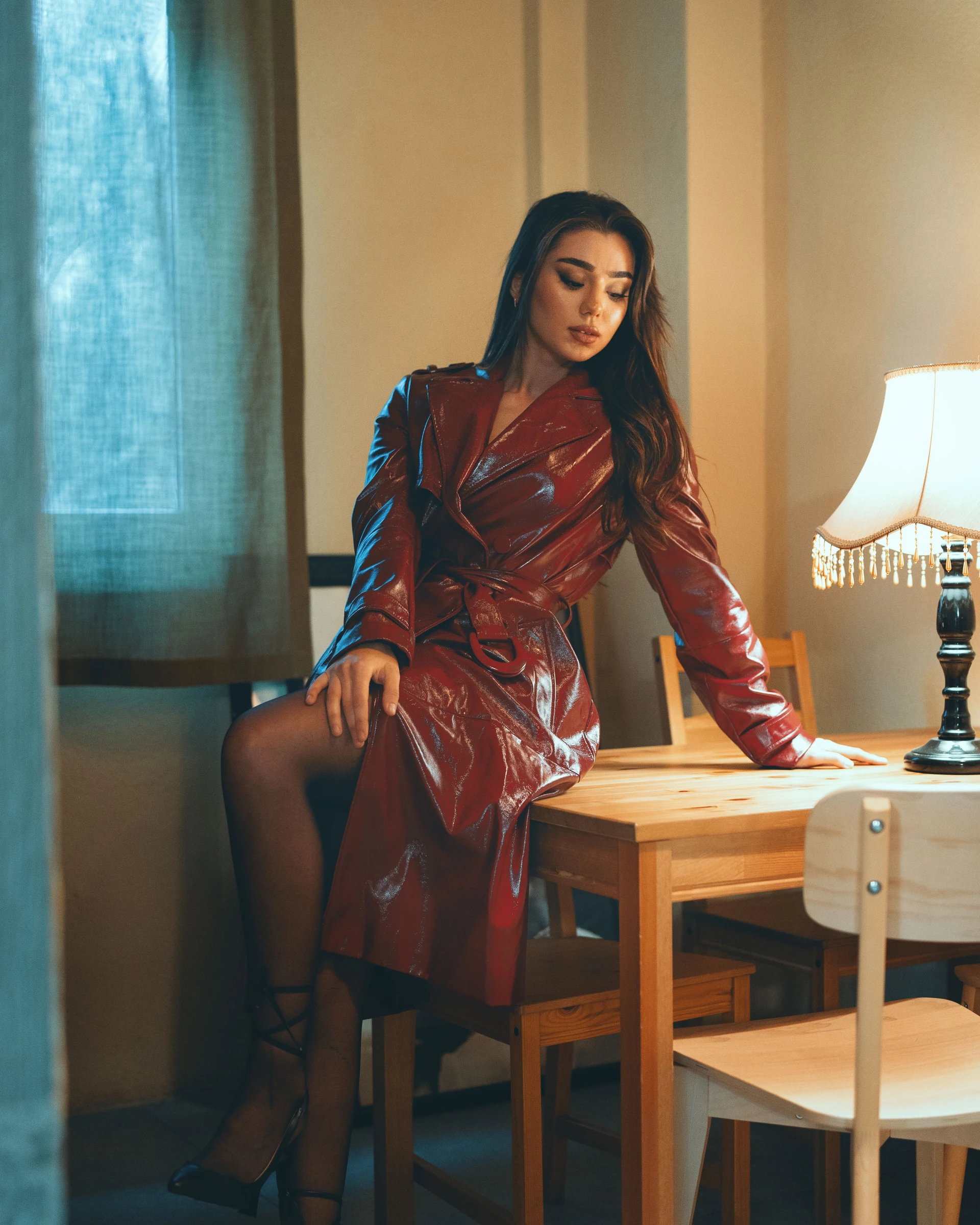 With changes
Size to your bust and shoulder measurement, and have a tailor add half an inch at the back hip seam if it pulls when seated — patent leather has zero stretch give.
View tutorial→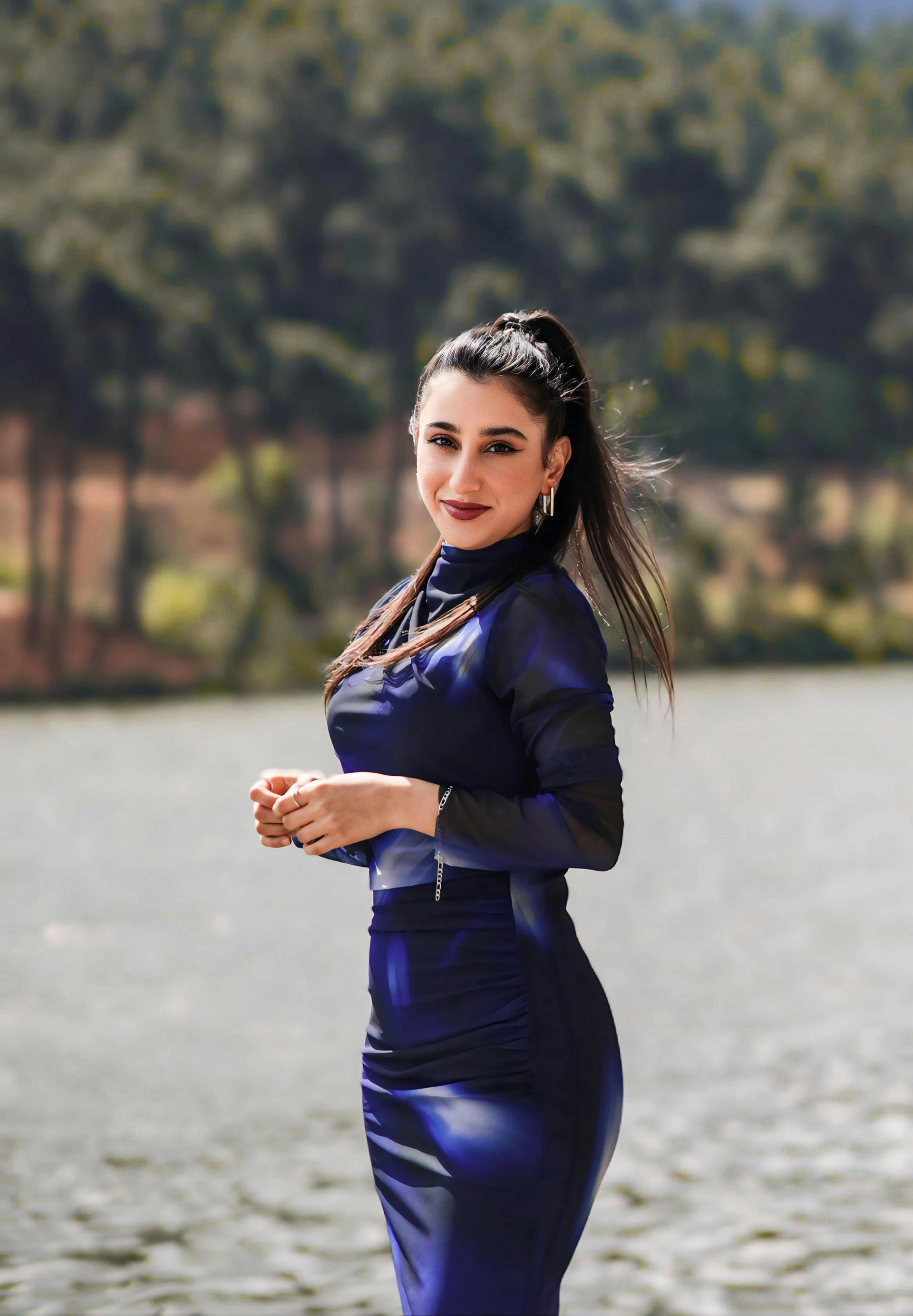 With changes
Size up one size from your usual measurement chart so the waist ruching has slack to gather rather than stretch flat — a tailor can take in the bust seam if needed without touching the waist shaping.
View tutorial→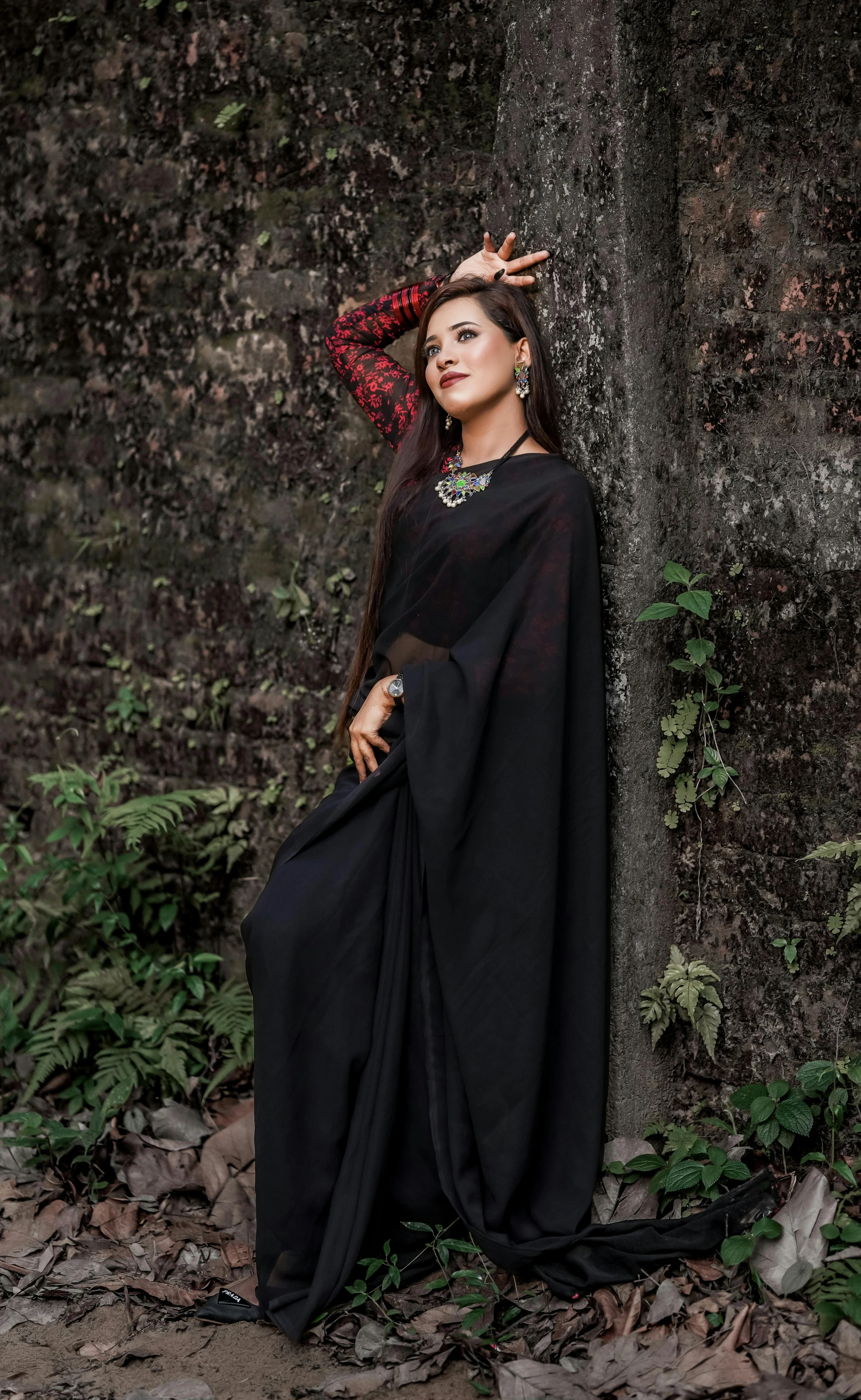 With changes
Have the blouse tailored (₹200). Drape saree so pleats are flat at the stomach.
View tutorial→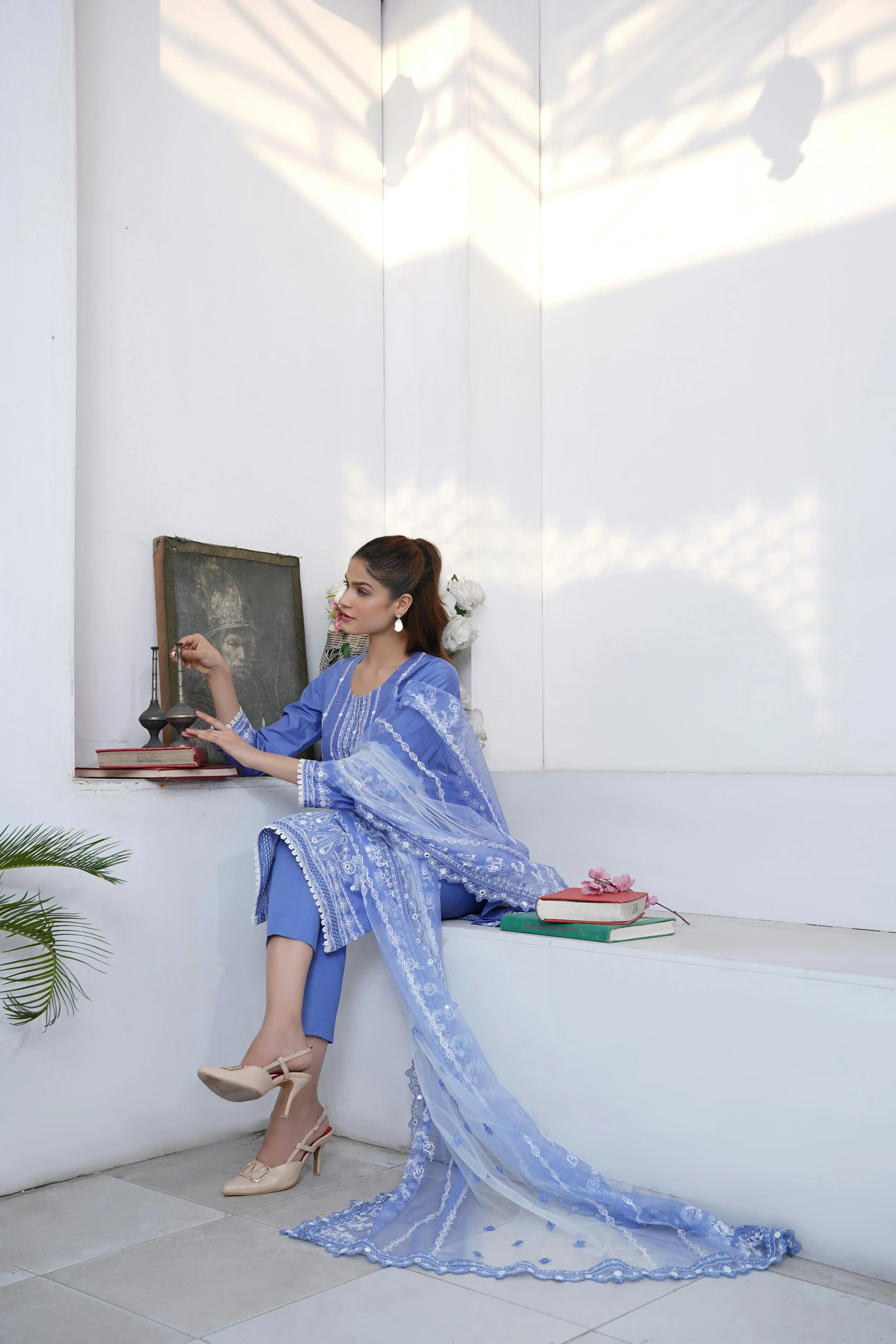 With changes
Choose A-line kurta version; keep dupatta drape as-is
View tutorial→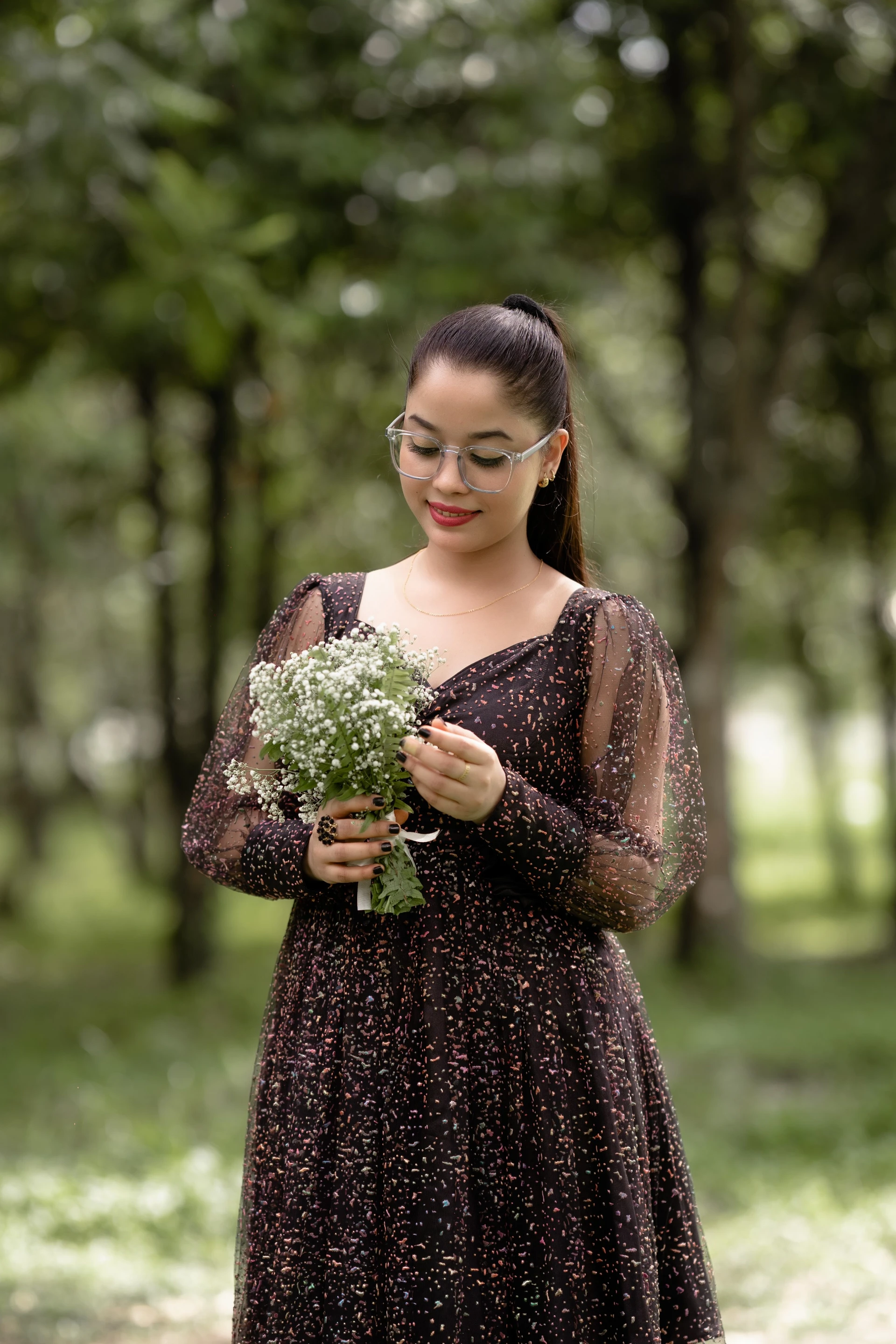 With changes
The A-line is one of the best silhouettes for this body type. Key check: waist seam must sit at the natural waist — not the belly, not the hip.
View tutorial→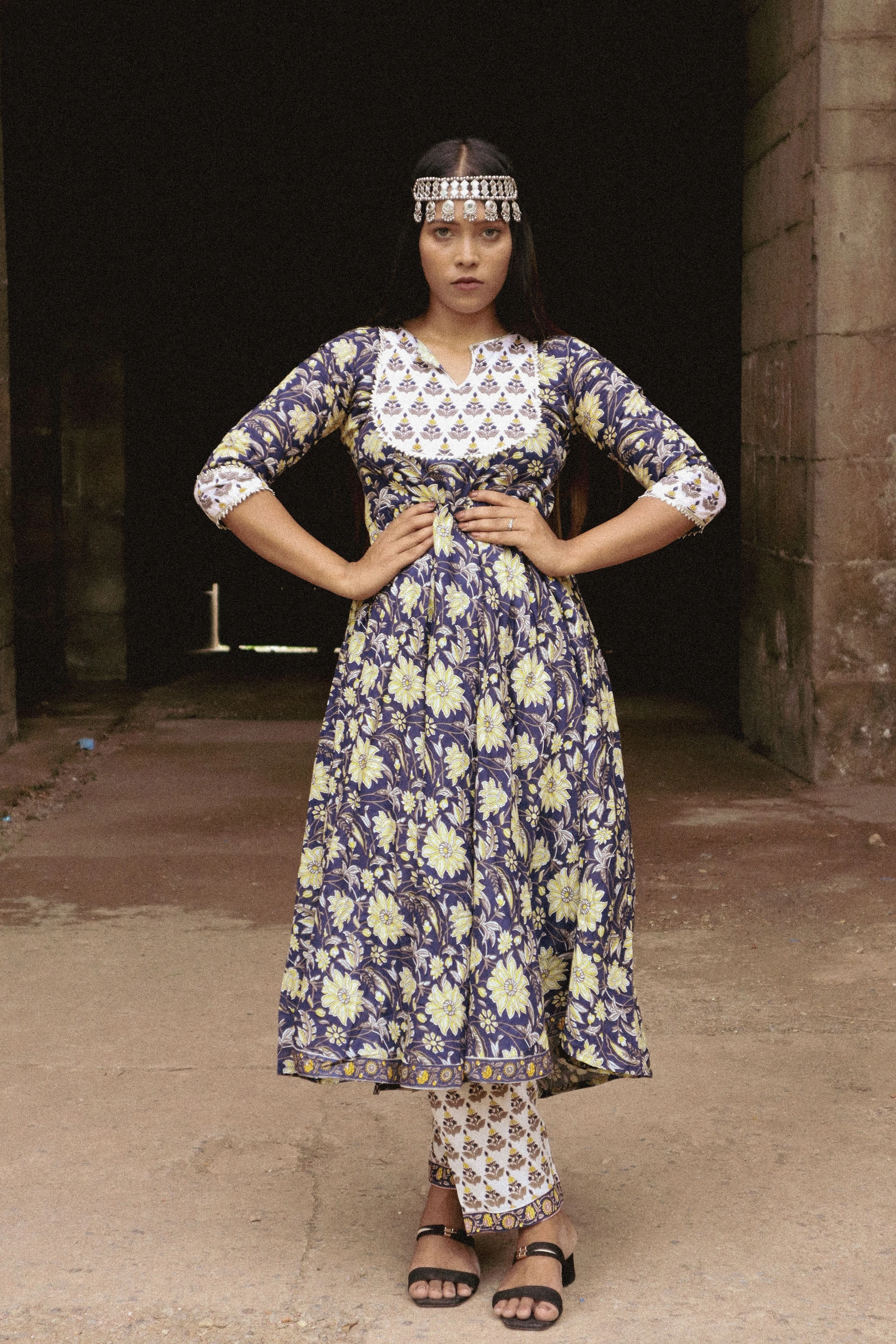 With changes
Choose georgette over stiff cotton. Size to the bust measurement; waist can be taken in for ₹200–₹350.
View tutorial→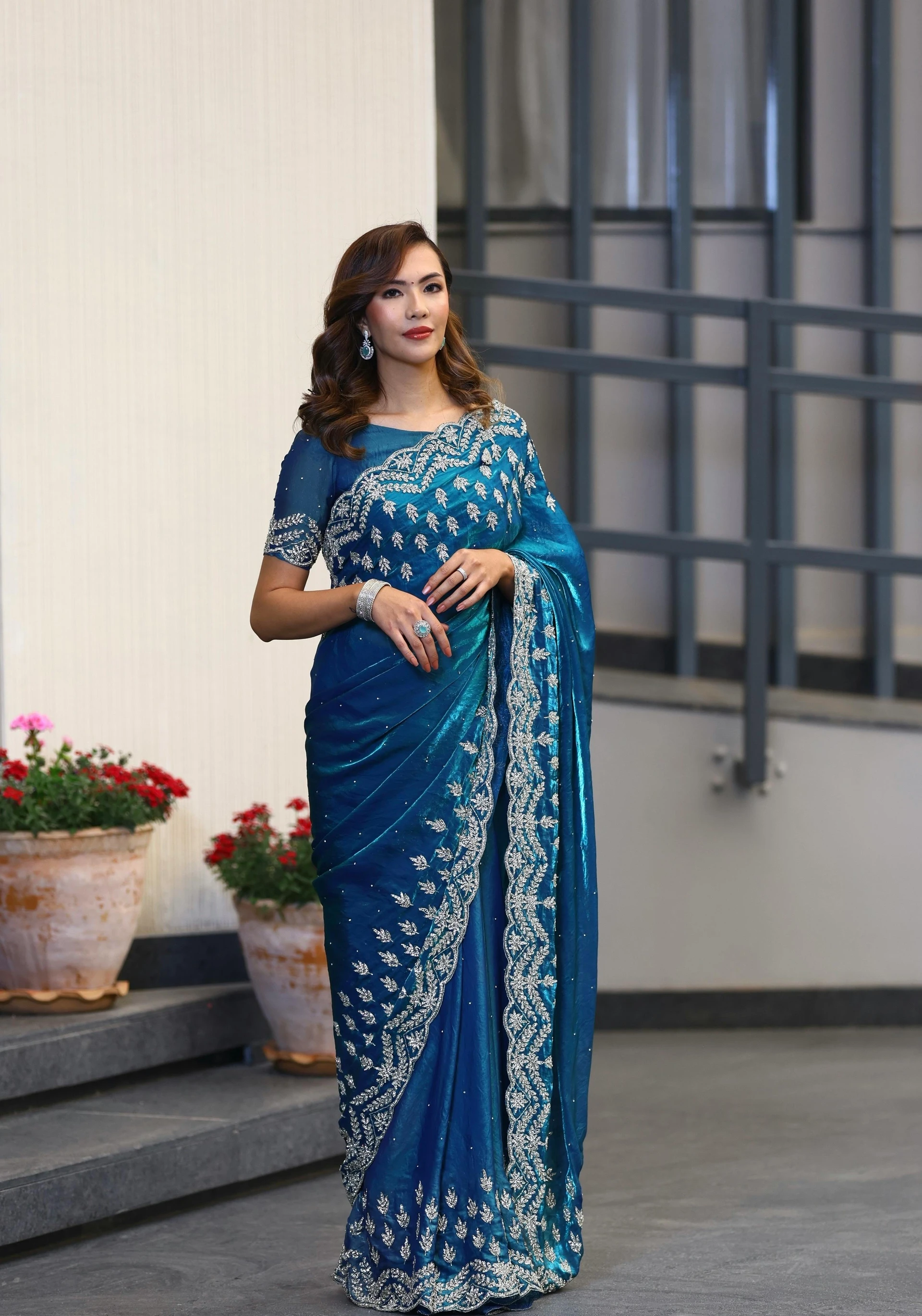 With changes
A tailor-fitted blouse is essential here — off-the-rack blouses at a smaller size will pull across the bust and gap between the hooks, showing the bra and creating horizontal stress lines. The saree drape itself is universally forgiving.
View tutorial→ With changes
Look for styles with side or center ruching — it gathers fabric inward at the waist without tailoring. Size to your hips, not your waist.
View tutorial→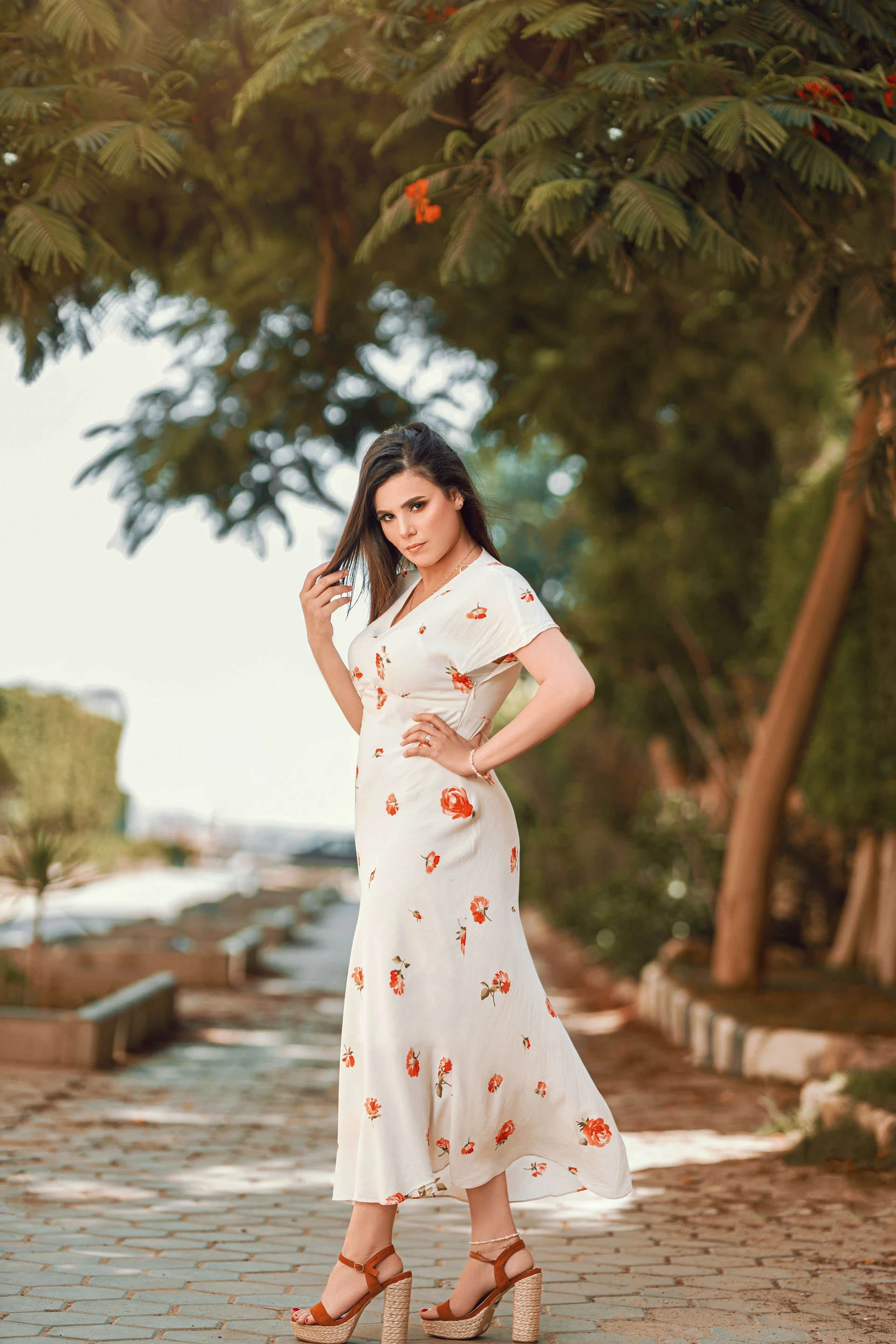 With changes
Size to the bust and have the waist seam taken in by 2–3 cm — RTW cuts in this silhouette run straight from bust to hip, removing the proportion advantage. Choose a version with a defined waist seam, not elasticated.
View tutorial→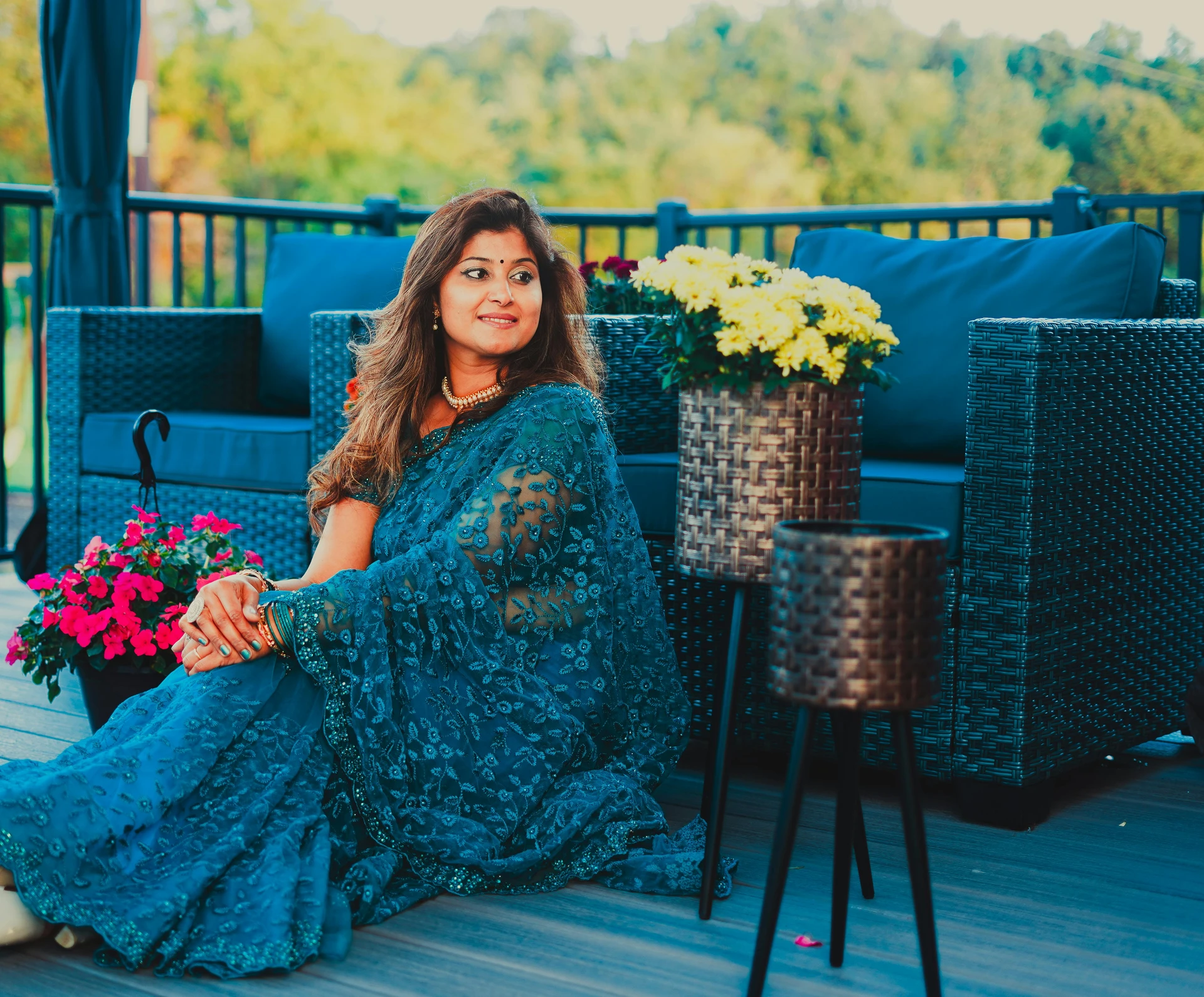 With changes
Choose double-net or georgette underlay to prevent sheerness. Keep embroidery on pallu and blouse; avoid hip panels. Custom-stitch blouse.
View tutorial→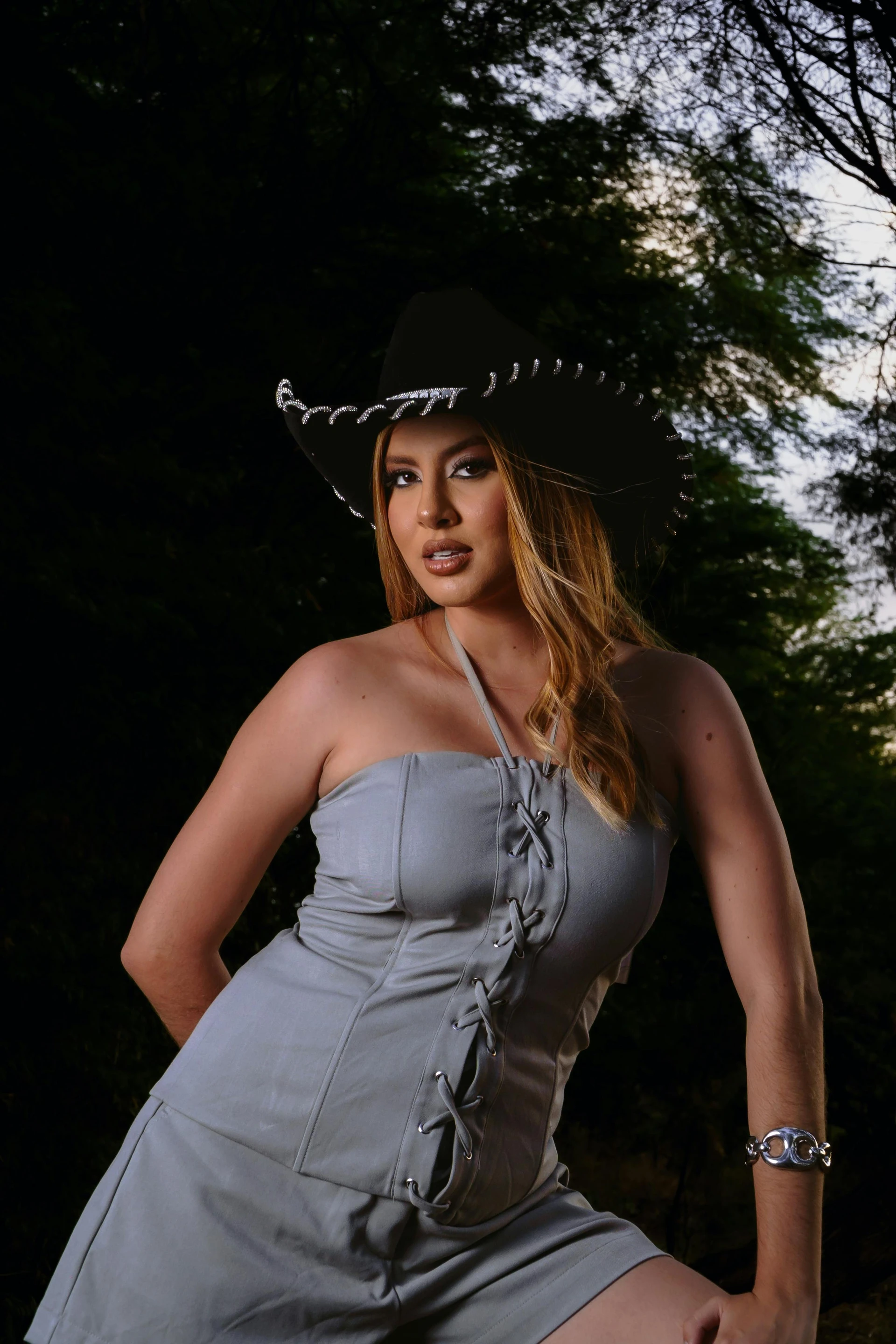 With changes
The lace-up adjusts the waist by up to 15cm — size to the bust first. Never size down; a too-small chest zone creates visible horizontal pressure folds that work against the boning's vertical shaping effect. Go up if between sizes.
View tutorial→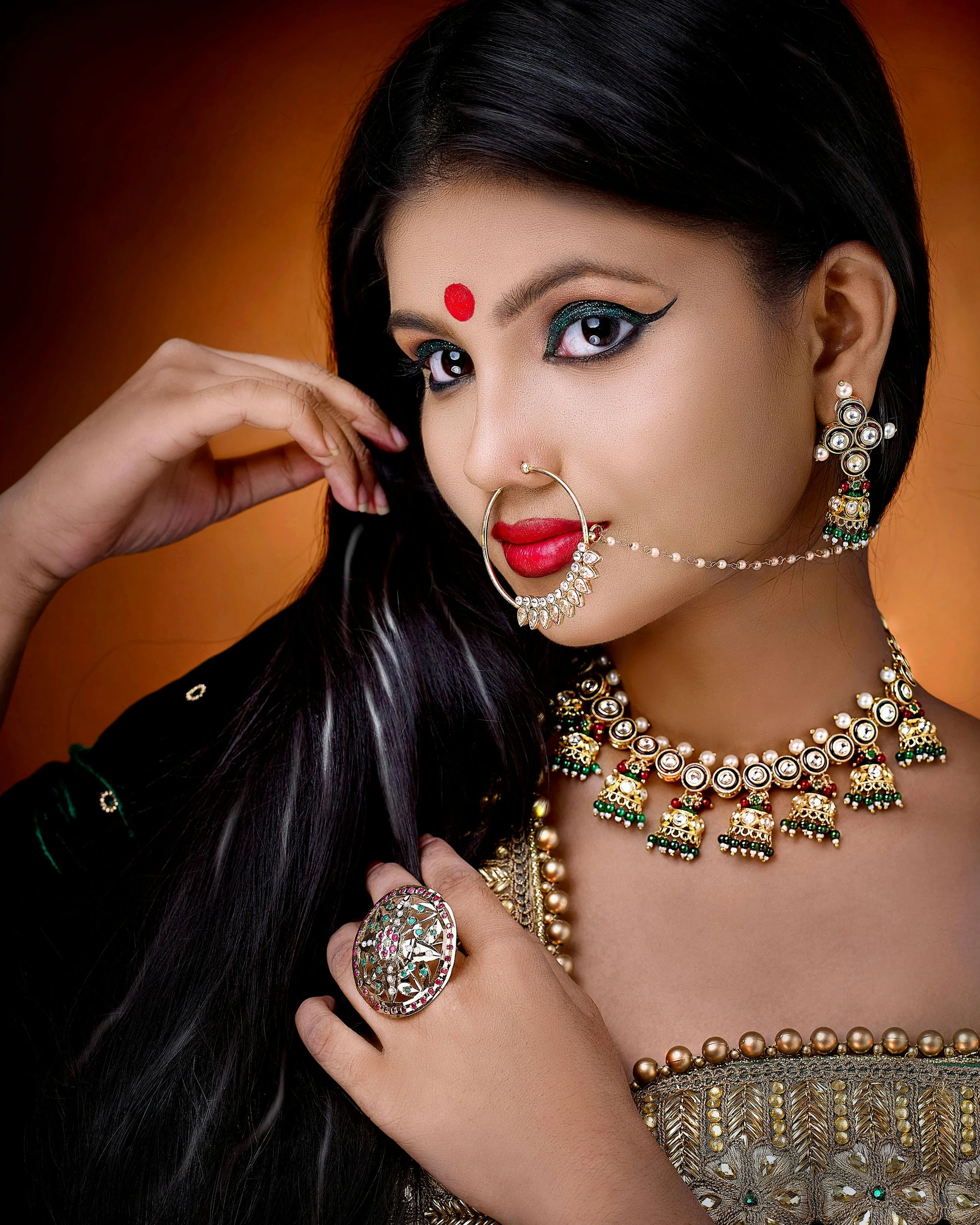 With changes
Contour the jawline before placing the necklace. A soft shadow along the jaw creates space between the face and choker, preventing the necklace from appearing to sink into the neck.
View tutorial→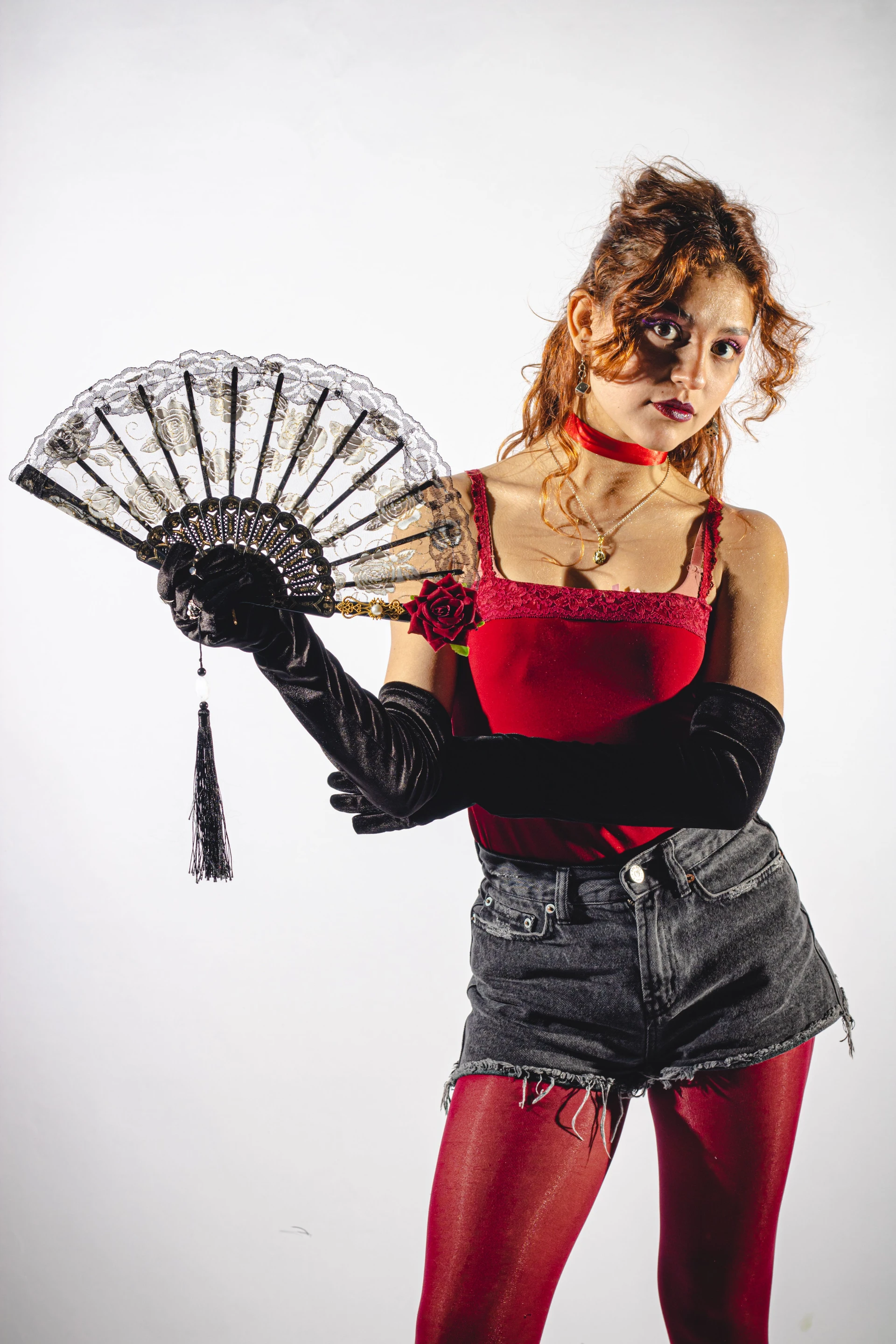 With changes
Choose a cami with built-in boning or underwire and size up by one. High-waist denim shorts are essential — they define the waist point and anchor the look. Avoid stretchy velvet that clings.
View tutorial→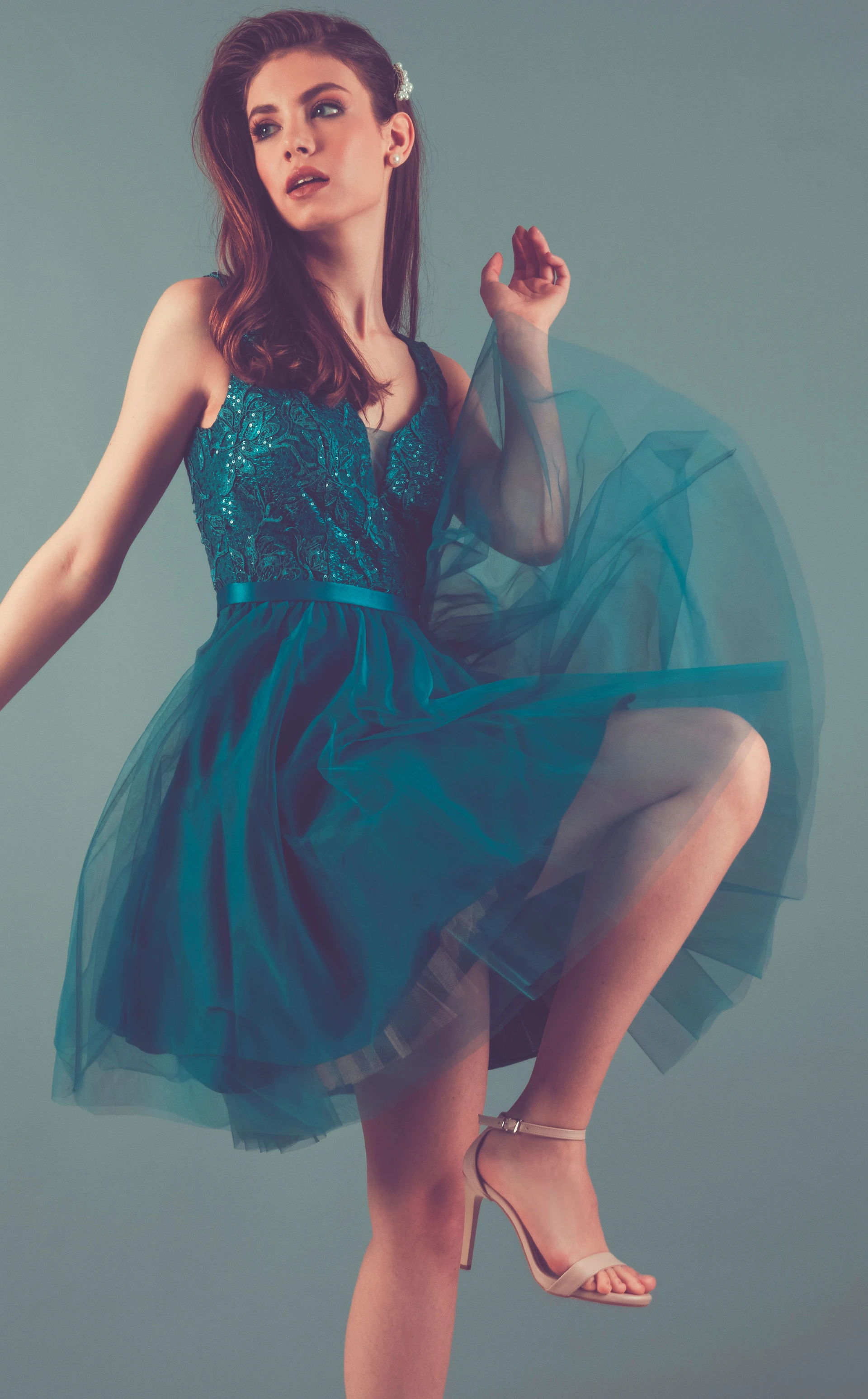 With changes
Size the dress to your bust circumference — this is the critical measurement for the structured bodice. Choose a version with soft flowing tulle layers rather than stiff netting: fluid layers drape past the hip rather than sit around it. Confirm the ribbon sits at your true natural waist, not below it.
View tutorial→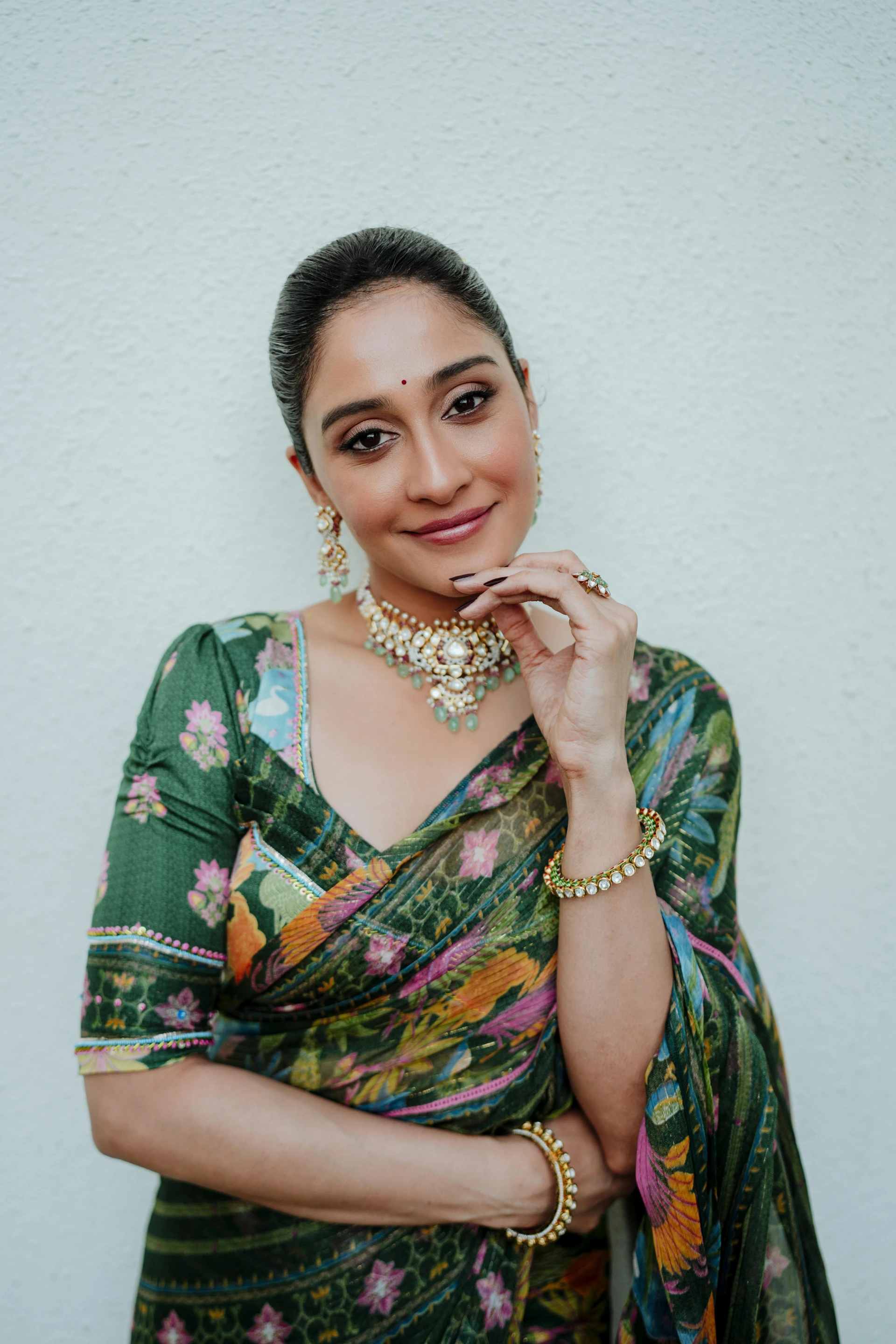 With changes
Have the blouse tailored to sit smoothly at the underarm with no pulling, and choose organza (not stiffer silk) in this print so the fabric follows the body's natural curve.
View tutorial→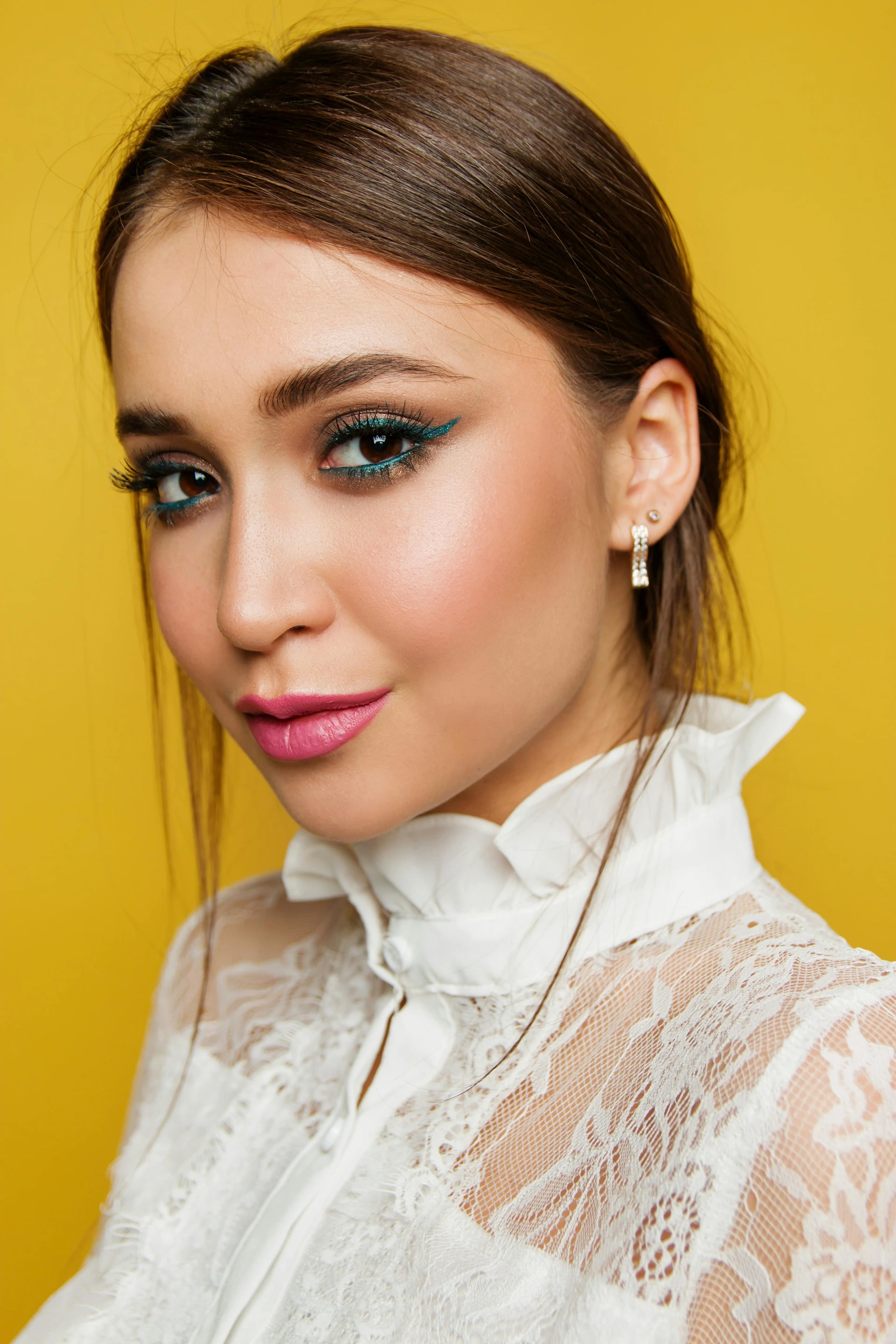 With changes
Apply blush high on cheekbone peaks and keep the finish luminous and open. Avoid nose contouring — let the liner do all the sculpting work.
View tutorial→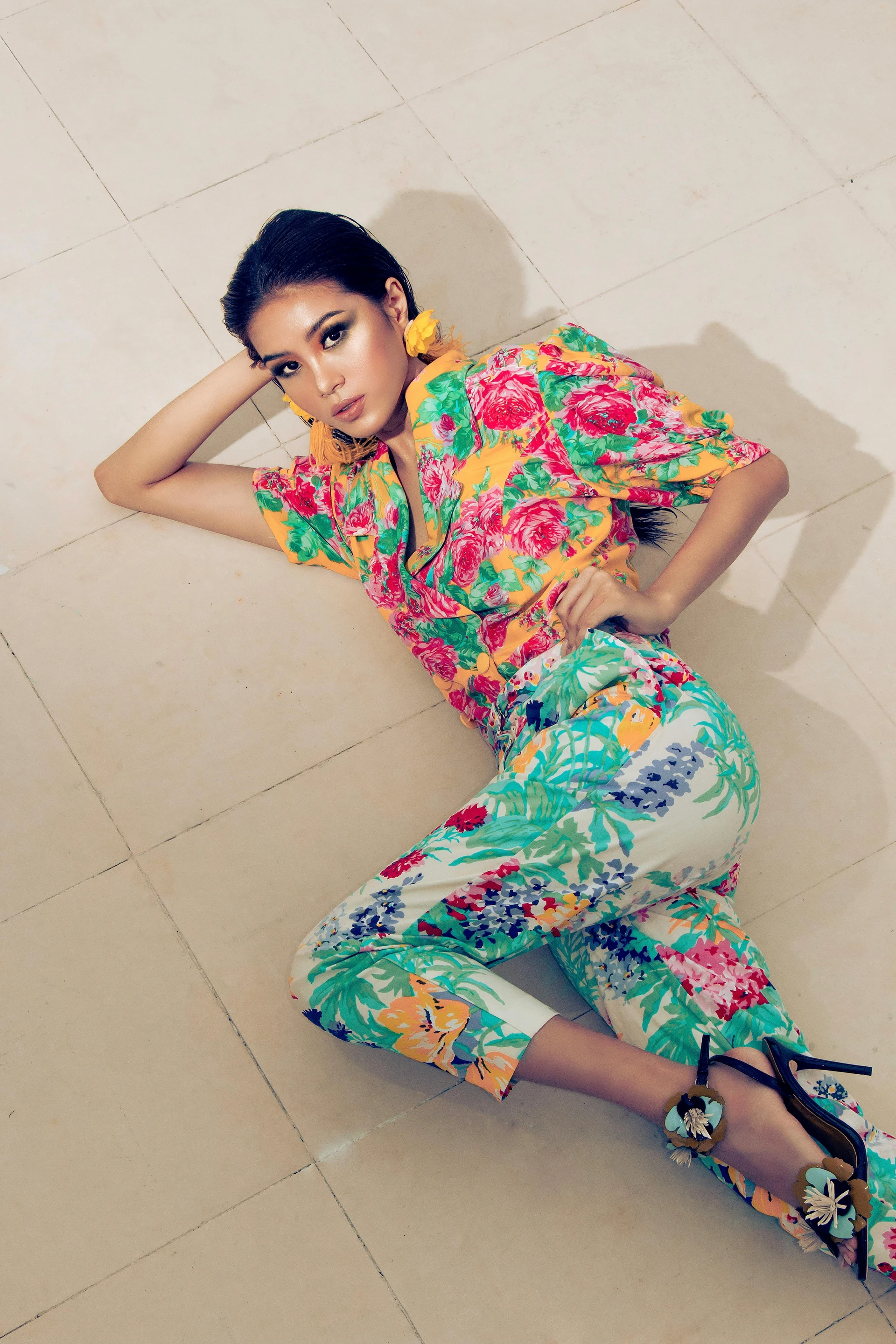 With changes
Wear the floral top with solid wide-leg trousers instead of the matching print bottom. Full co-ord works best when both prints have visual room to breathe.
View tutorial→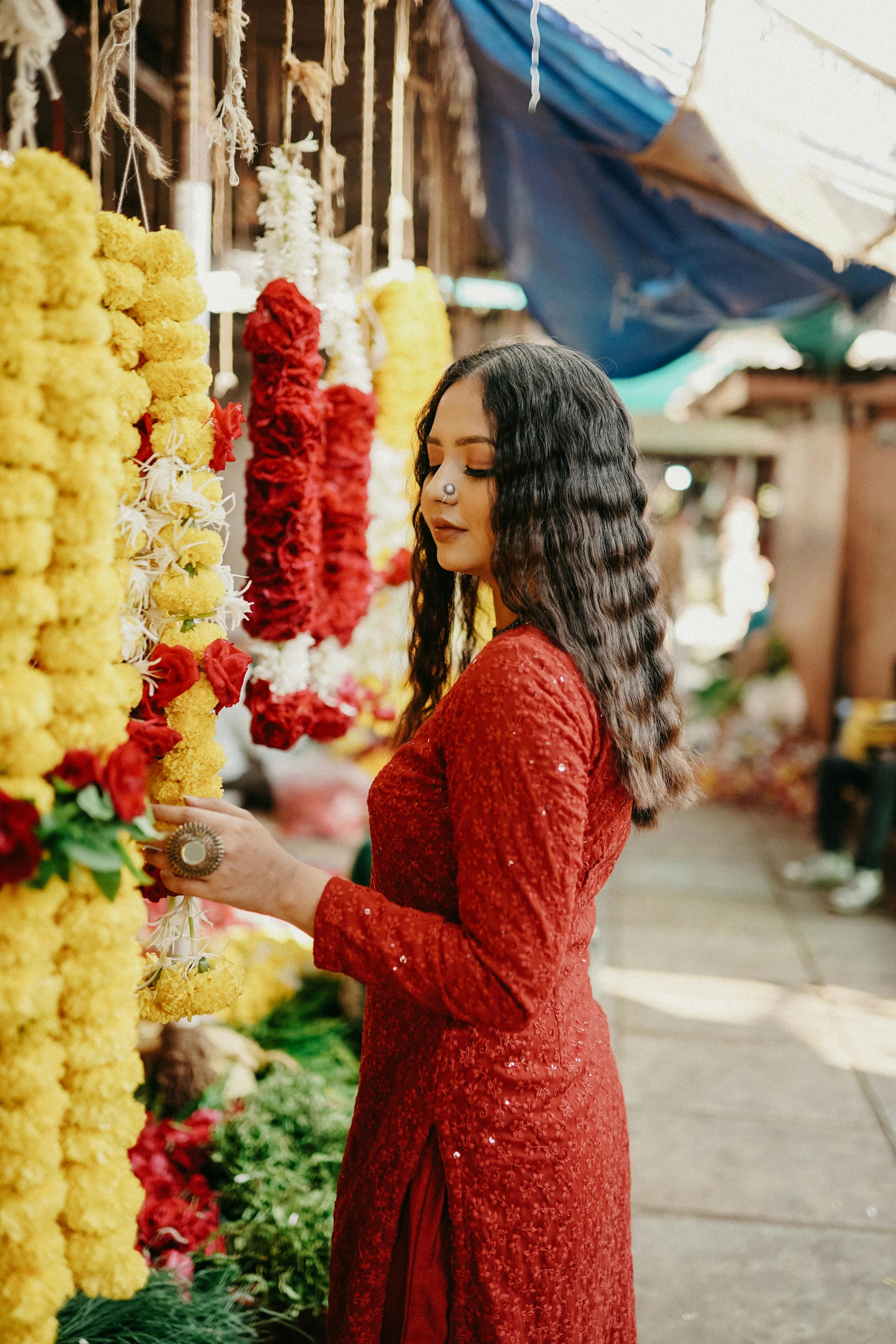 With changes
Size up one; the A-line drape from waist skims the hip. High-waist seamless brief is non-negotiable — waistband lines read through the net trouser.
View tutorial→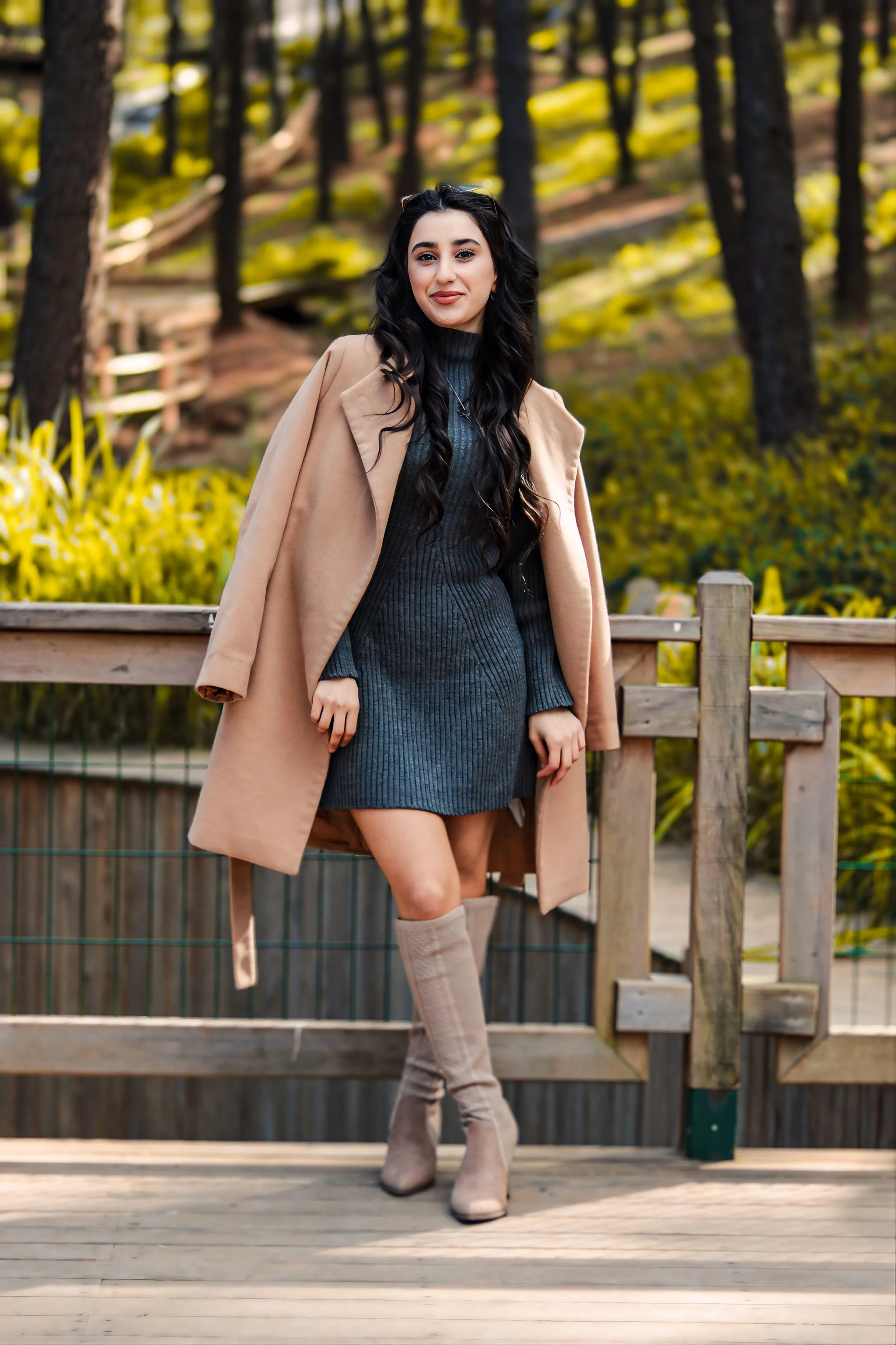 With changes
Size the dress up one for a skim rather than cling fit, and never belt the coat — let it hang fully open.
View tutorial→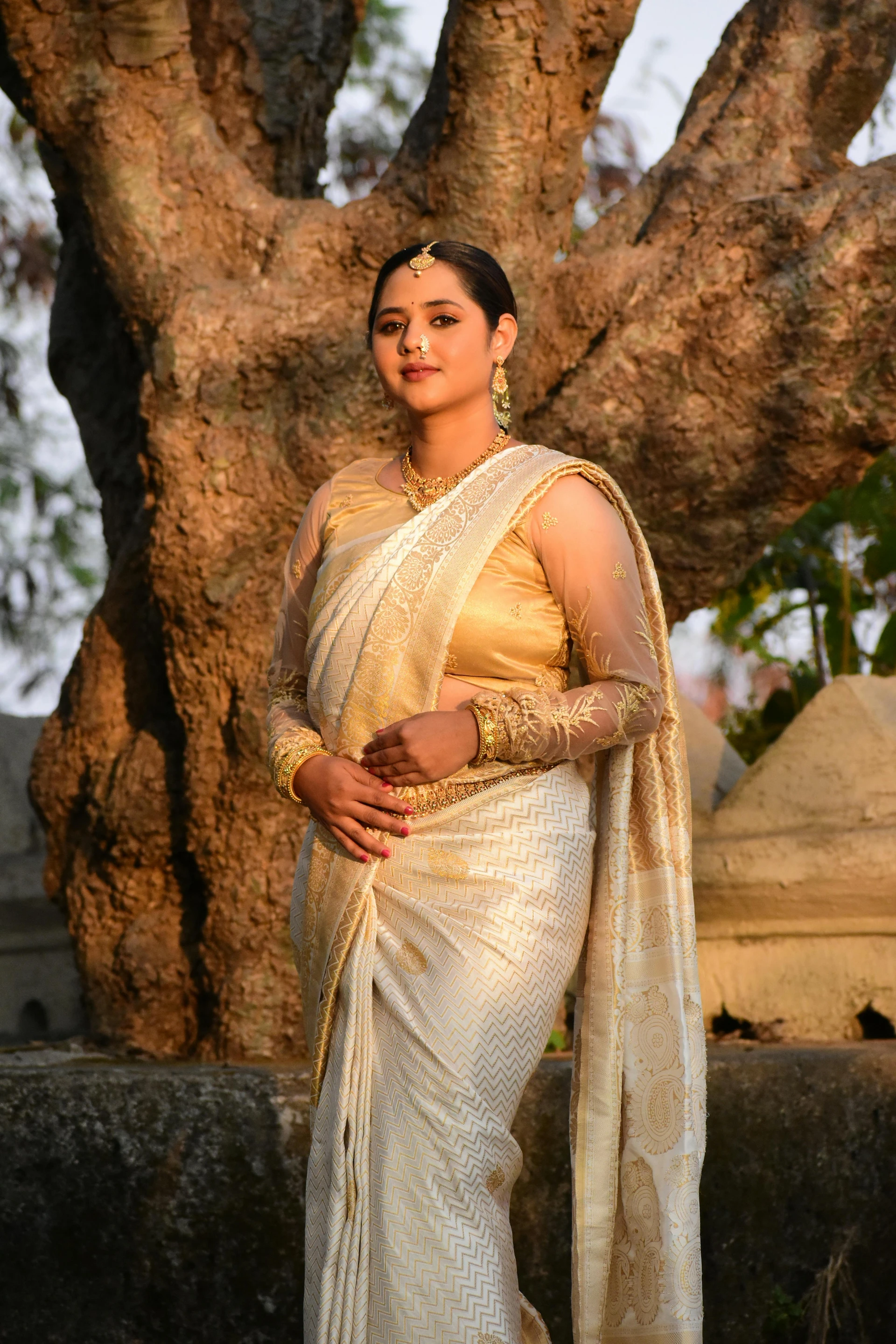 With changes
Choose georgette over stiff fabric — it drapes smoothly. Ensure pleats are pinned tight at the waist, not loose.
View tutorial→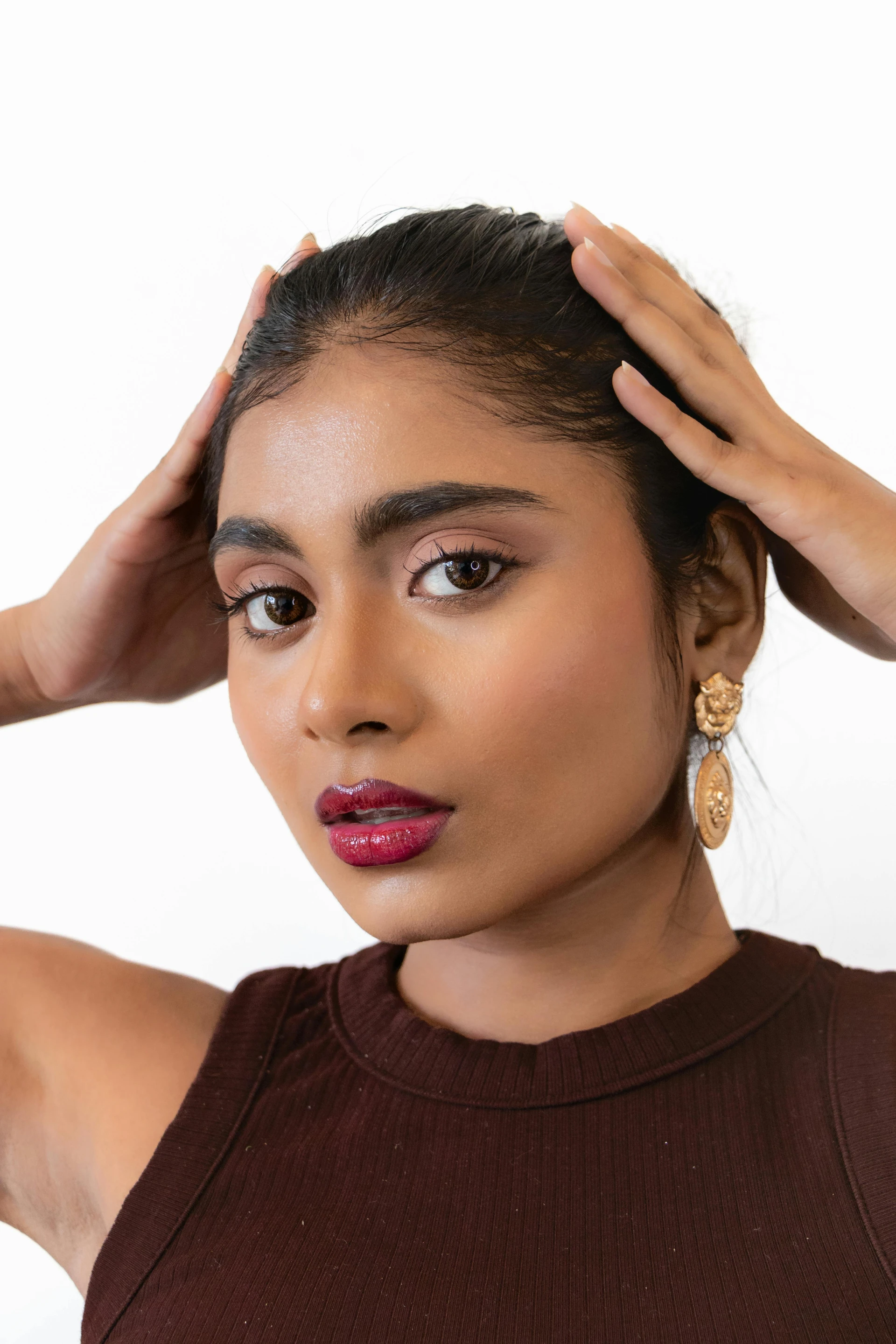 With changes
Add a touch of contour under the cheekbones (one shade darker pressed powder). The luminous skin and berry lip already shift focus to the face naturally.
View tutorial→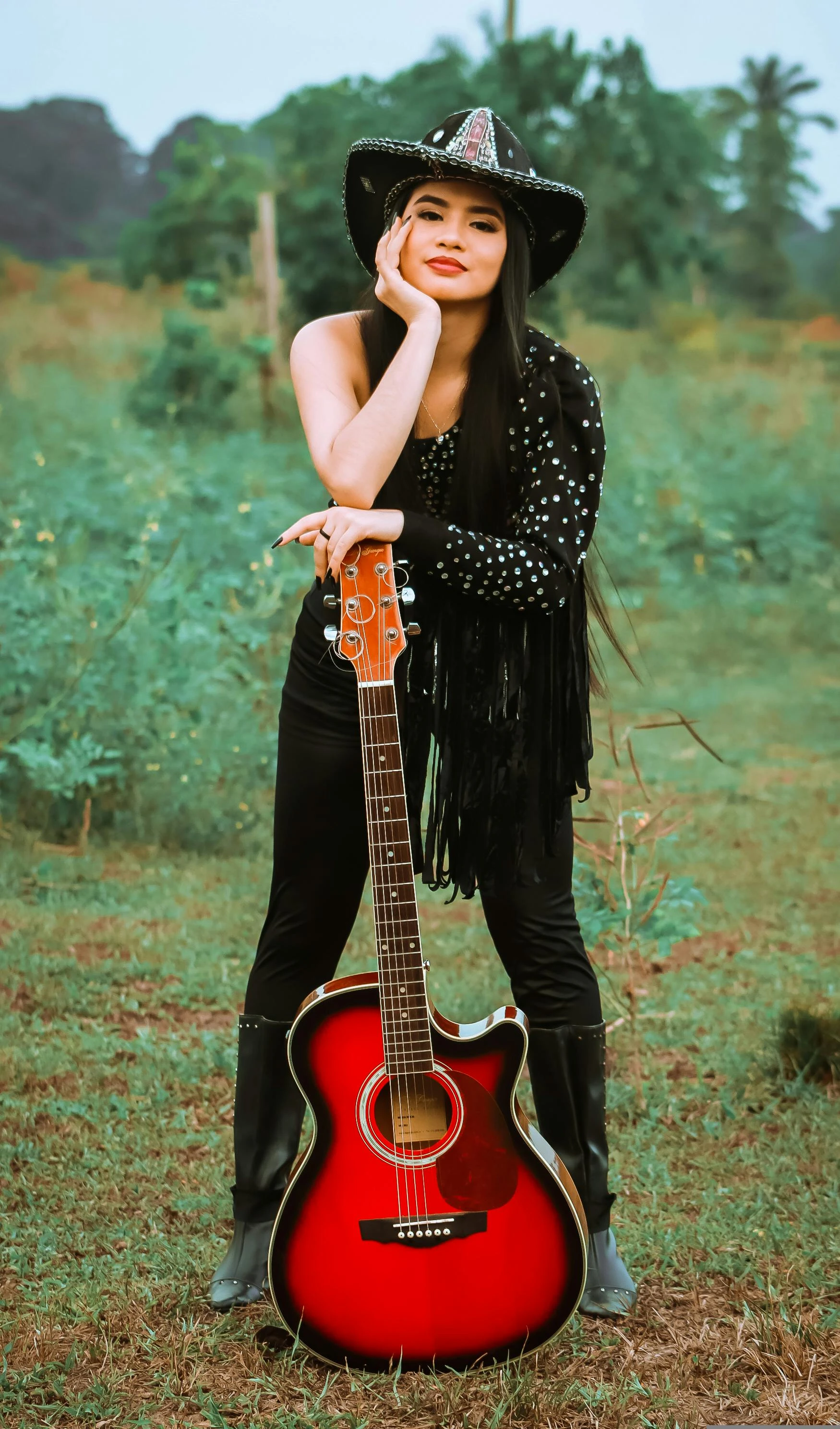 With changes
The jacket must sit flat across the chest — if the stud pattern distorts from pulling, open it fully and style as an open layer over the cami. The fringe falls vertically past the hips, drawing the eye downward rather than outward.
View tutorial→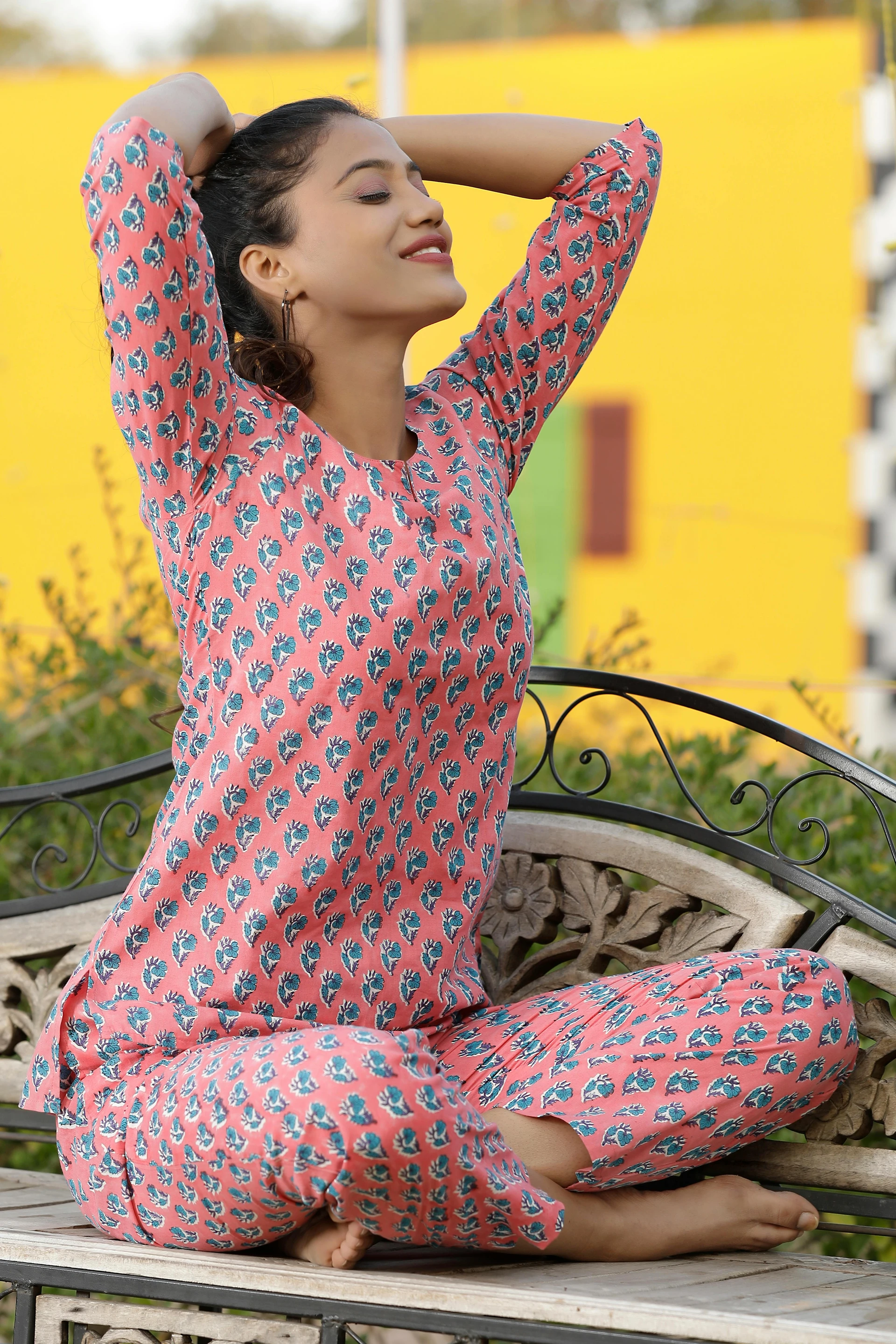 With changes
Size up the kurta by one. Pair with relaxed palazzo, not fitted. The all-over print distributes visual weight evenly across the silhouette.
View tutorial→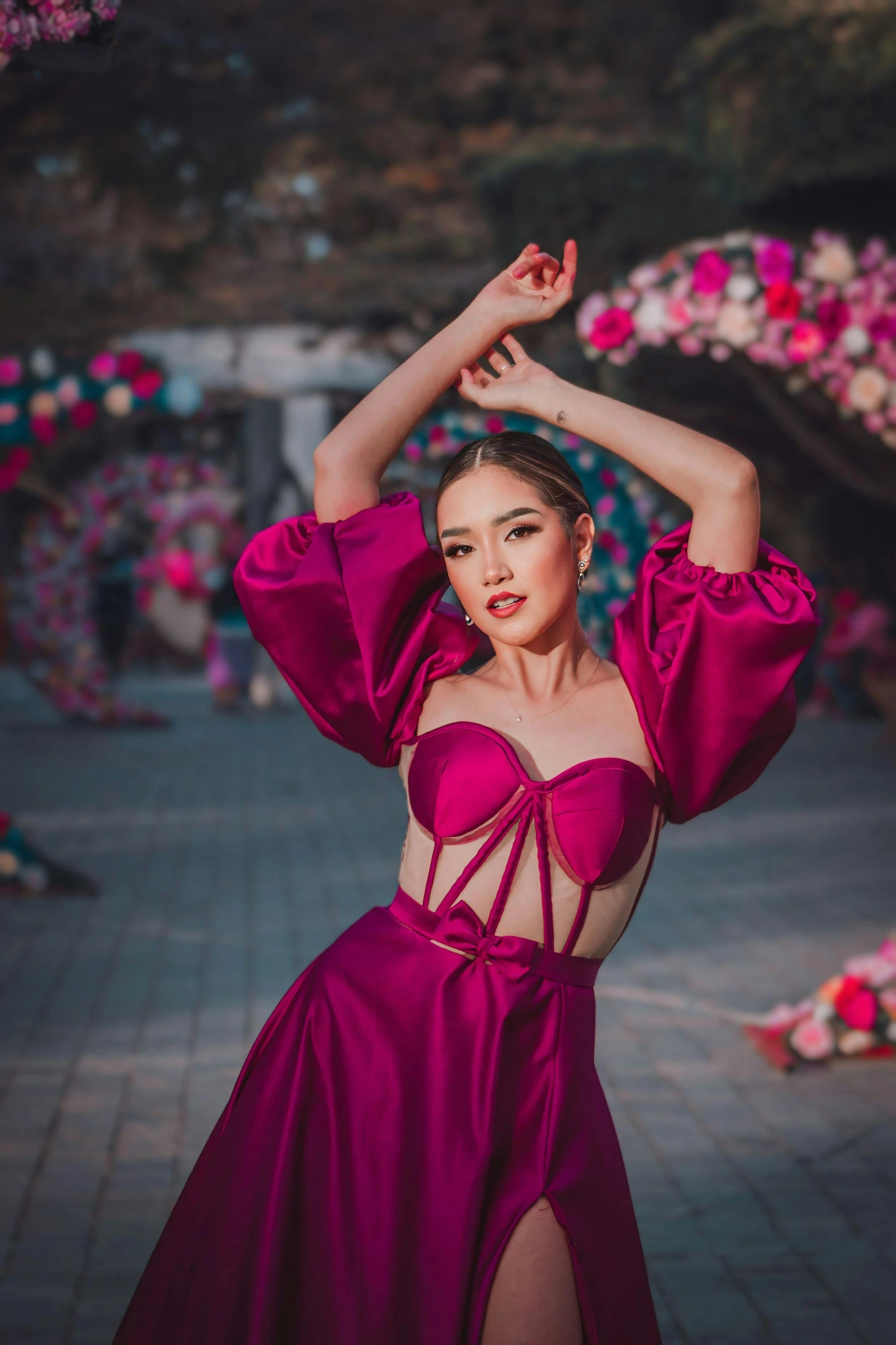 With changes
Order to the bust measurement and let the corset bow straps handle the waist cinch. The potential issue is the cutout midriff panel — if it sits over the fullest part of the stomach, the panel will gap outward under tension. A tailor can reduce the cutout height by 2–3 cm for under ₹500.
View tutorial→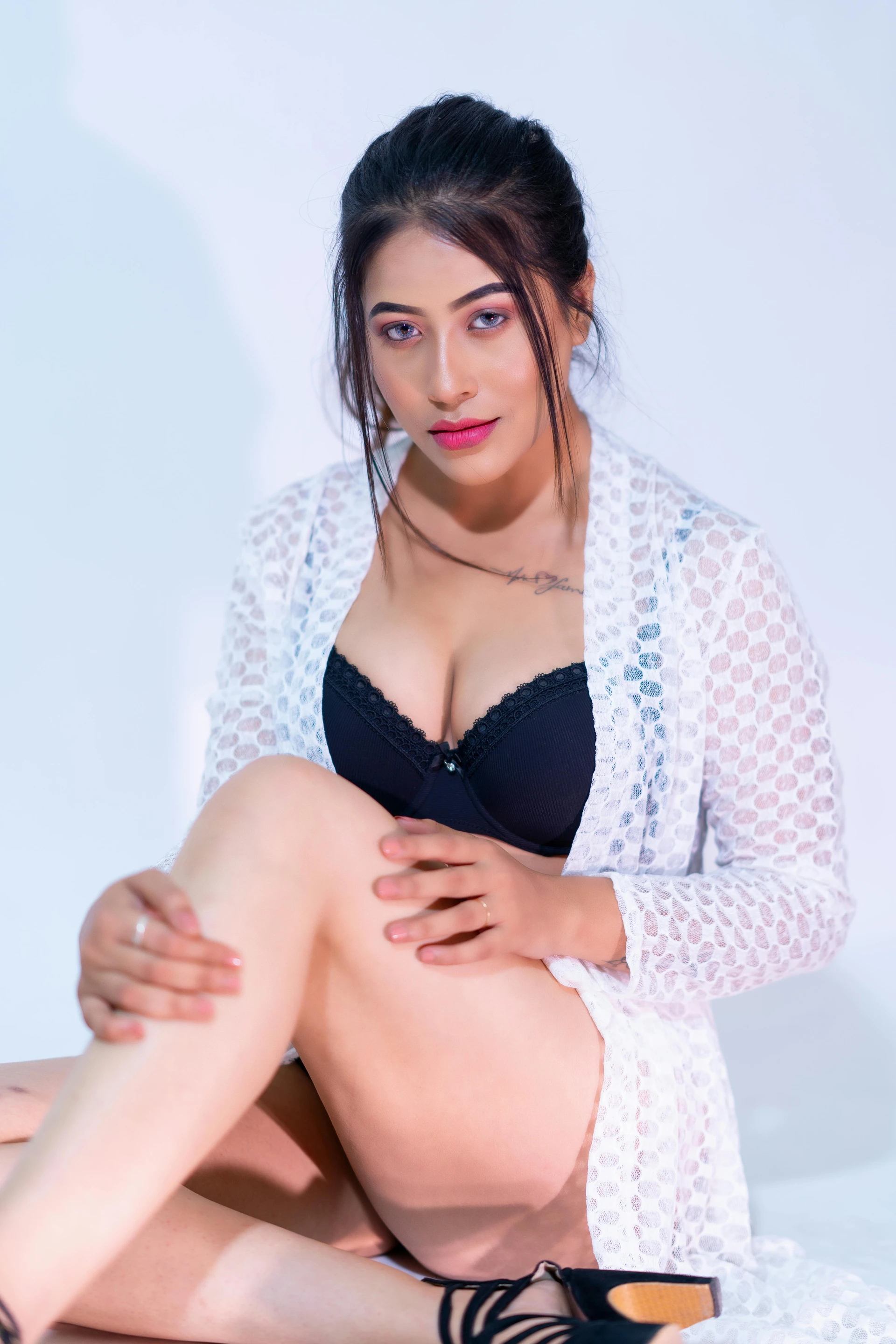 With changes
Order one size up from your usual in the robe so the shoulder seam sits at your shoulder point and the back panel hangs flat. Sheer fabric under tension reads as a fit error on camera. Confirm bra underwire is flat against the ribcage before shooting.
View tutorial→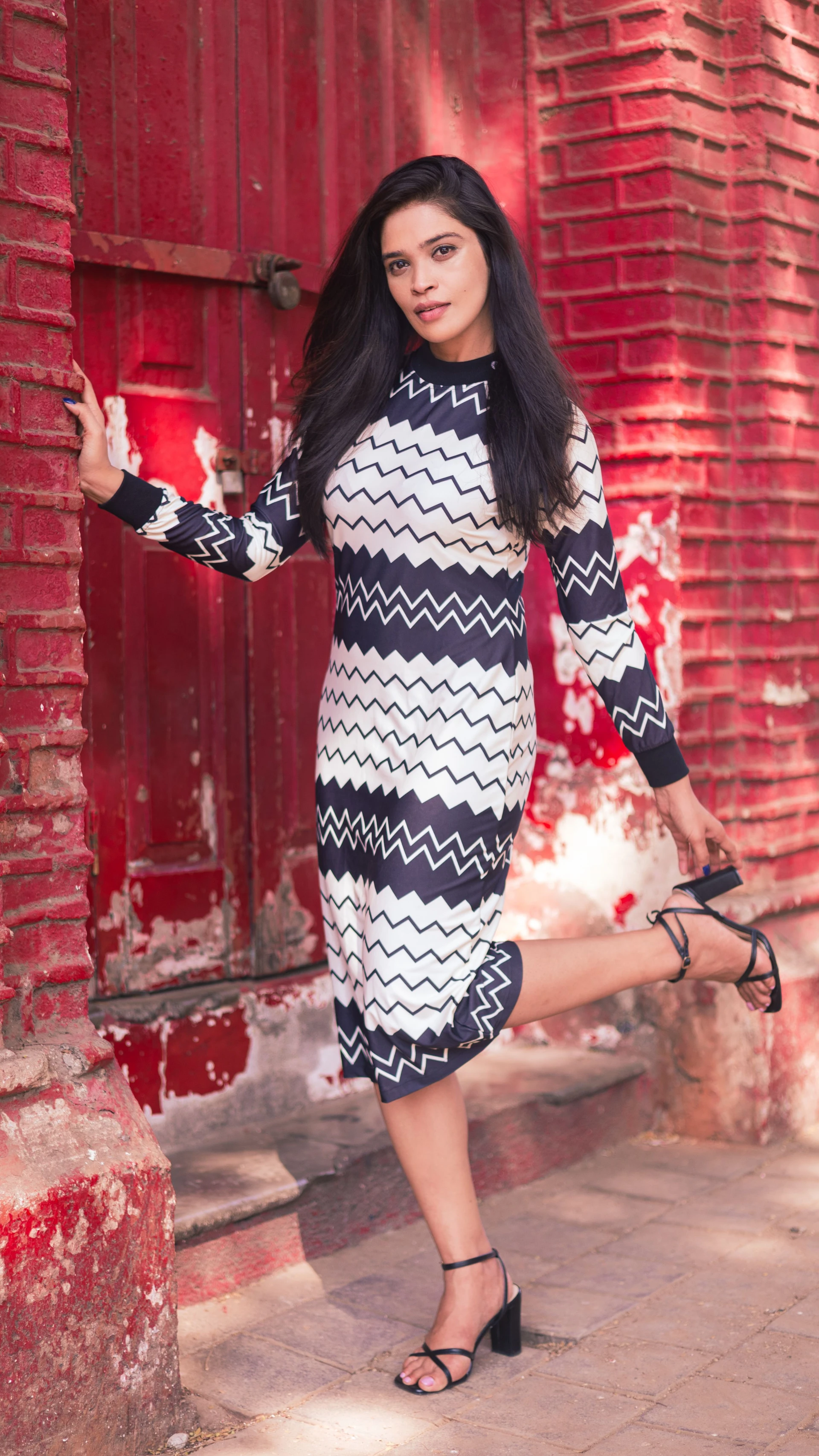 With changes
This look works when the chevron pattern lies flat — size up until the zigzag angles remain clean and sharp at the hip rather than curved. If the dress bags at the torso after sizing up, take it to a tailor to take in the waist seam only.
View tutorial→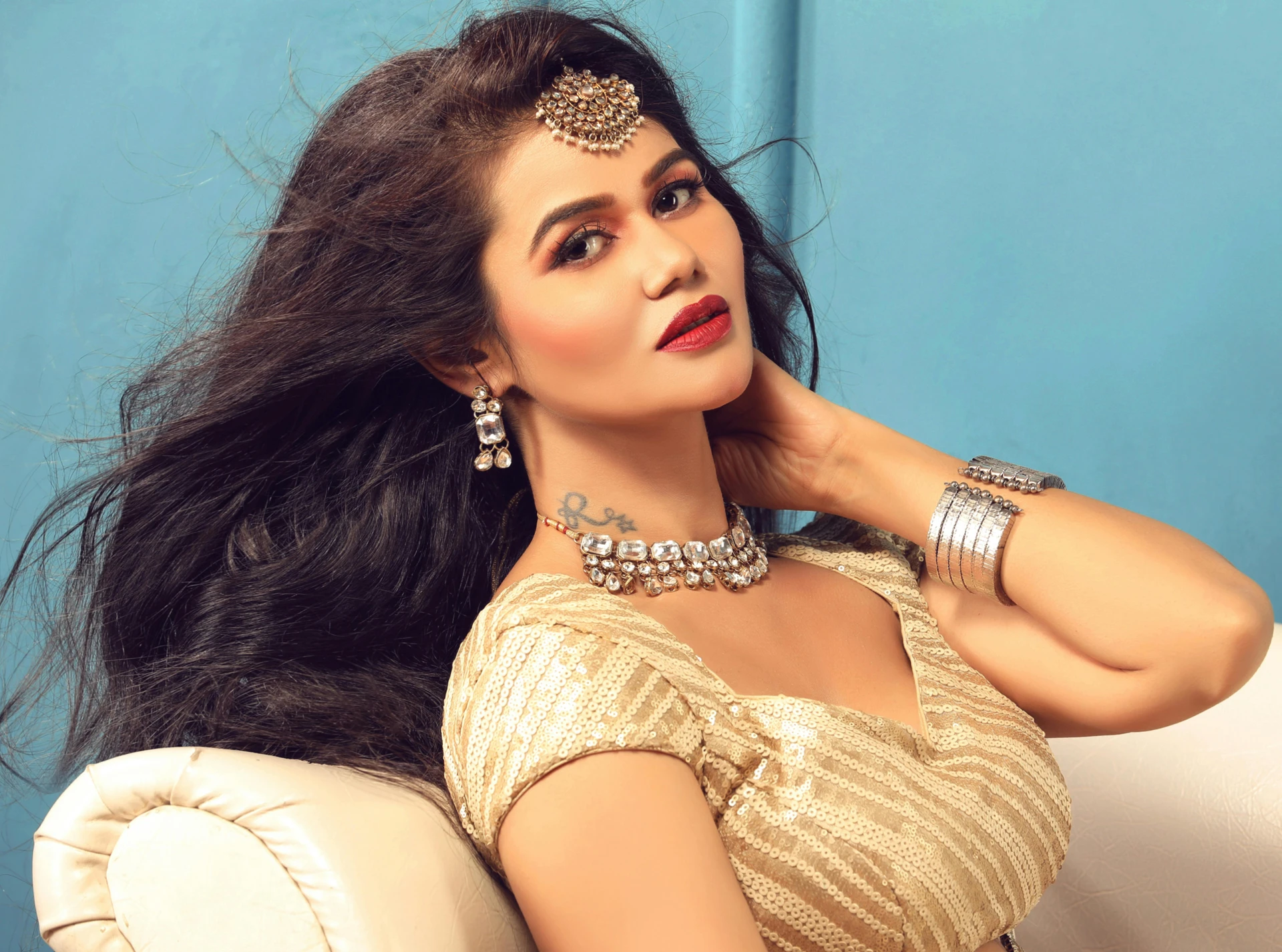 With changes
Choose a blouse with internal boning — soft sequin fabric collapses at the waist when seated. The arm-raised pose draws the eye to face and jewellery, making body proportions secondary.
View tutorial→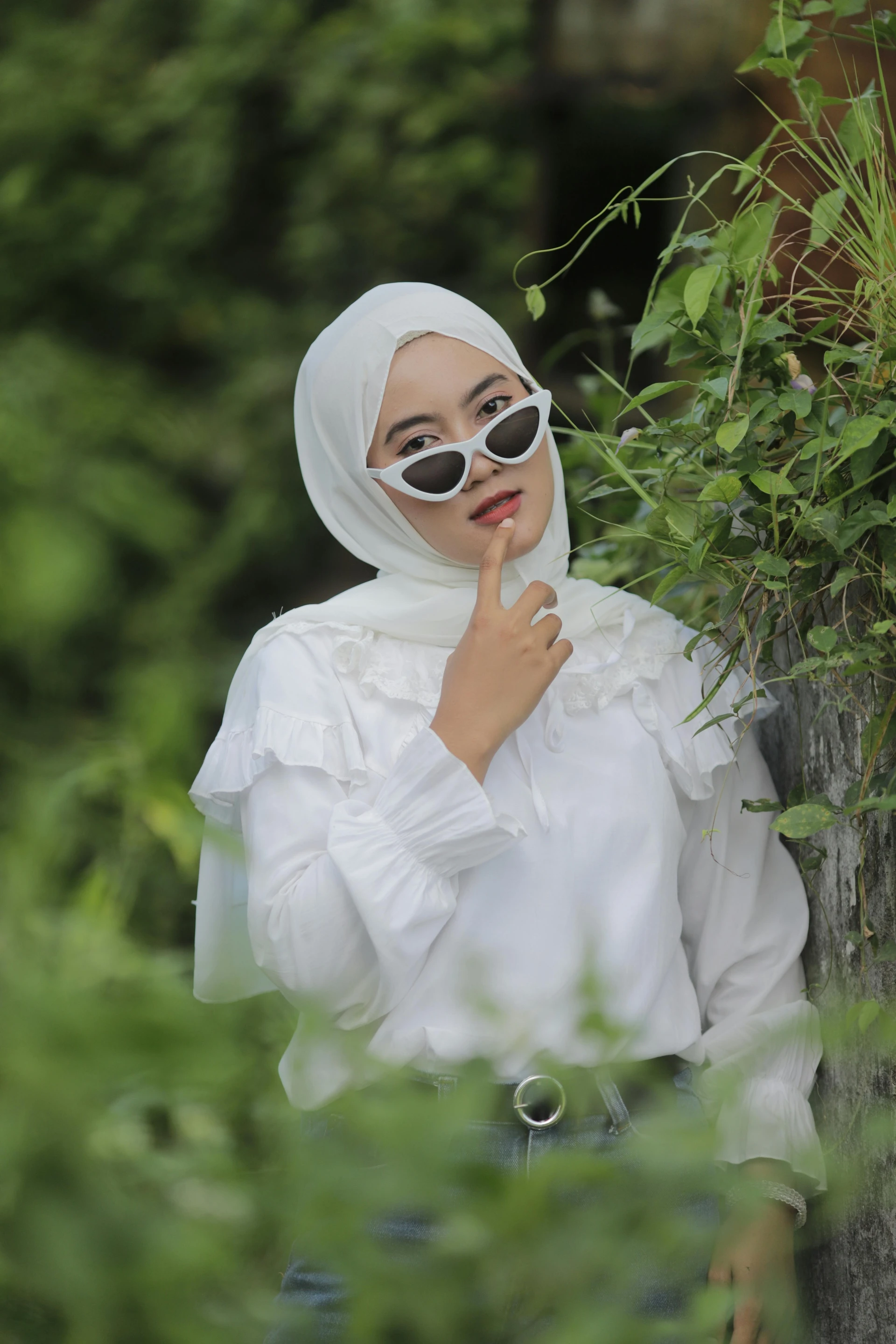 With changes
Add a thin belt at the natural waist to define the silhouette. Keep the hijab pinned close to the face.
View tutorial→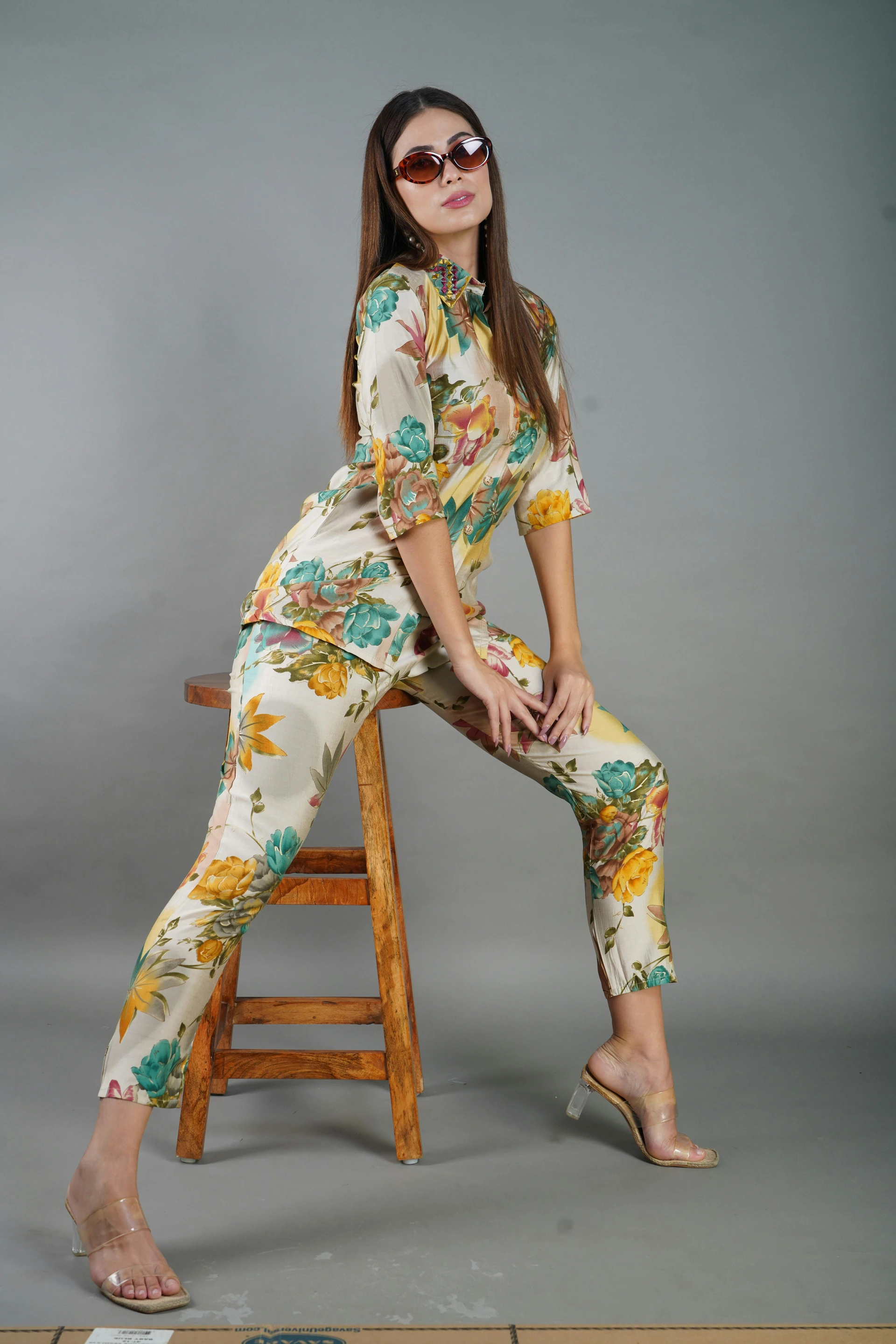 With changes
Belt the shirt loosely at the natural waist; the pant covers the hip cleanly. Avoid leaving the shirt completely loose — it floats into a shapeless rectangle.
View tutorial→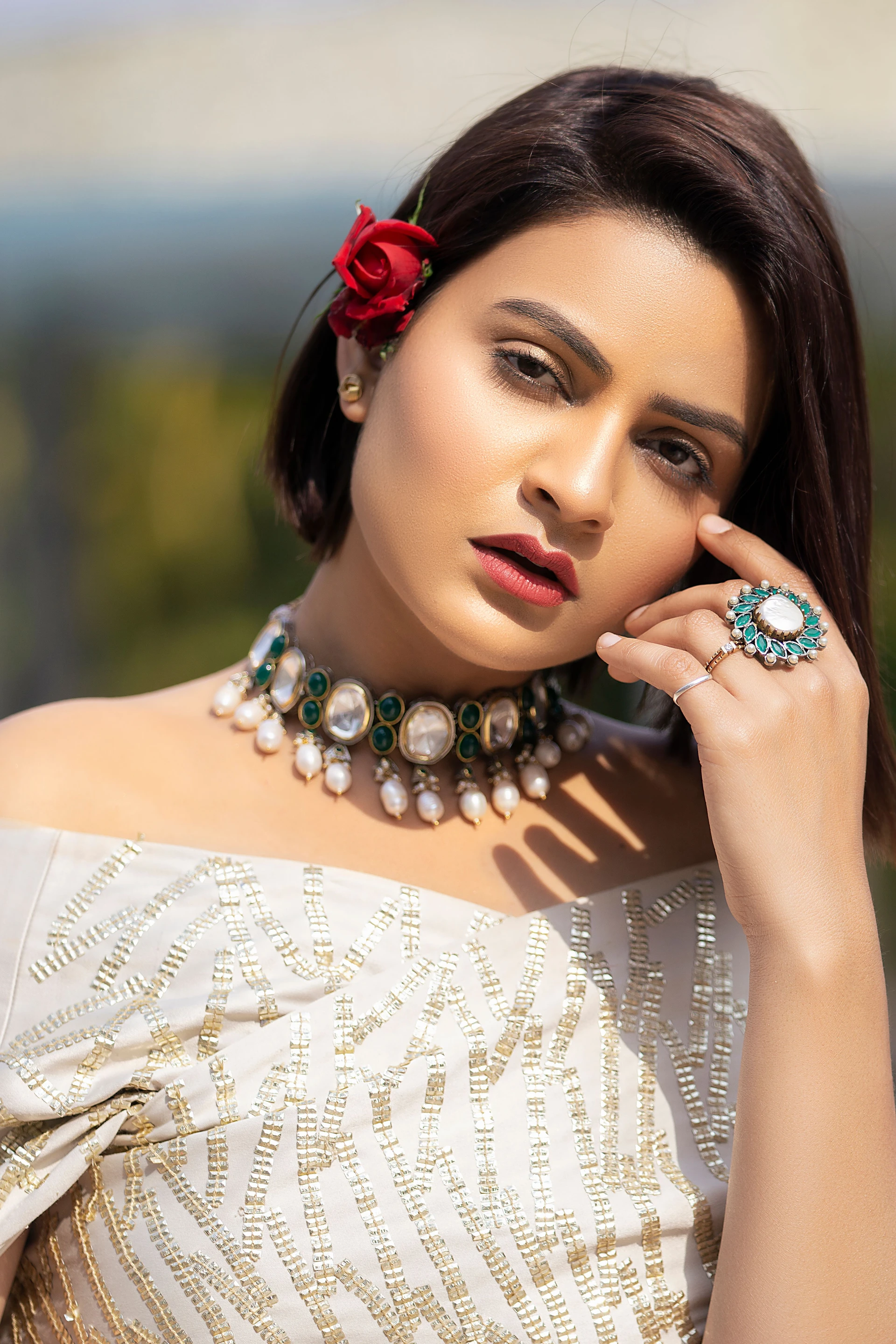 With changes
Choose the structured underbust-seam version over a soft gathered one, and size the blouse to your bust measurement specifically rather than your overall size.
View tutorial→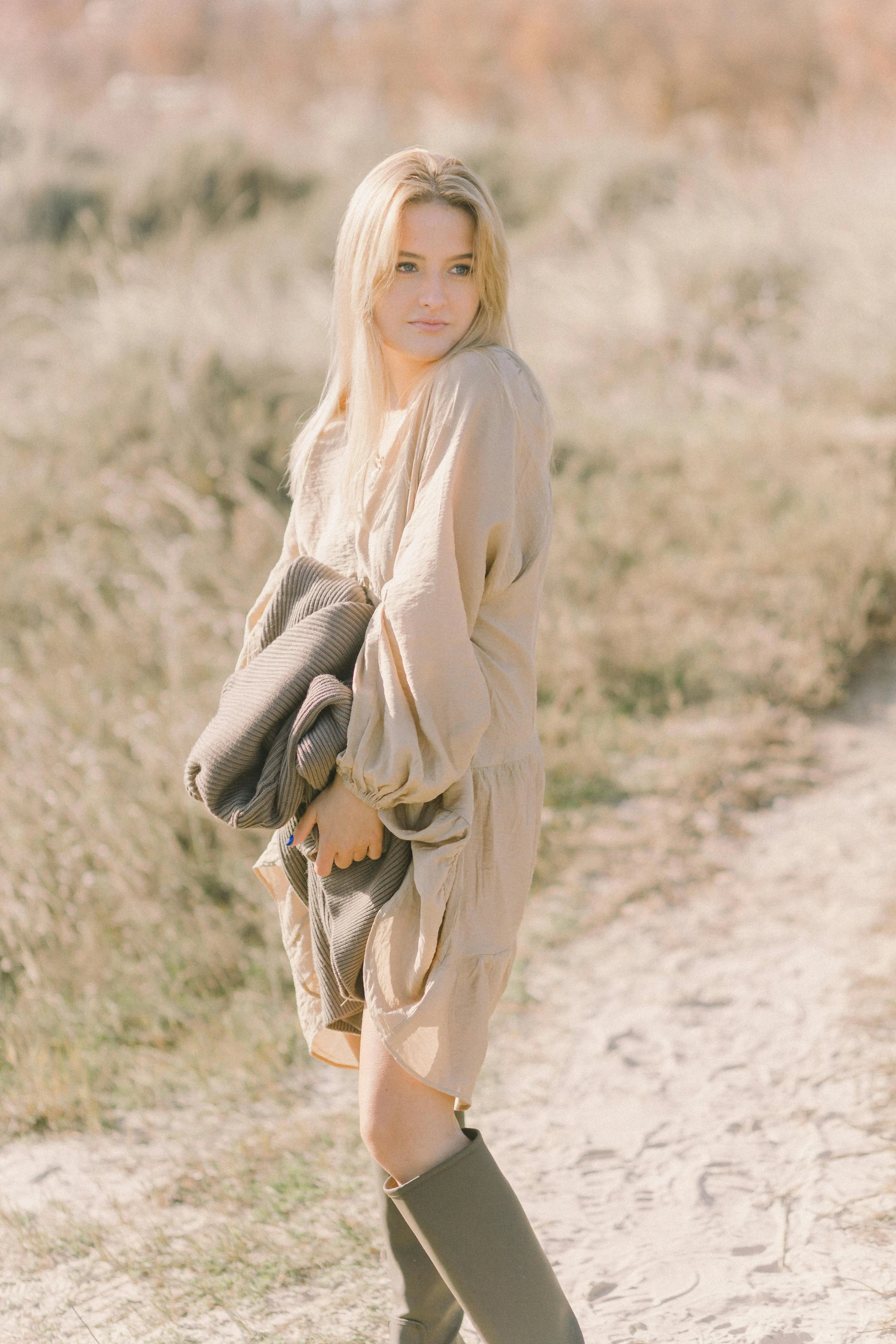 With changes
The drop-waist tiered cut skims the midsection without clinging — it doesn't hug curves, it floats past them. Choose a linen-cotton blend version (not thin polyester voile) so the tiers hold their shape away from the body. Add a thin self-tie cord belt at the natural waist to create a waist point the cut doesn't provide.
View tutorial→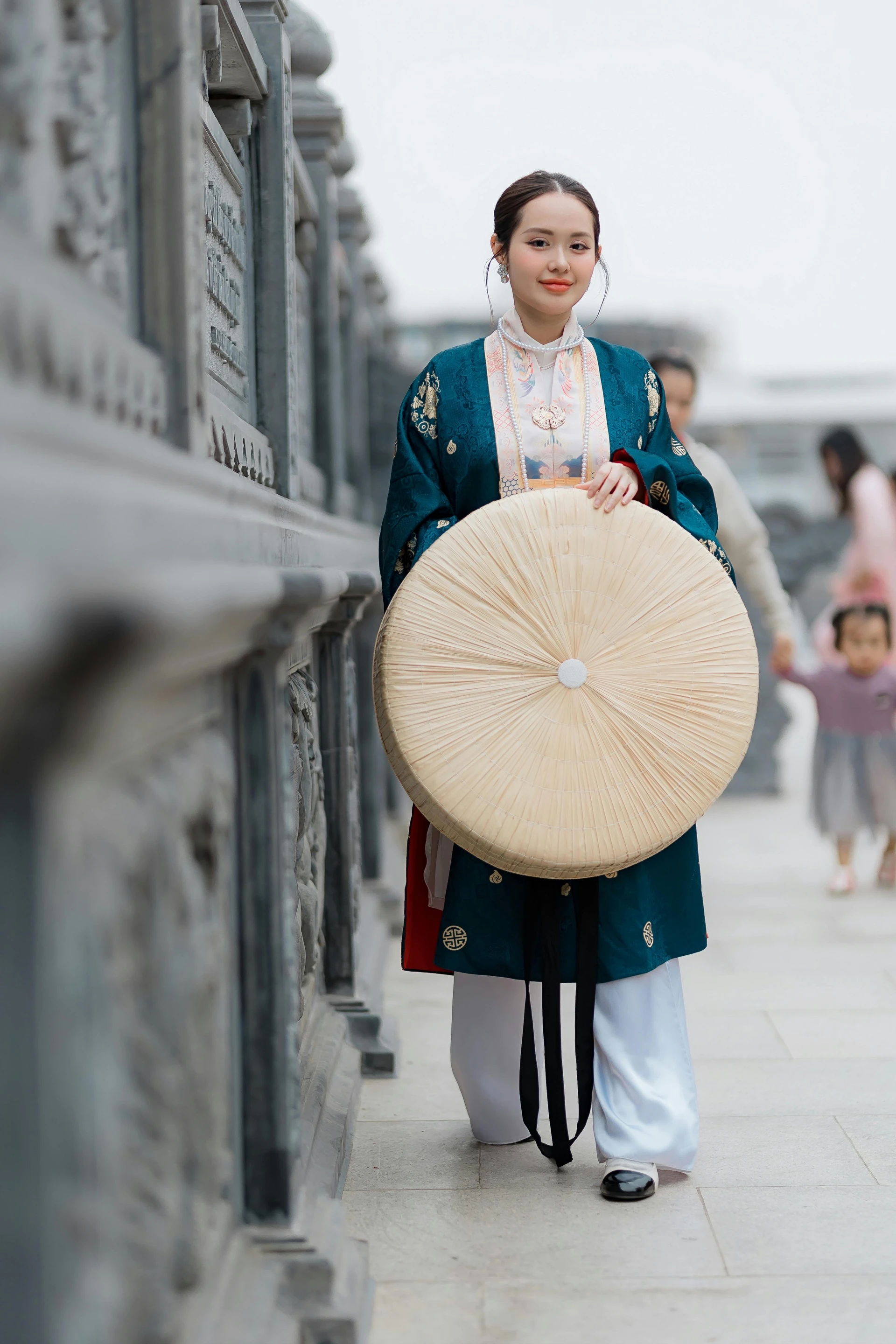 With changes
Add obi sash at natural waist; choose robe with structured shoulder line not a loose boxy cut. The robe should skim, not float, past the hip.
View tutorial→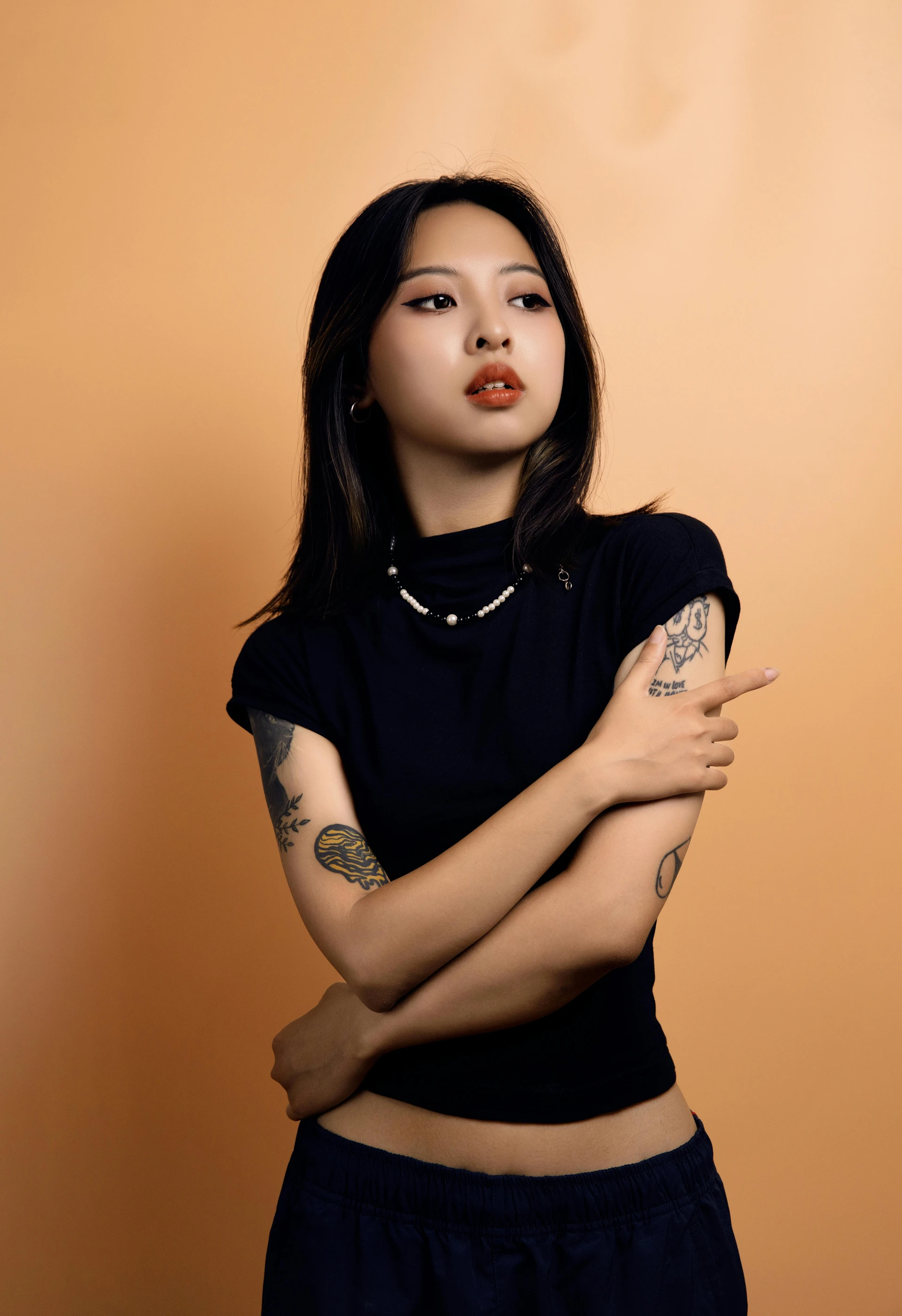 With changes
The glass skin base is completely universal and works identically regardless of body proportion. The fox-eye liner elongates the eye horizontally — if you have a very round face shape this is particularly flattering. Ensure the liner wing points toward the end of your brow, not straight out.
View tutorial→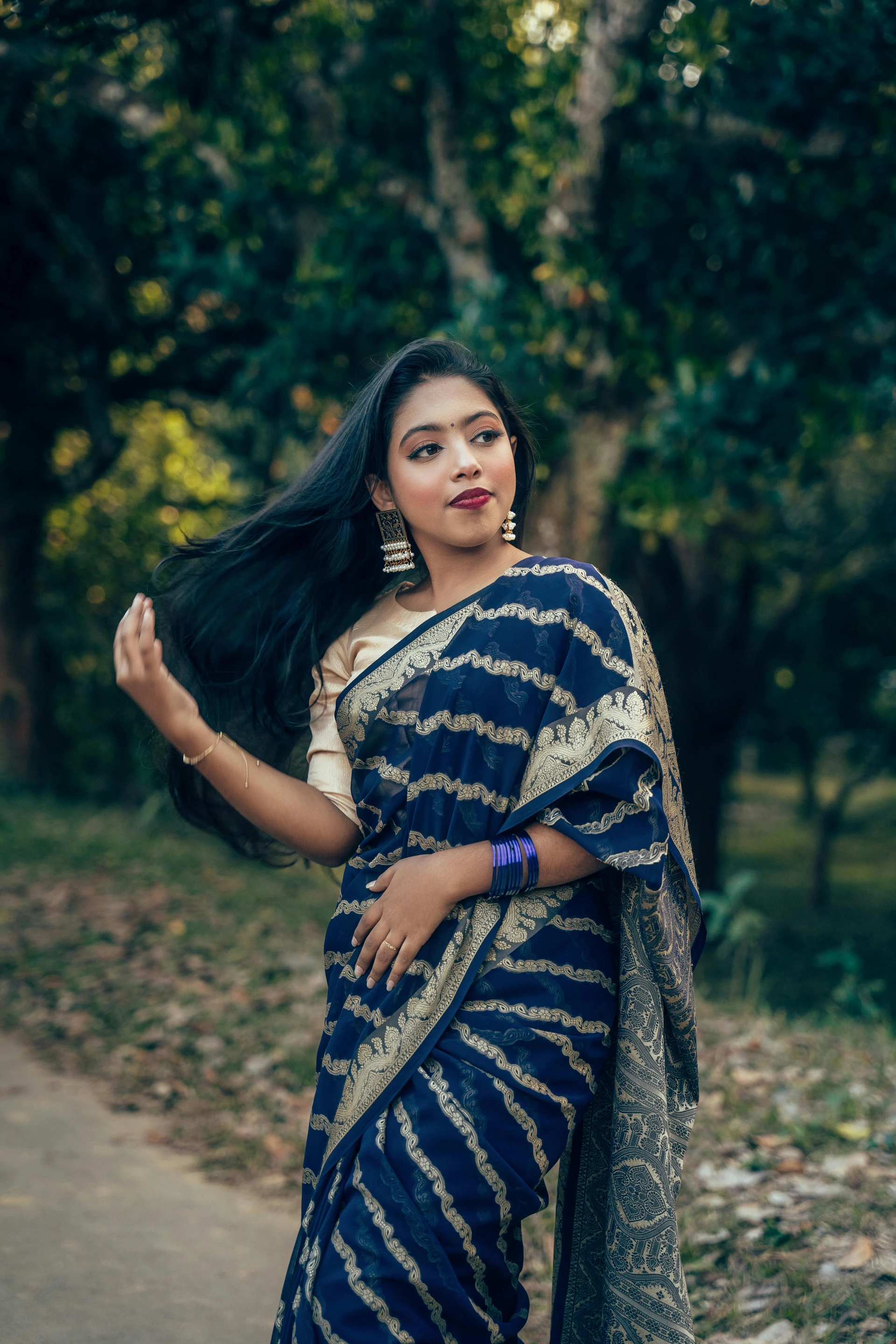 With changes
Drape pleats looser at the waist; ensure the petticoat sits at natural waist, not hip.
View tutorial→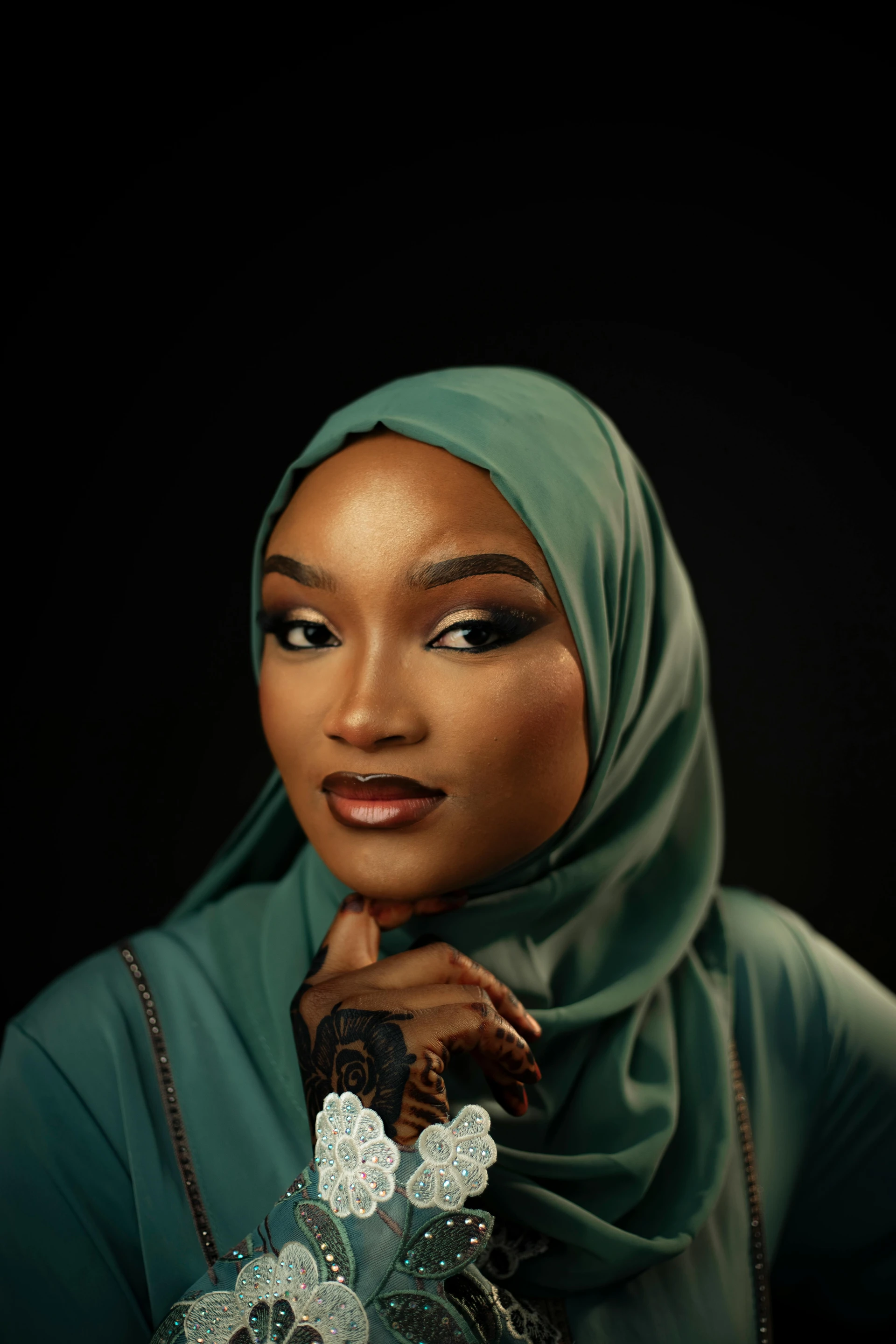 With changes
Chiffon drapes naturally. Let the abaya A-line — don't belt it.
View tutorial→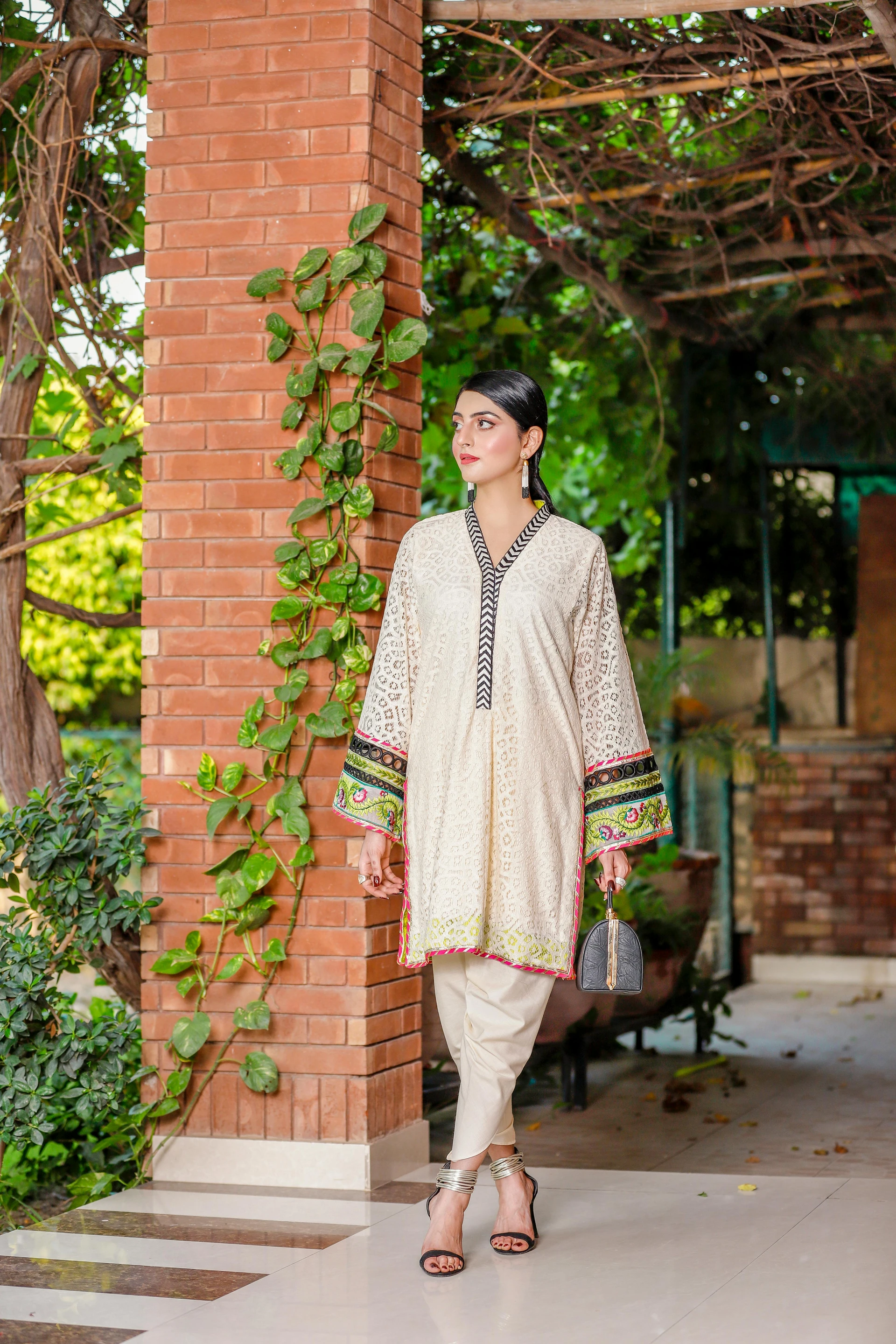 With changes
Choose heavier cotton — avoid thin muslin at bust. Let the kurta fall naturally, don't belt it.
View tutorial→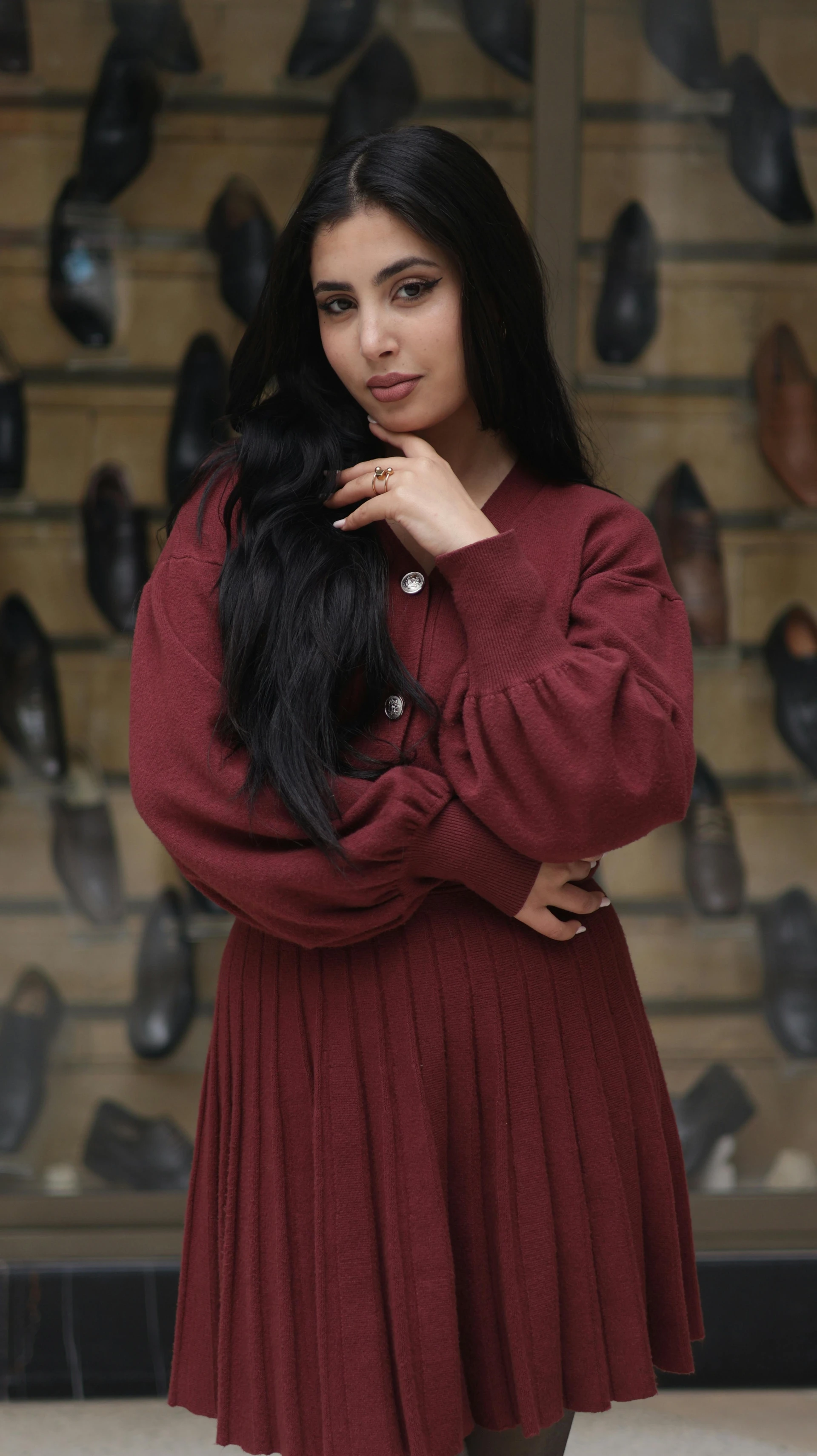 With changes
The rib waistband must sit at the natural waist — not the hip. If it migrates down, the A-line becomes an A-line from the wrong point and adds width rather than defining it. Size to your shoulder if in doubt and check waist placement.
View tutorial→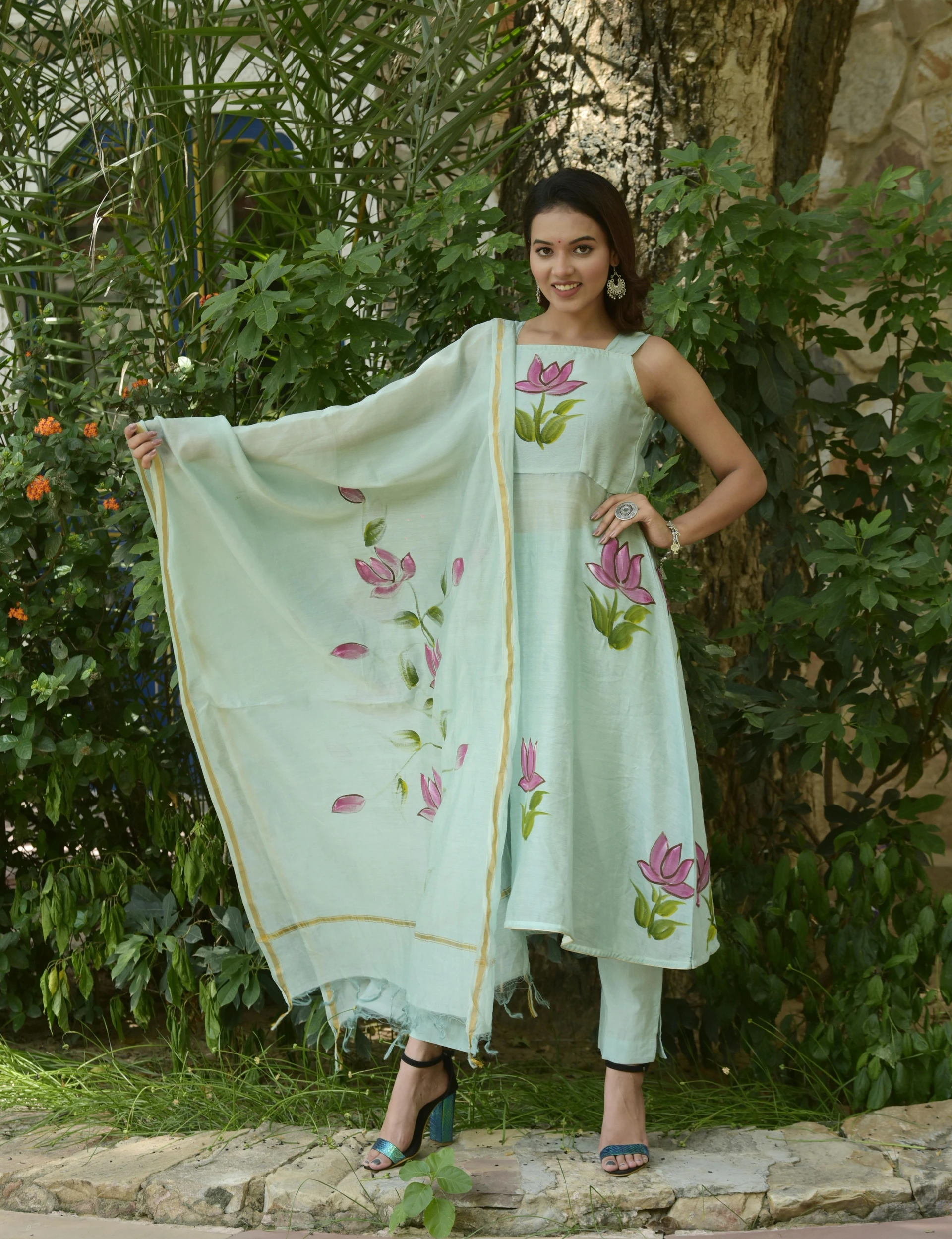 With changes
Choose matte cotton over sheer organza. Diagonal dupatta drape adds vertical line.
View tutorial→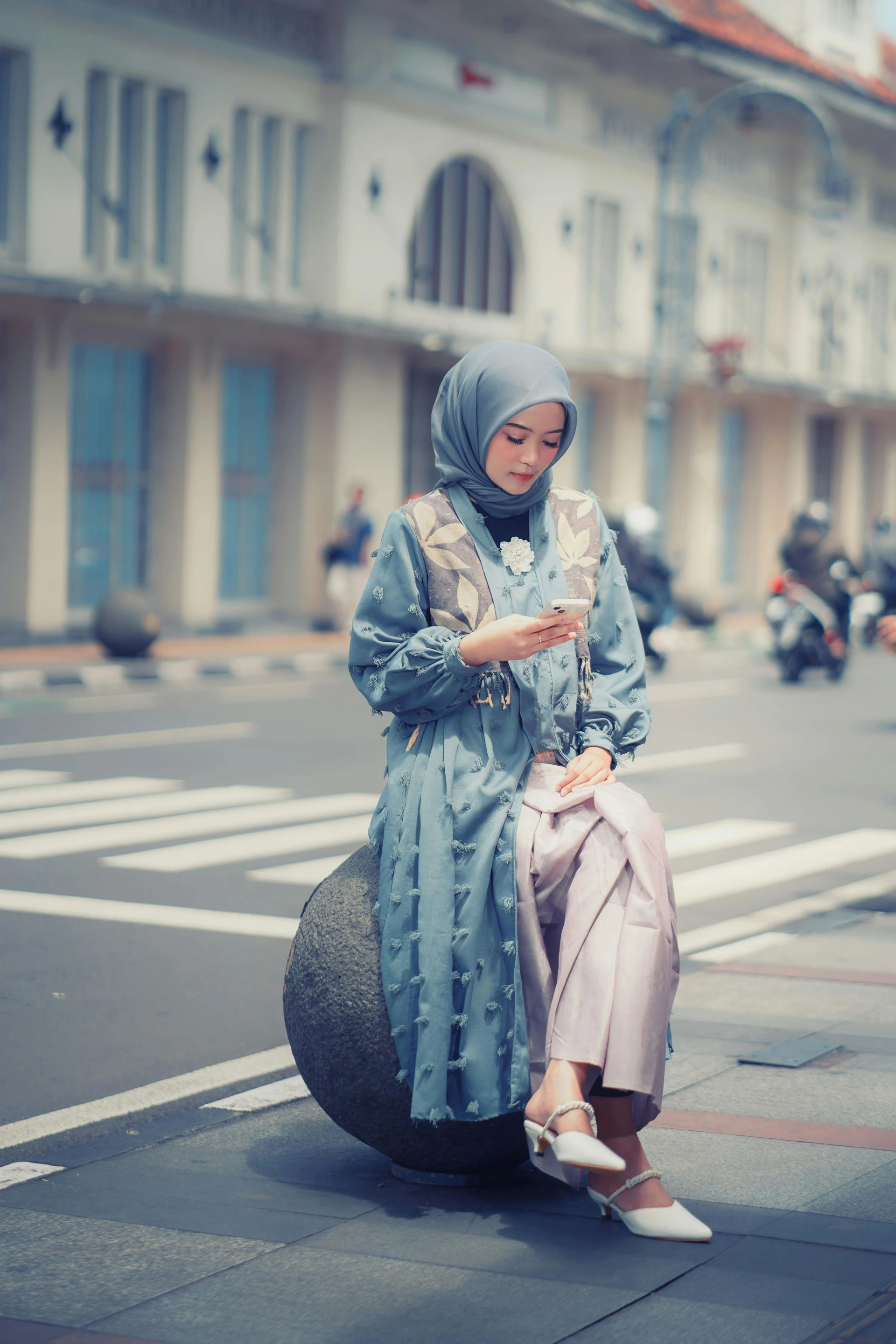 With changes
Add a thin belt or sash at the natural waist over the abaya. Choose a palazzo with a slightly structured waistband to hold shape.
View tutorial→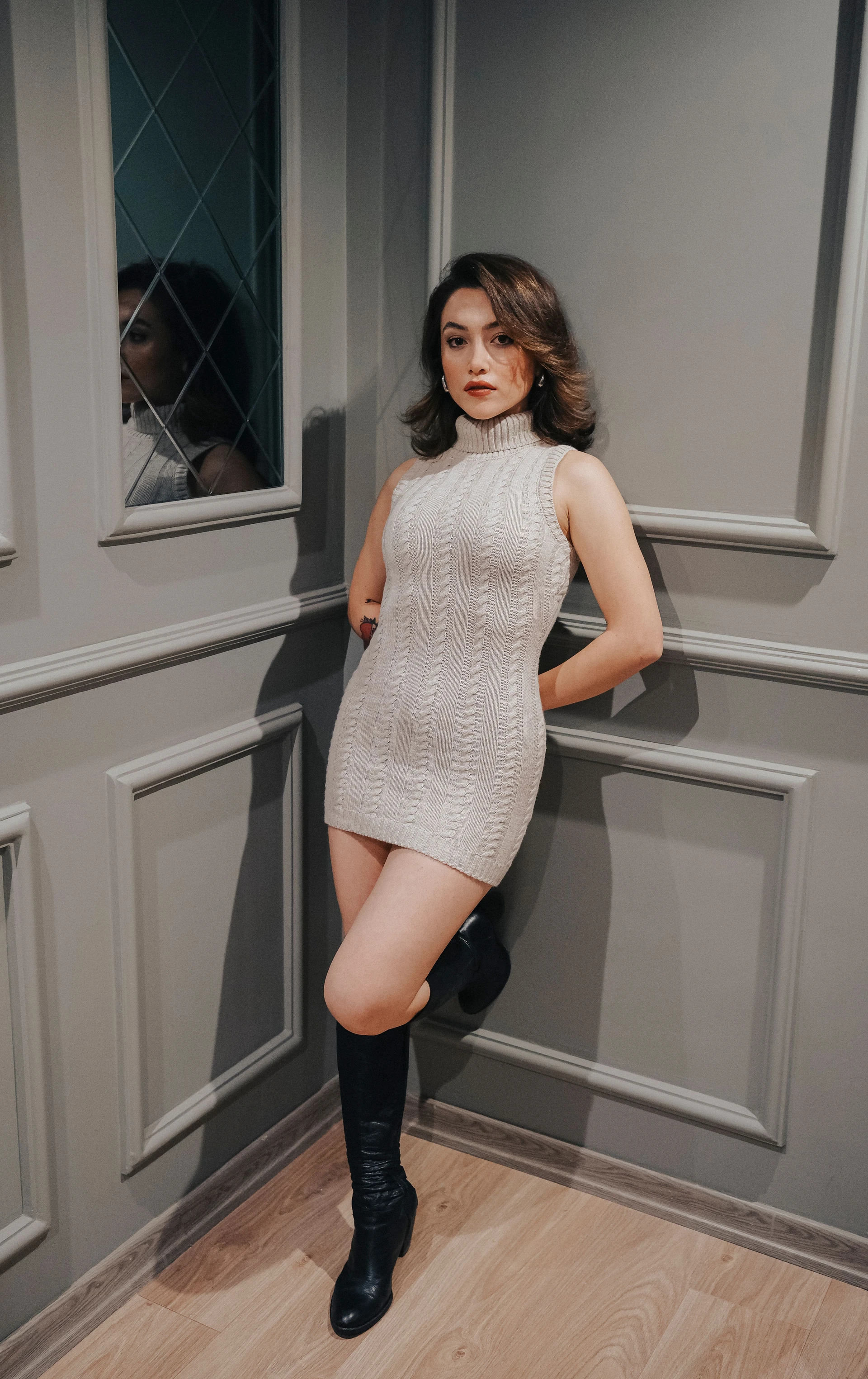 With changes
Size up one from your usual bodycon fit so the cable pattern doesn't stretch sideways. Skip bulky outerwear layered on top.
View tutorial→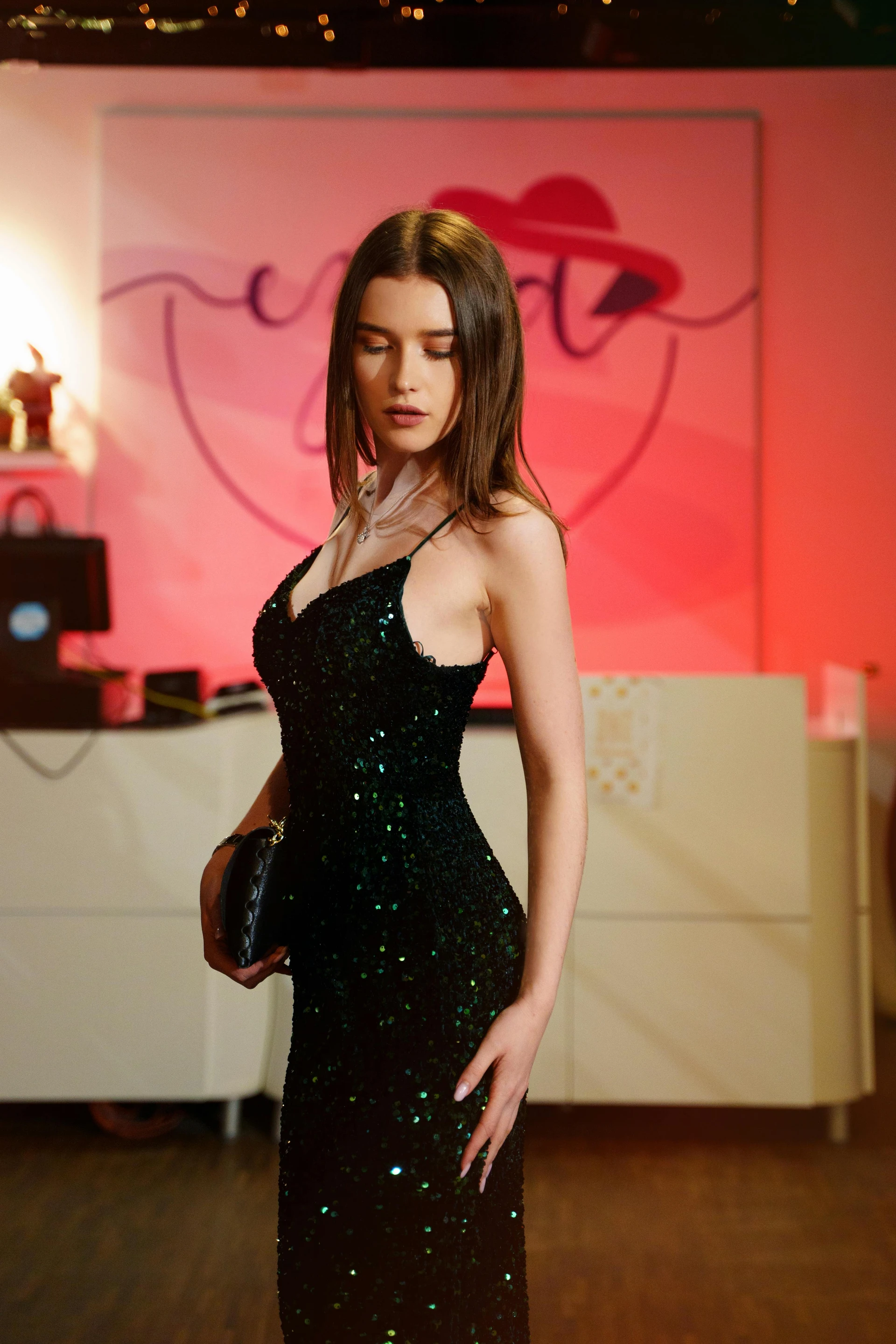 With changes
Size up rather than down at the bust and hip — sequin mesh has near-zero horizontal stretch, so a too-tight fit can pull and gap at the seams under movement. Have a tailor check that the side seams sit flat against the body, a five-minute same-day adjustment.
View tutorial→ With changes
Size to bust — the A-line gathers accommodate waist and hip. Tie-waist style gives the most control over where definition sits.
View tutorial→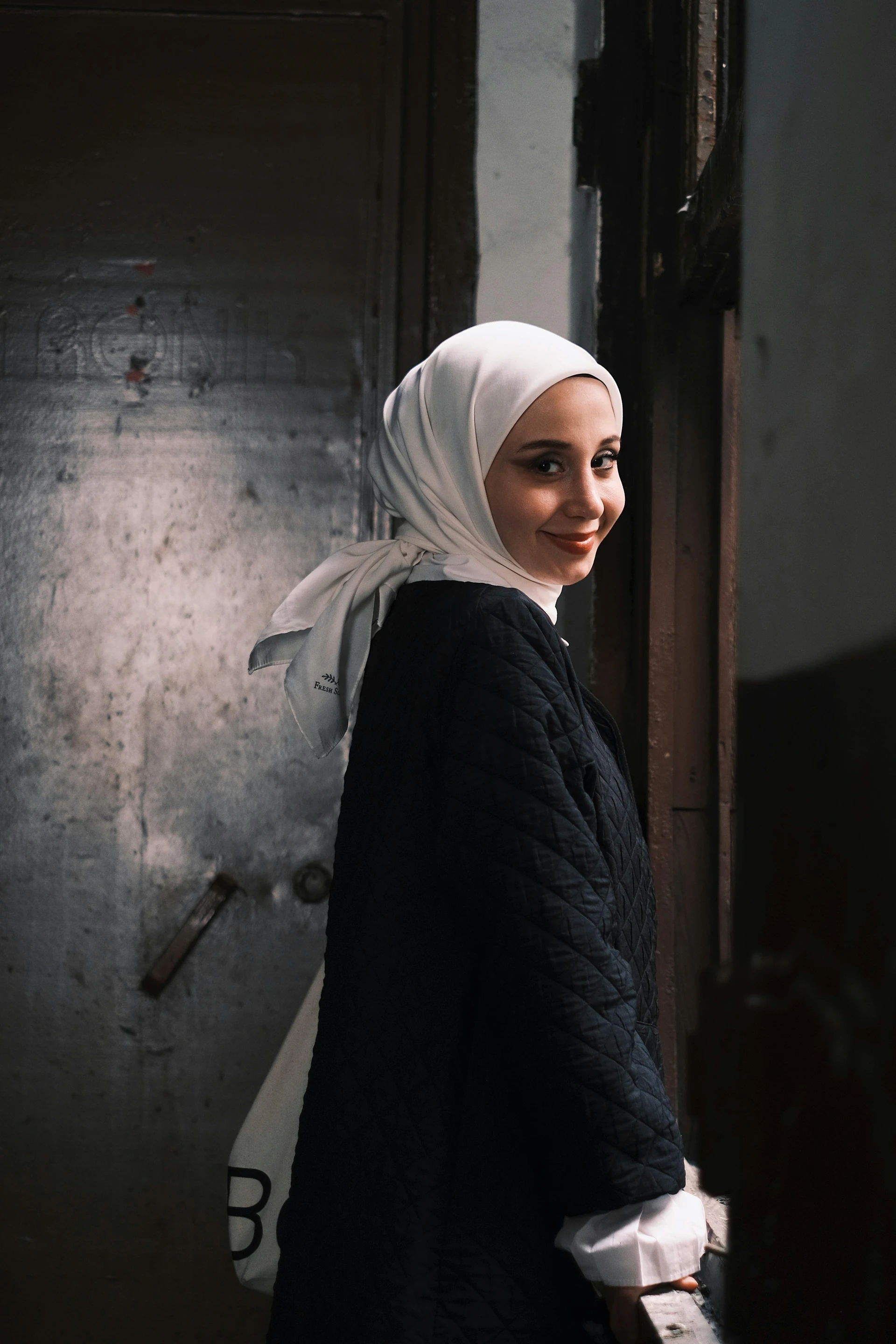 With changes
Structured shoulders on the jacket are essential. Avoid puffer or unstructured quilting. Keep the bow drape soft, not bulky.
View tutorial→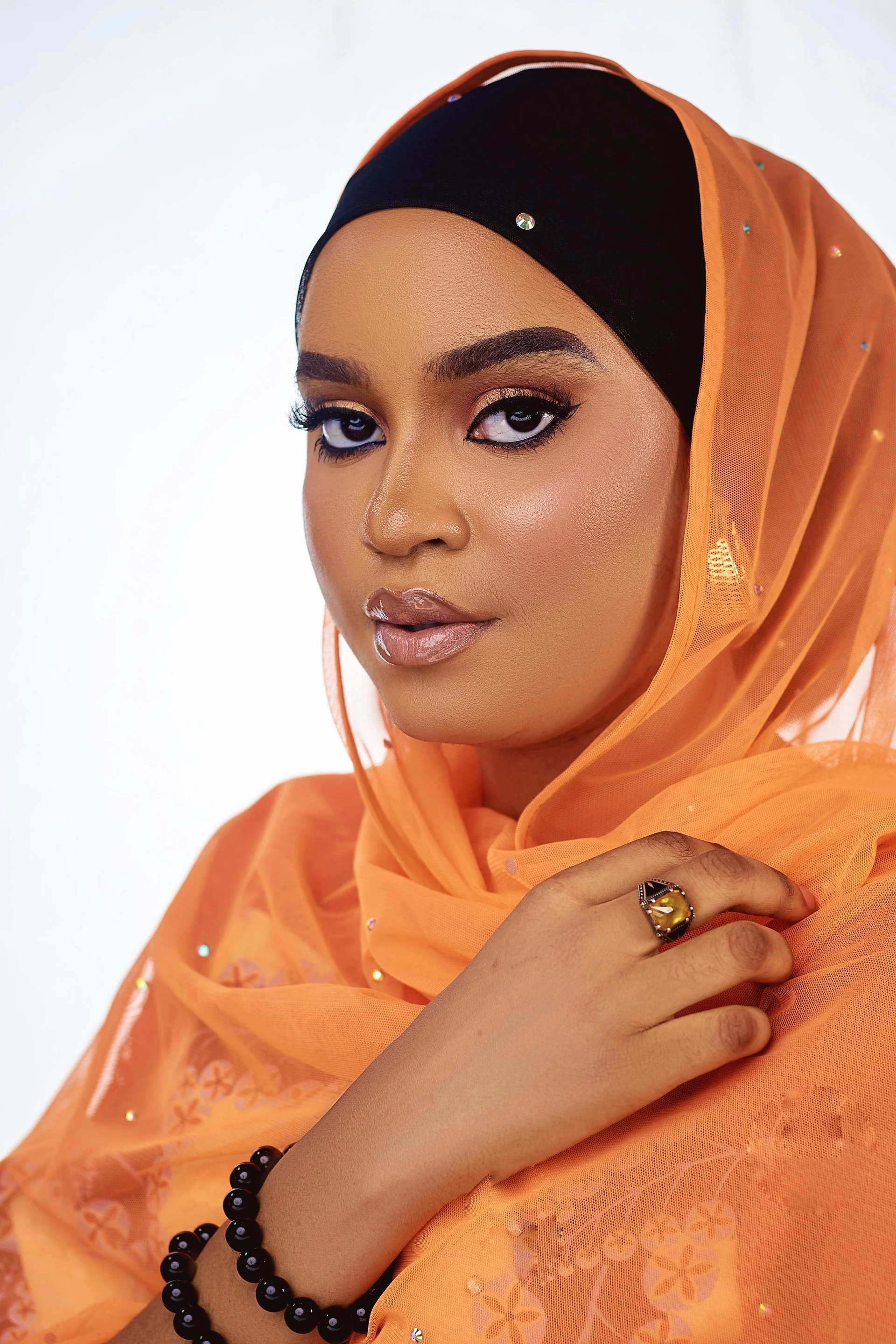 With changes
Choose structured georgette over thin polyester. The fabric's weight holds a clean drape across the chest without clinging.
View tutorial→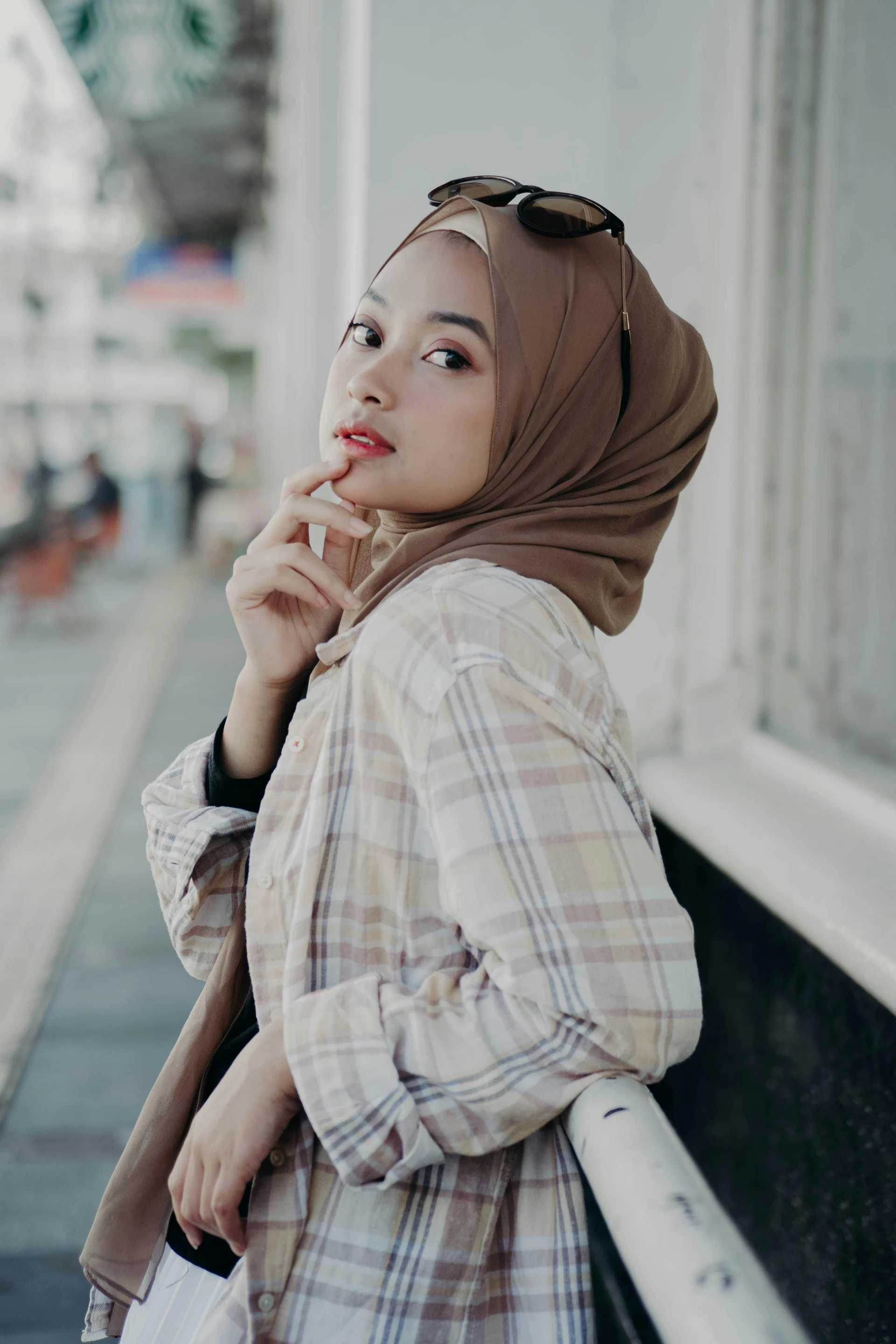 With changes
Half-tuck the front hem of the flannel and choose a medium-weight plaid (not flimsy).
View tutorial→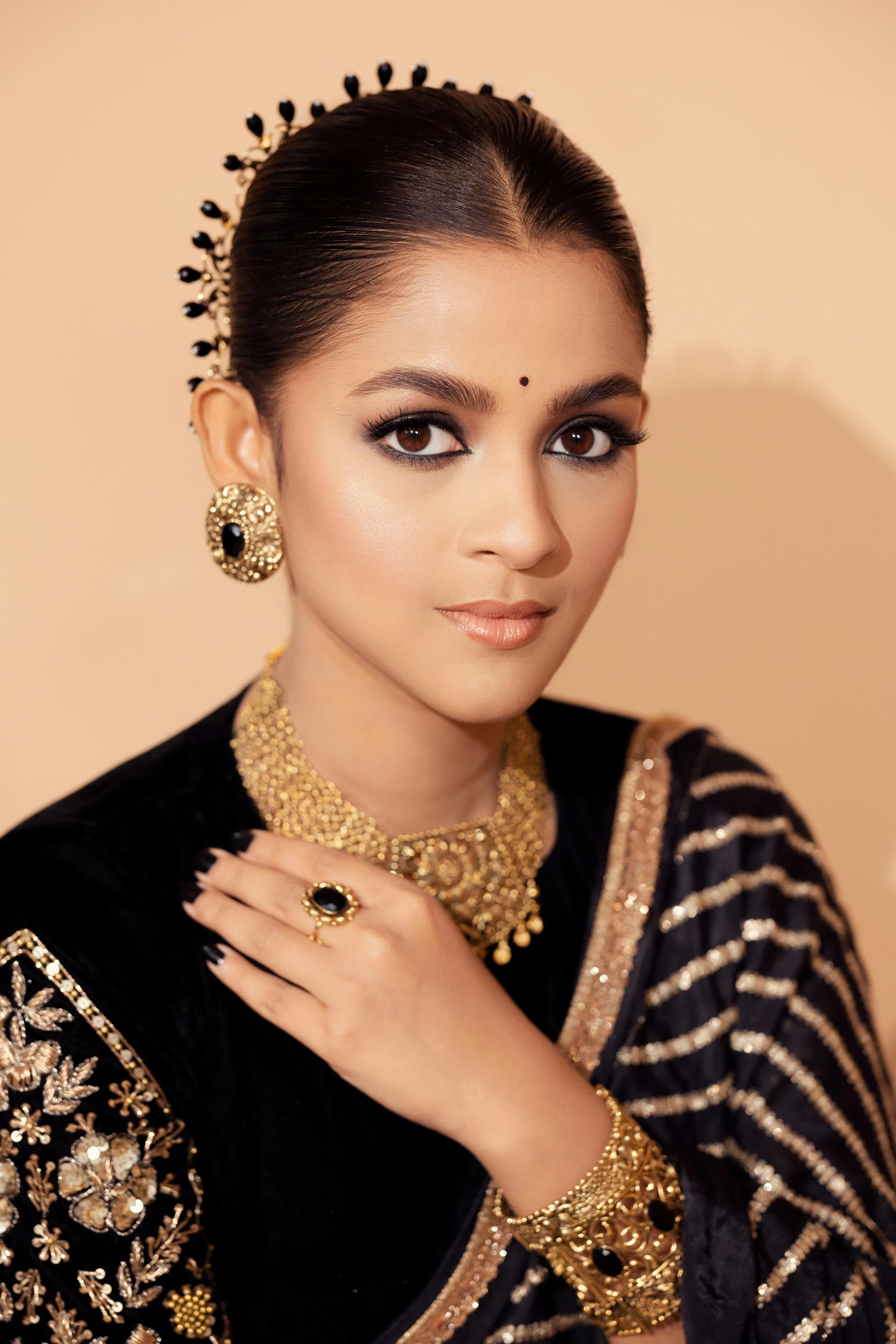 With changes
Select anarkali or A-line silhouette, not fitted sheath. Place embroidery on yoke/chest area only — not across the hip line. Heavy face jewellery draws eye upward.
View tutorial→