Finding poses that work for your body...
POSEAURA | Dress Better. Shoot Smarter. Feel Confident Every Time.
Finding poses that work for your body...
POSEAURA | Dress Better. Shoot Smarter. Feel Confident Every Time.
Content-ready poses for social media
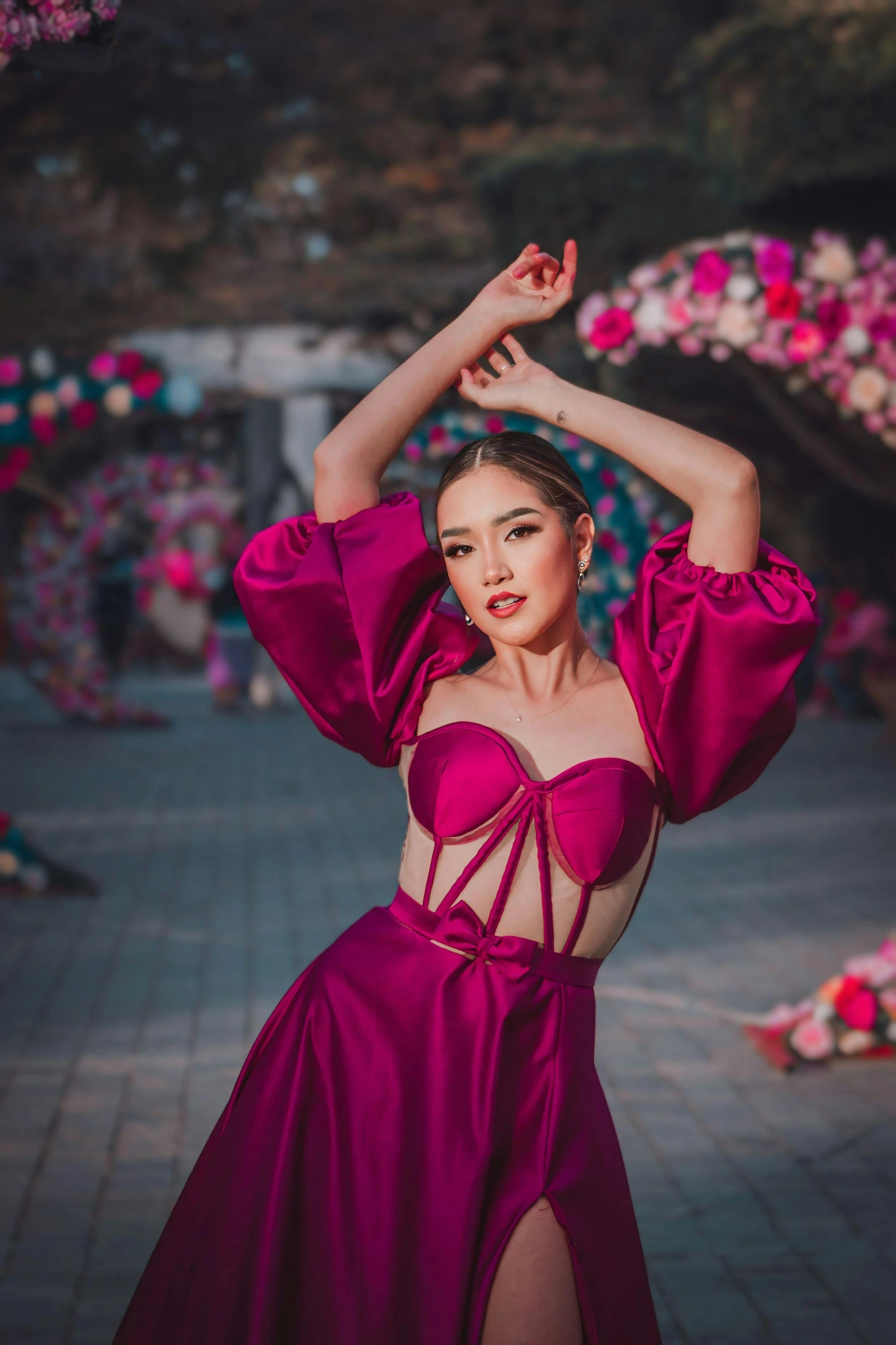
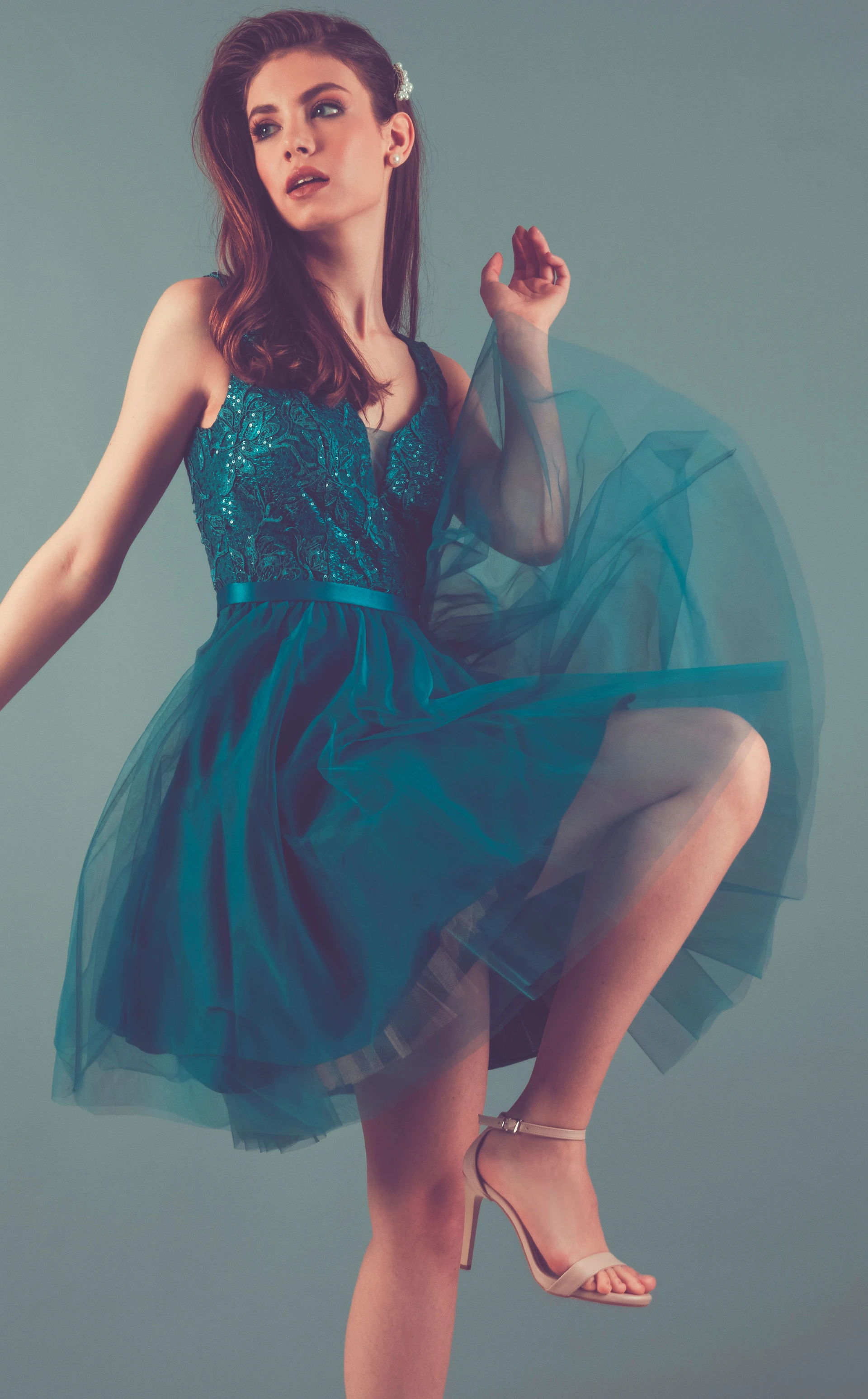
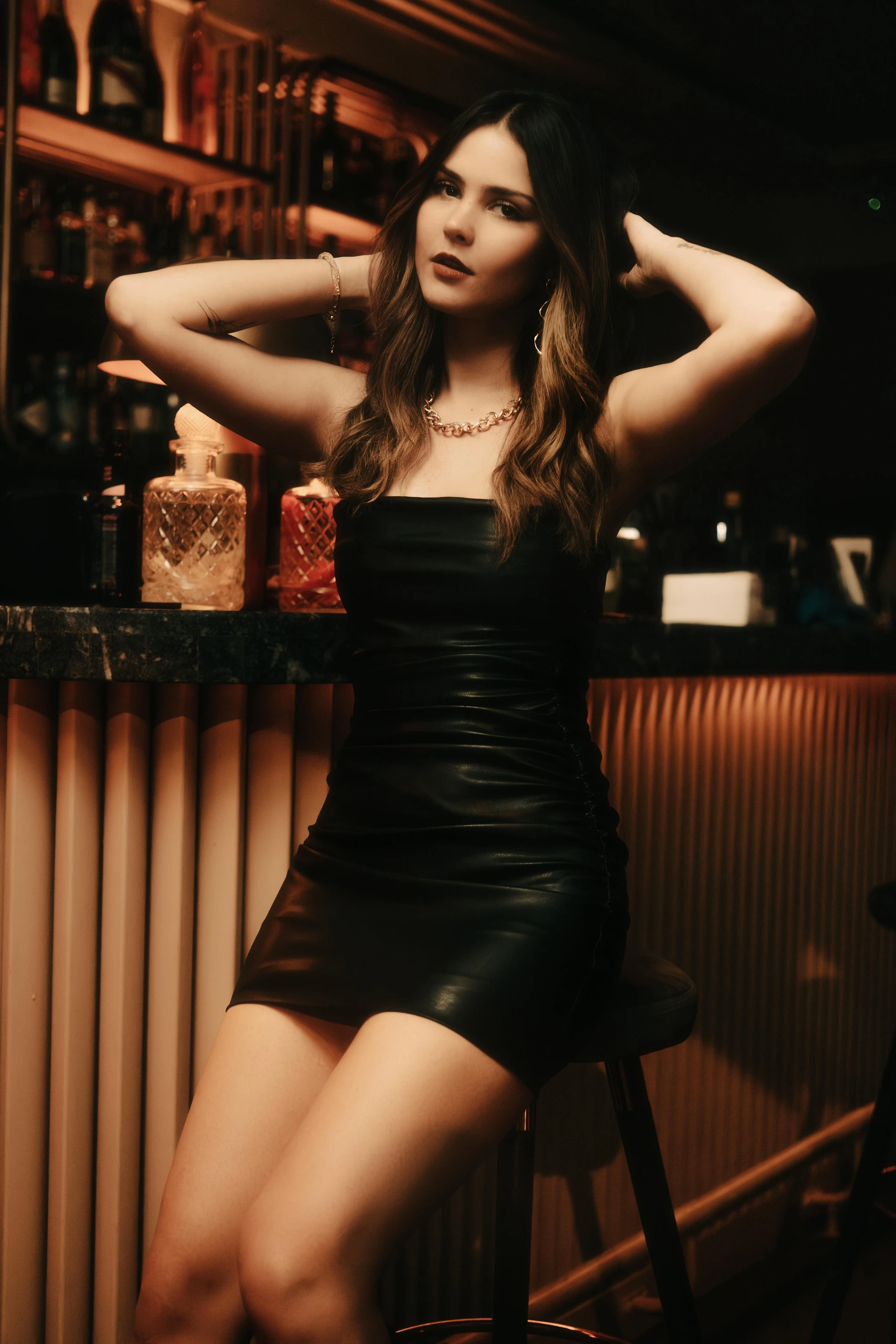
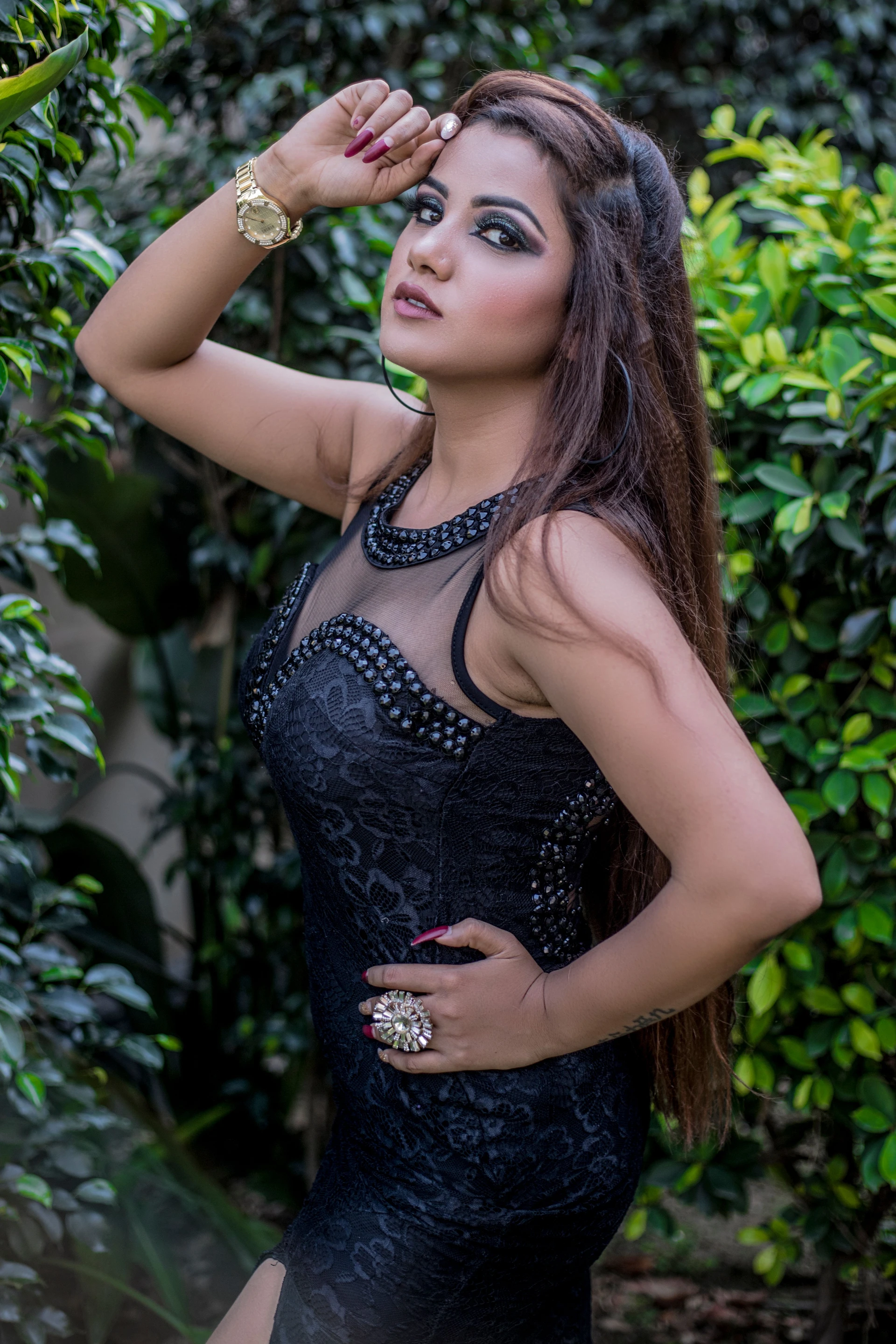
Instagram posing is about creating an image that reads as both aspirational and natural — the "effortless" quality is engineered, not accidental. The most consistent performers are poses that have one point of action (a moving hand, a glance away, a laugh) rather than a full static stance.
Avoid: Full-frontal, straight-arm, feet-together stances. Overly symmetrical "frozen" poses. Extreme angles that work in person but flatten to an unflattering shape in 2D.
View All Instagram Poses →Controlled lighting, clean background
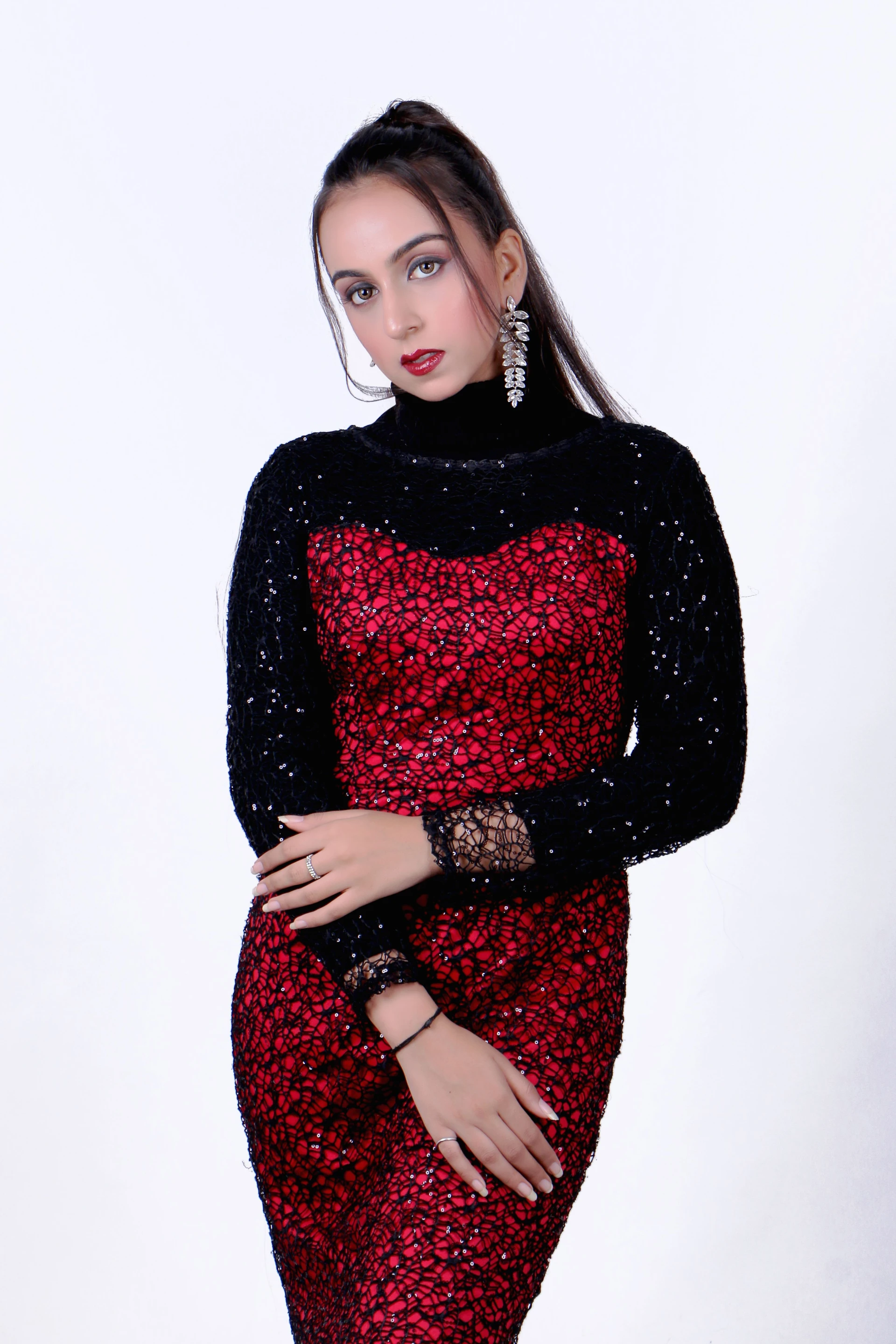
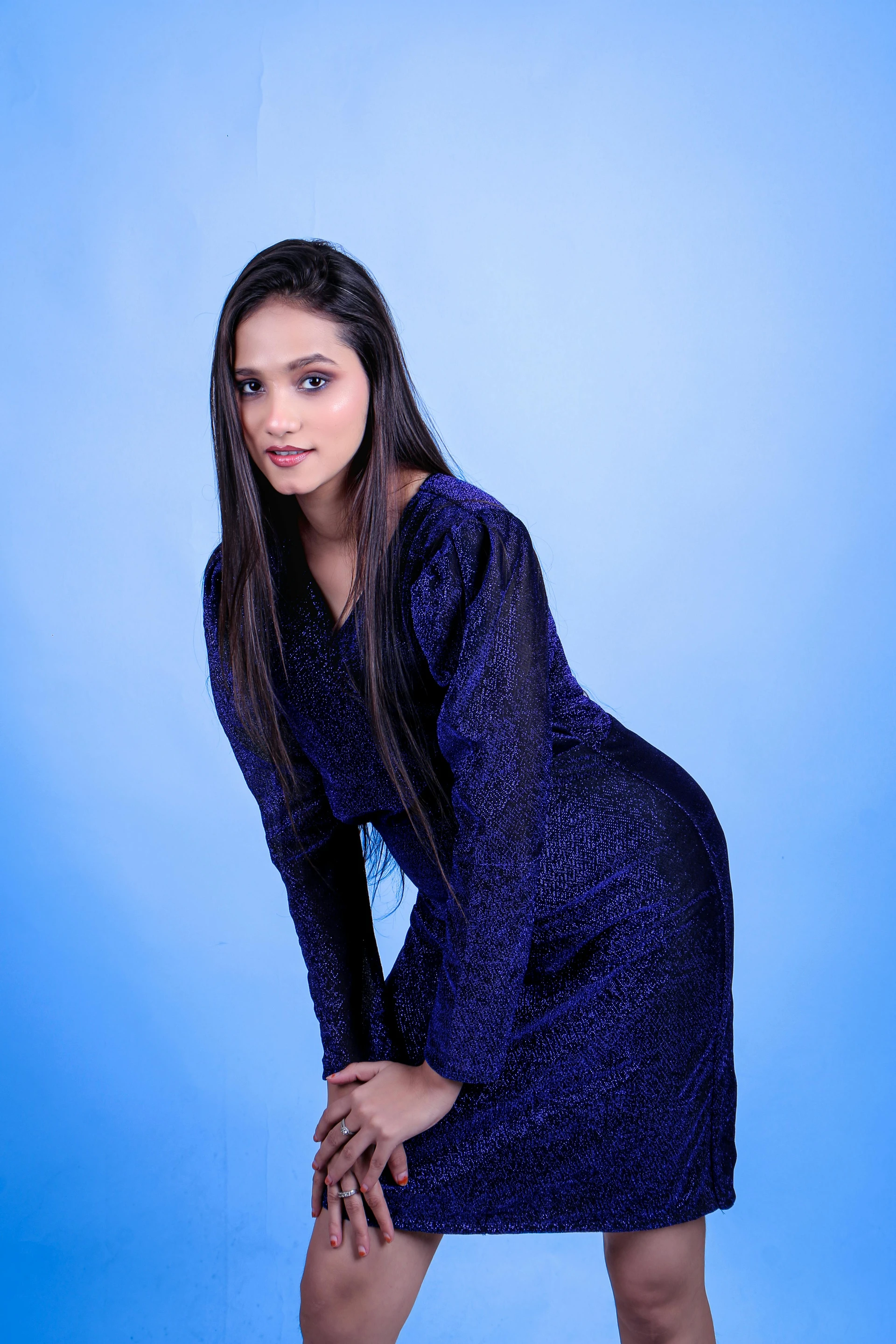
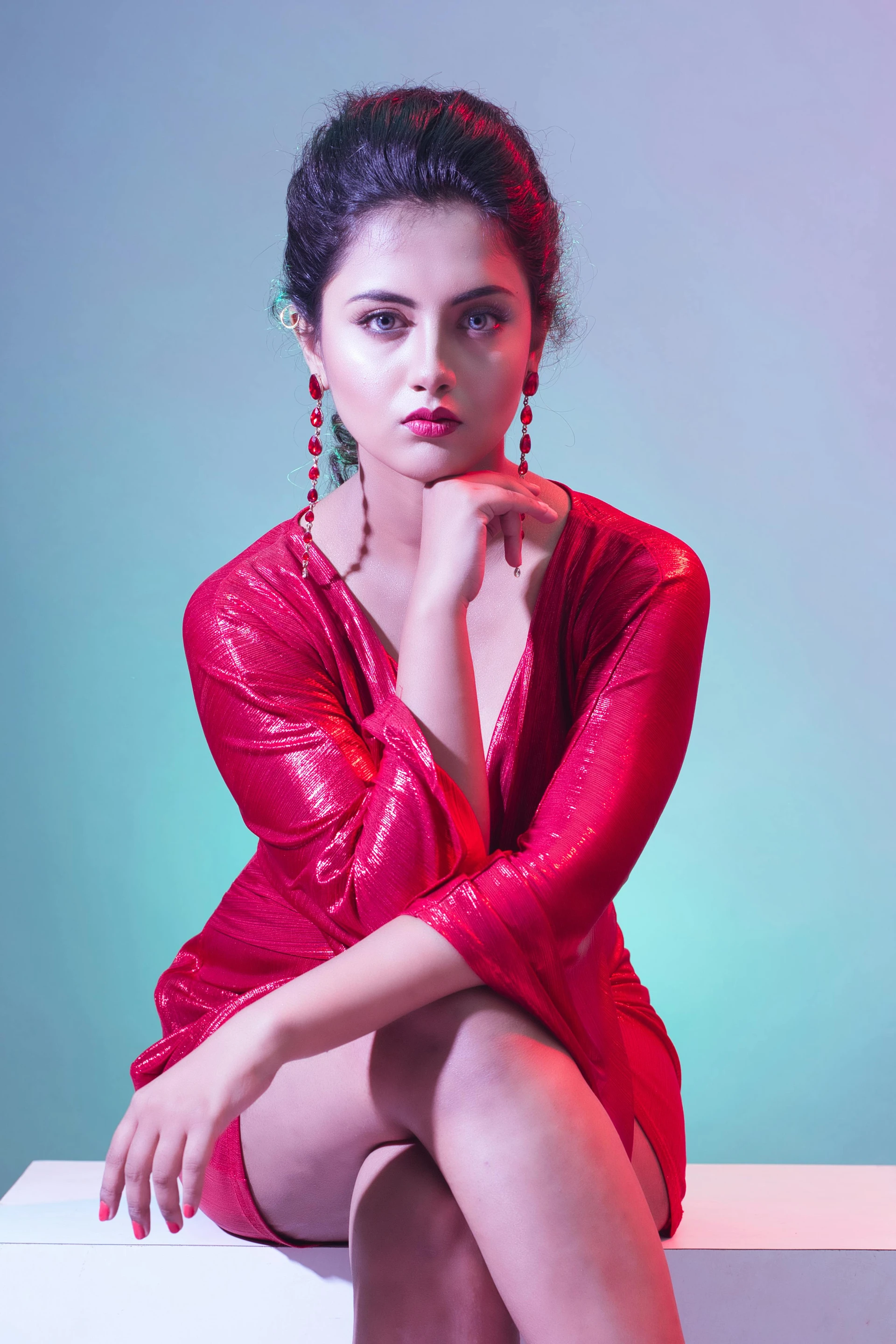
Studio shoots provide the most controlled environment but also the least natural context — there's nothing to interact with, so the pose has to carry all of the energy. The most common mistake is going too still: small adjustments between frames (a slight tilt, a breath, a micro-shift of weight) create variety that makes a studio session feel dynamic.
Avoid: Stiff, identical frames. Arms flat against the sides. Looking straight into the light source (creates squinting). Posing the entire body identically in every frame — small variations keep the selects interesting.
View All Studio Portraits →Full-length, street and outdoor
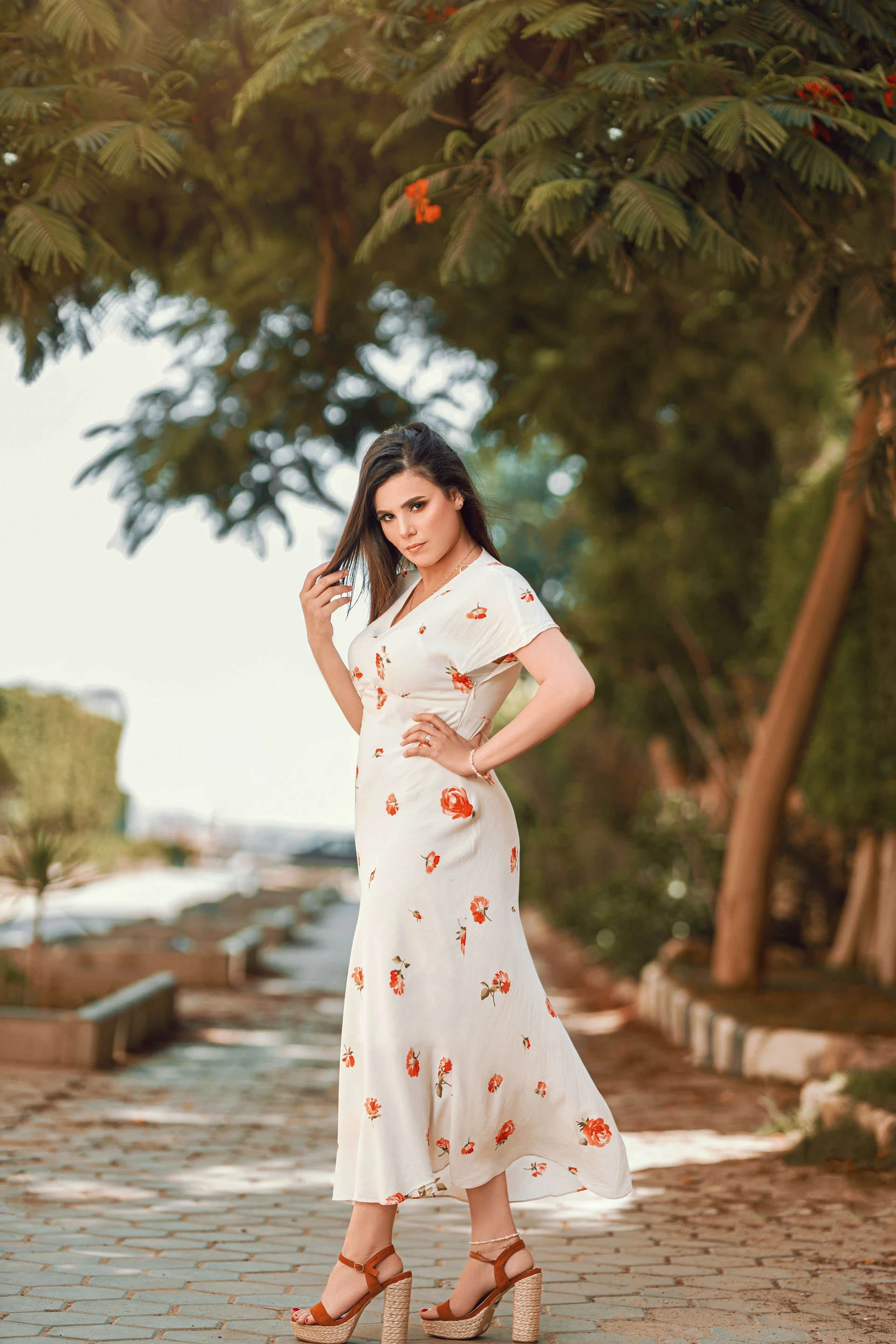
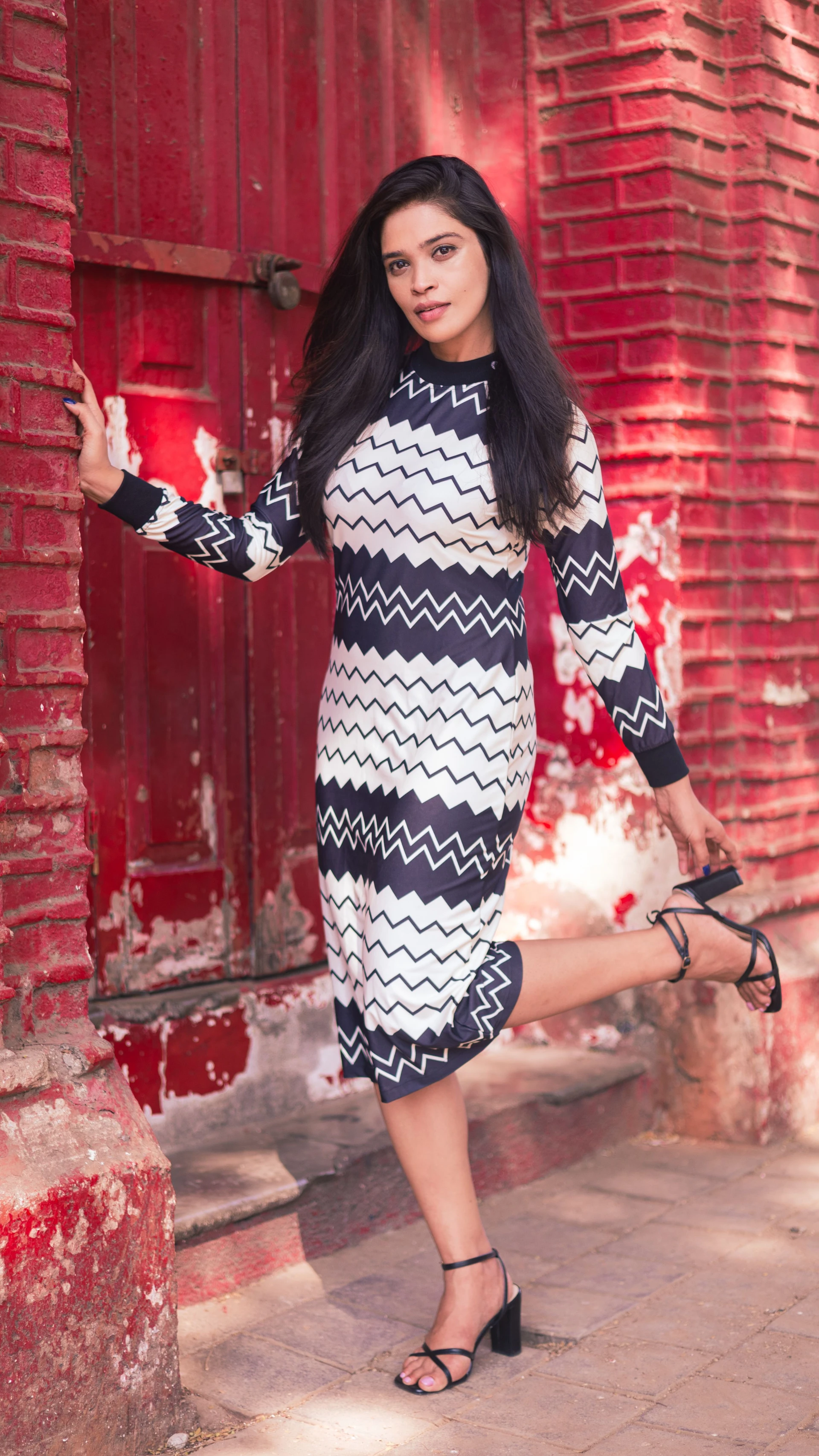
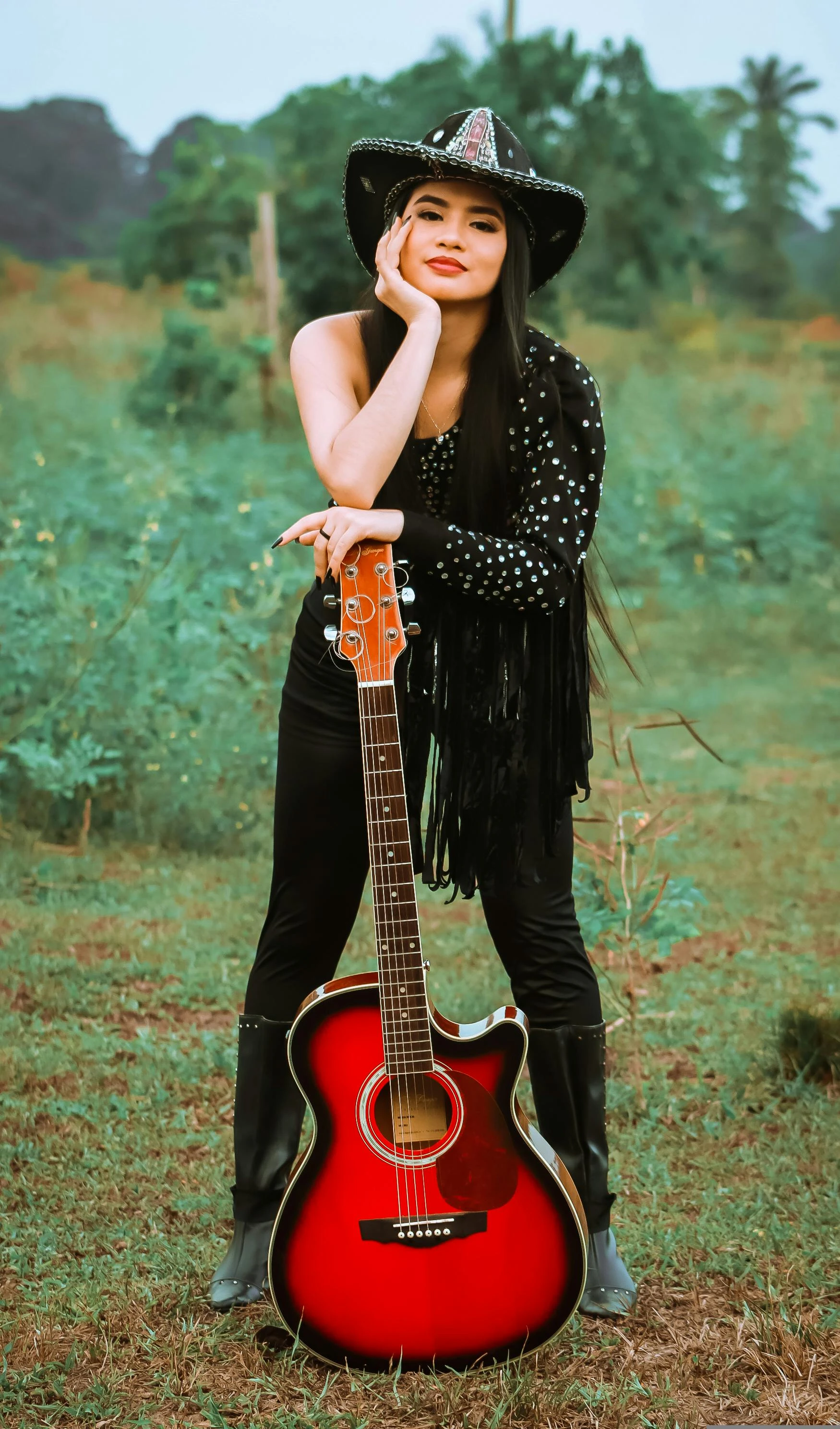
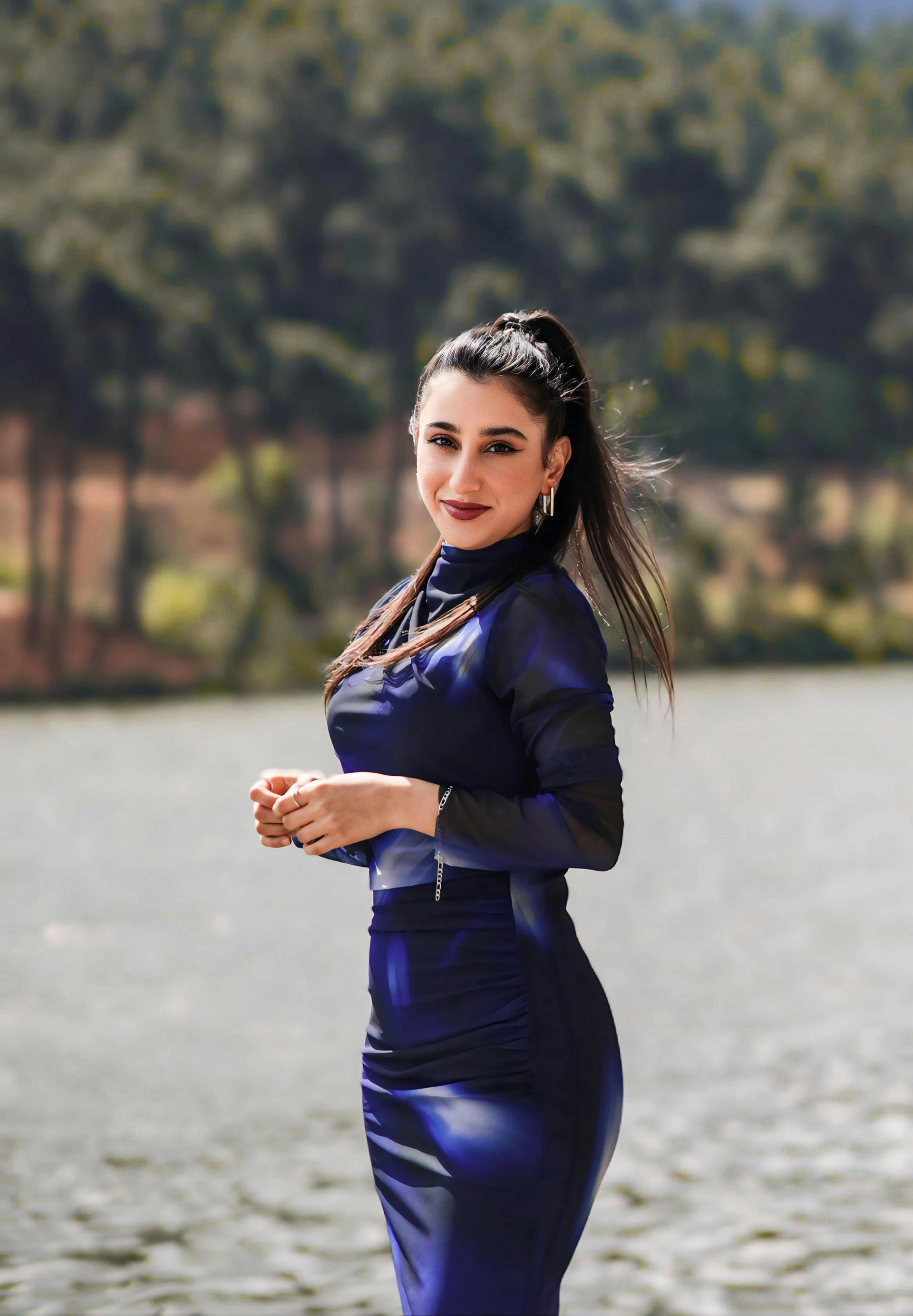
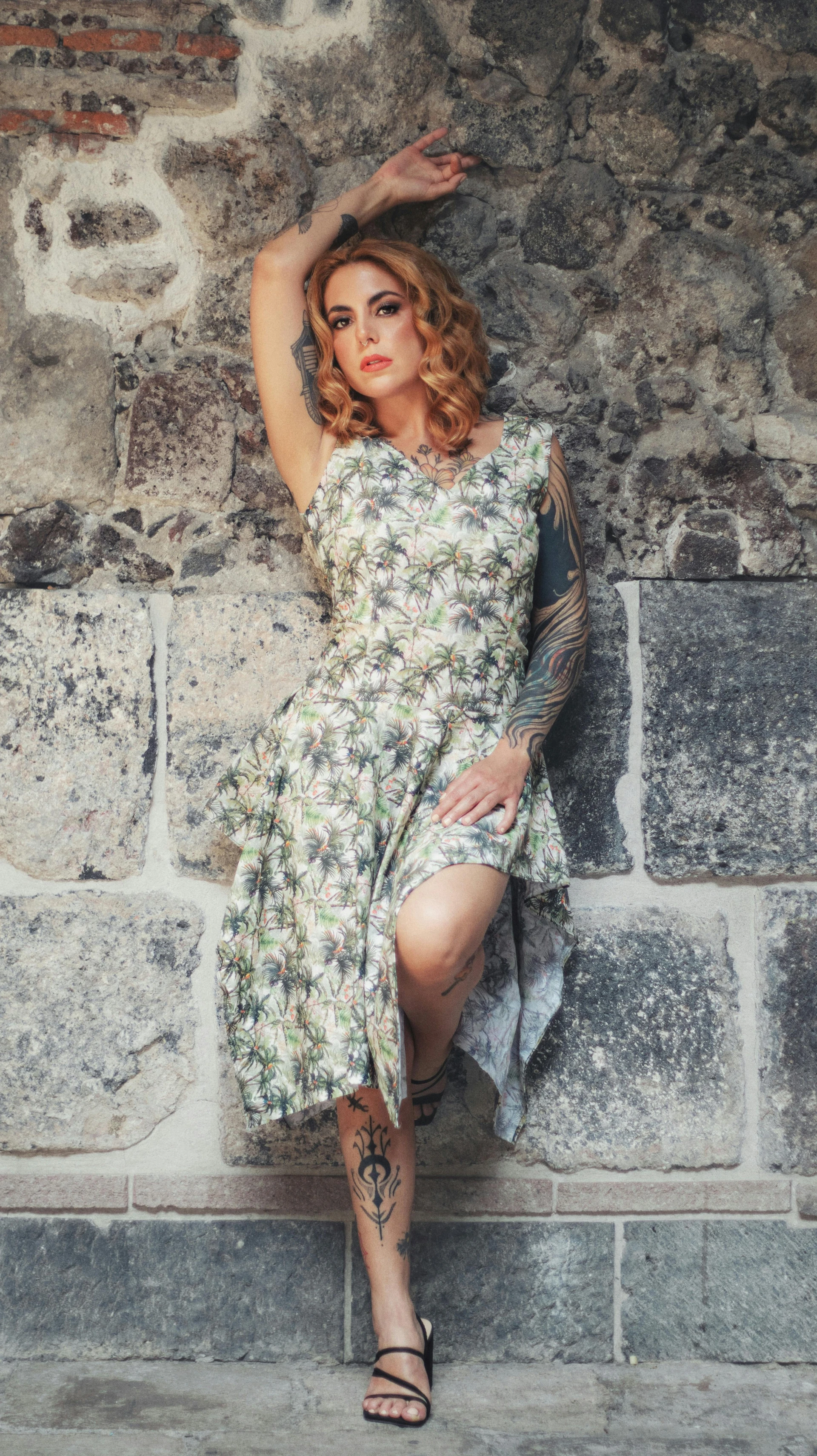
Standing poses are where weight distribution matters most. A perfectly symmetrical stance (weight equally on both feet, straight on) is the least interesting and least flattering starting point. Every standing pose should begin with a weight shift to create a natural S-curve.
Avoid: Weight equally distributed on both feet (creates a stiff, flat silhouette). Both hands hanging straight down. Facing fully toward the camera with shoulders square.
View All Standing Poses →Chairs, steps, surfaces and floor-seated
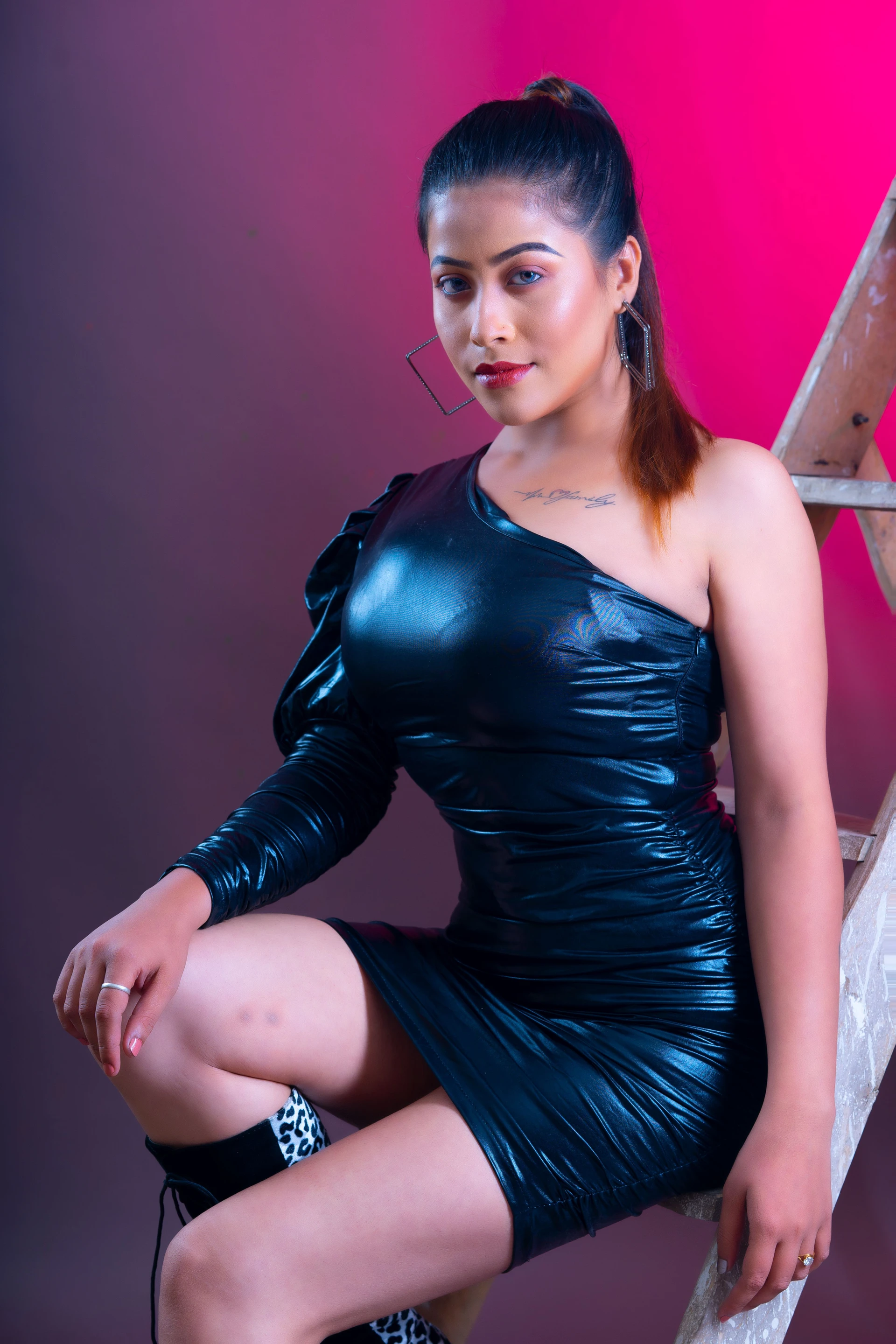
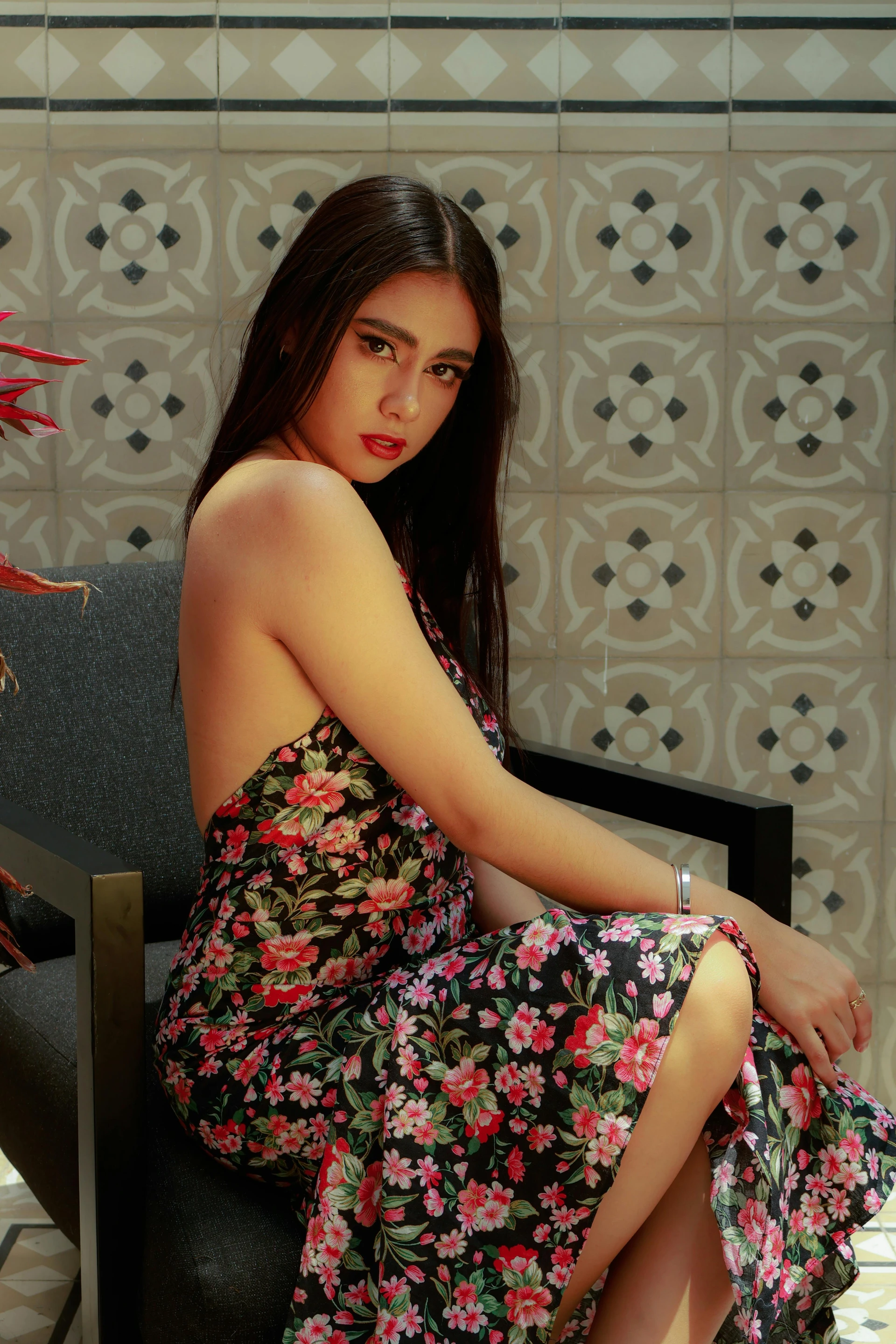
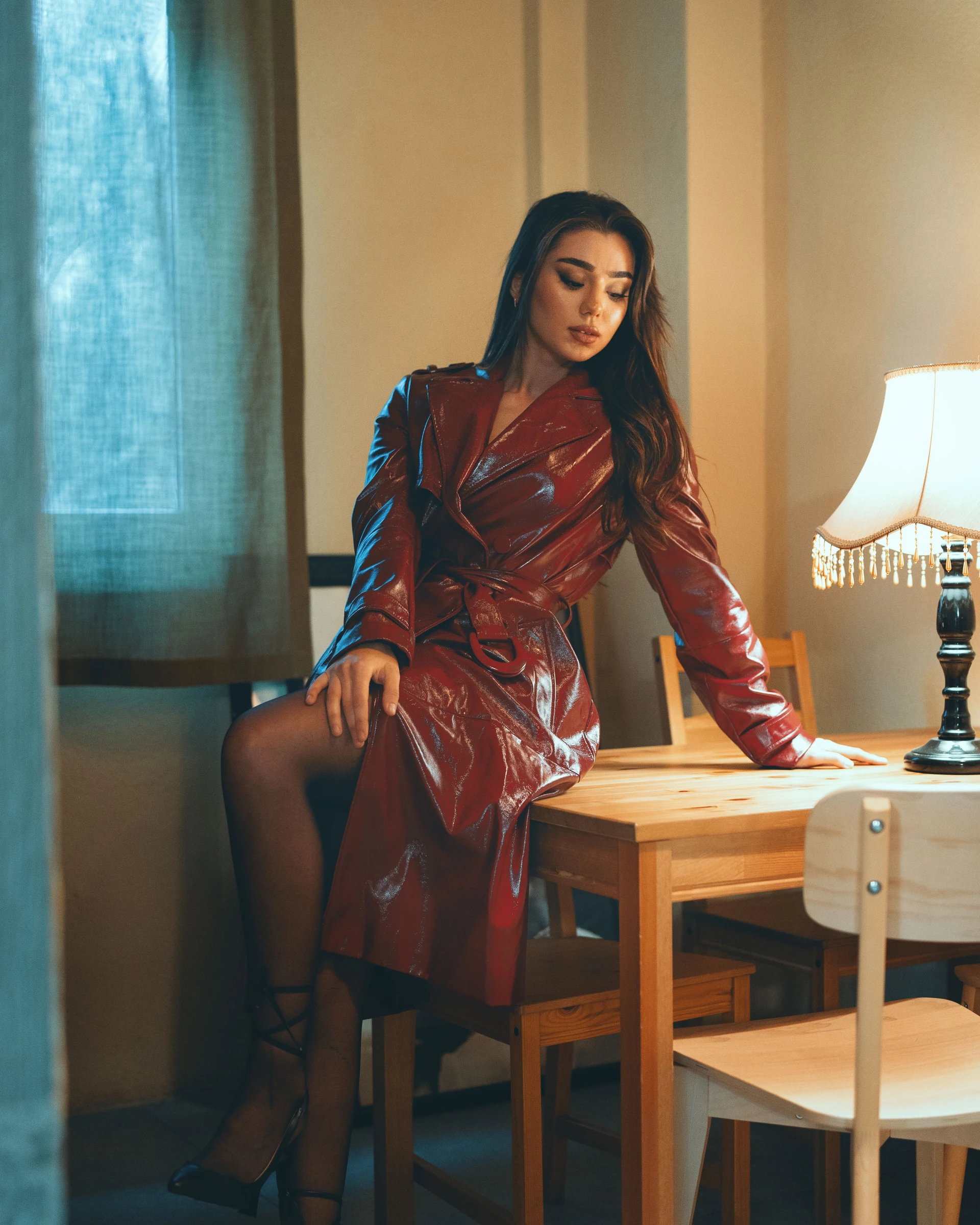
Sitting poses are among the hardest to photograph because the seated body naturally compresses and spreads. The solutions are consistent: sit on the edge of surfaces (not fully back), cross at the ankle not the knee, and always lean slightly forward from the hips.
Avoid: Sitting fully back in a chair (compresses posture). Letting the thighs spread flat on the seat (widens significantly). Looking down at your lap — always direct the gaze toward the camera or a fixed off-camera point.
View All Sitting Poses →Recline, kneel, cross-legged & editorial
Floor poses are among the most editorial and dramatic, but also the most physically demanding to hold. The key is settling into the pose fully before the shot — any tension in the body reads immediately on camera. Floor poses also require the most attention to fabric management for Indian ethnic wear.
Avoid: Lying fully flat on the back (rarely flatters in a fashion context). Letting the stomach compress visibly when reclining — propping on an arm or adjusting the hip position mitigates this. Unsupported head positions that require visible neck tension.
View All Floor Poses →Duo, trio and group photography
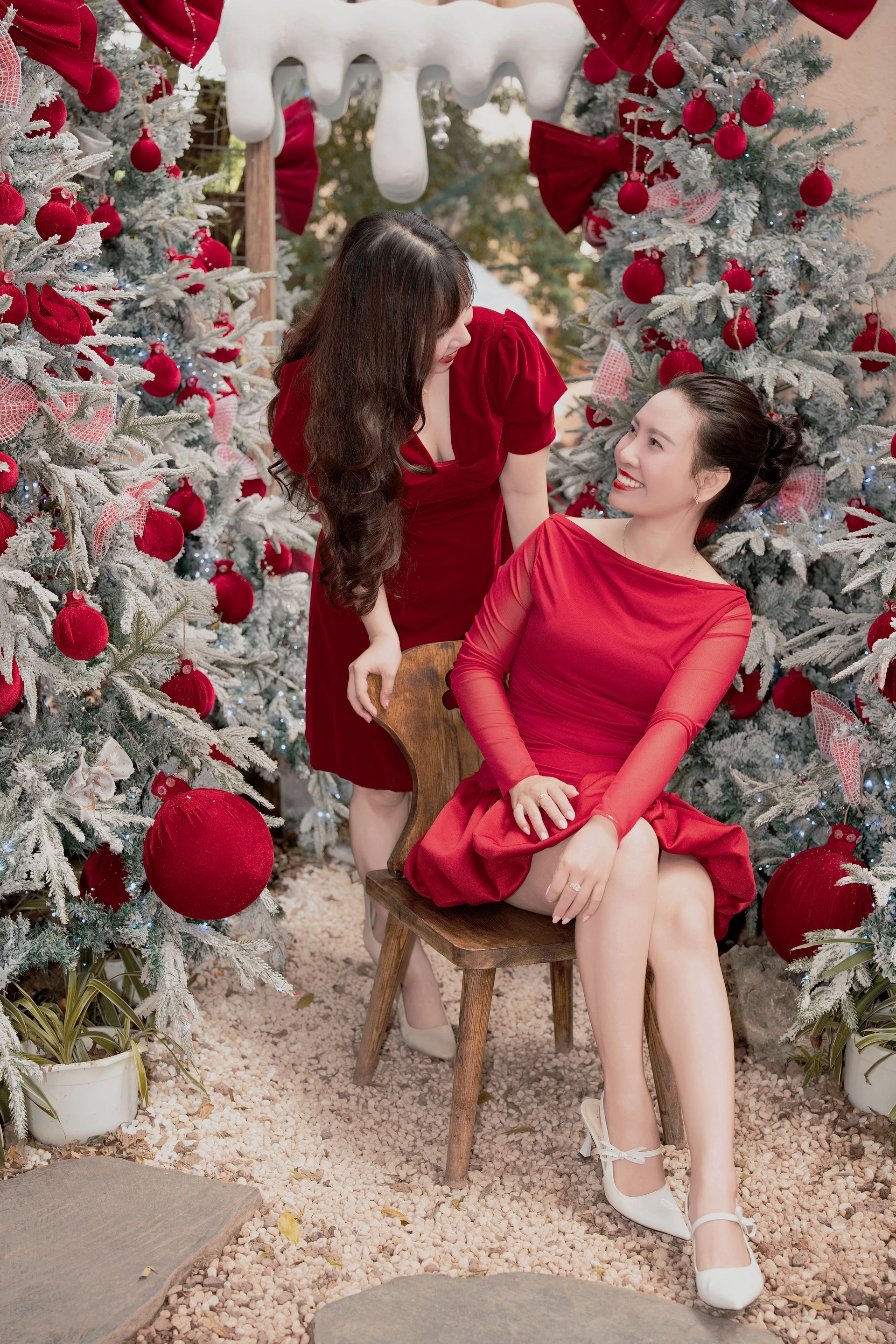
Group photos have one consistent failure mode: everyone stands at the same height in a straight line. Staggering heights, overlapping slightly, and creating triangular rather than horizontal compositions transforms a flat group shot into a dynamic image.
Avoid: Straight horizontal lines of same-height people. Large physical gaps between subjects. Everyone looking at the camera in an identical, rigid stance — vary at least one or two people (a laugh, a glance at each other).
View All Group Poses →Getting better shots without a professional setup
Phone photography has closed most of the gap between amateur and professional for social content — the limiting factor is now technique, not equipment. The four variables that matter most: light quality, camera angle, lens selection (front vs rear), and timing (number of frames shot).
Avoid: Shooting with the front camera for fashion content. Camera positioned at or below hip level. Shooting directly into the sun or a light source behind the subject. Shooting a single frame and hoping it's perfect — shoot 15–20 and select.
View All Phone Photography →Turn 45 degrees to the camera. Put one hand on your hip to create a gap between your arm and waist. Ensure the camera is at eye level or slightly above. Wear vertical lines or a single colour from top to bottom.
The most reliable: the three-quarter turn with one hand in the hair, the weight-shift with a hand on the hip, walking-toward-camera with natural arm swing, looking 45° off-axis, and the candid-laugh pose.
Vary the arm positions every 5–10 frames. Keep the body at a slight angle to the light source. For portraits, chin forward (not up) — this defines the jaw and avoids the double-chin effect.
Sit on the edge of surfaces (not fully back). Cross at the ankles, not the knees. Lean slightly forward from the hips. For Indian ethnic wear, manage the fabric before settling into the pose.
Use the rear camera. Set it at chest height or above. Shoot in natural window light or open shade — light source in front, not behind. Shoot 15–20 frames and select rather than hoping for one perfect shot.
Hourglass, pear, apple, petite, plus-size — outfit formulas for every frame.
Wedding, festival, office, and casual — the complete occasion decoder.
Foundation matching, bridal glam, and glass-skin for Indian skin tones.
Curated Indian and Western looks with body type and occasion notes.